
8 Min. ReadSo, you’ve got leads coming in, crews ready to work, and clients excited to move forward on their outdoor living projects—but there’s a bottleneck.
Clients bring ideas, inspiration photos, and big expectations…but no clear plan. Your team ends up spending valuable time trying to interpret vision, piece together concepts, and guide decisions before a shovel even hits the ground.
Sound familiar?
This stage of a project—where ideas exist but lack clarity—is often the most time-consuming and inefficient part of the process for contractors. It should be the most exciting part. Instead, it can slow down your pipeline, create miscommunication, and impact profitability.
Enter the landscape designer.
What Does a Landscape Designer Do for Contractors?
By definition, landscape design “is the analysis, planning, and design of exterior living spaces.”
But from a contractor’s perspective, it’s much more than that.
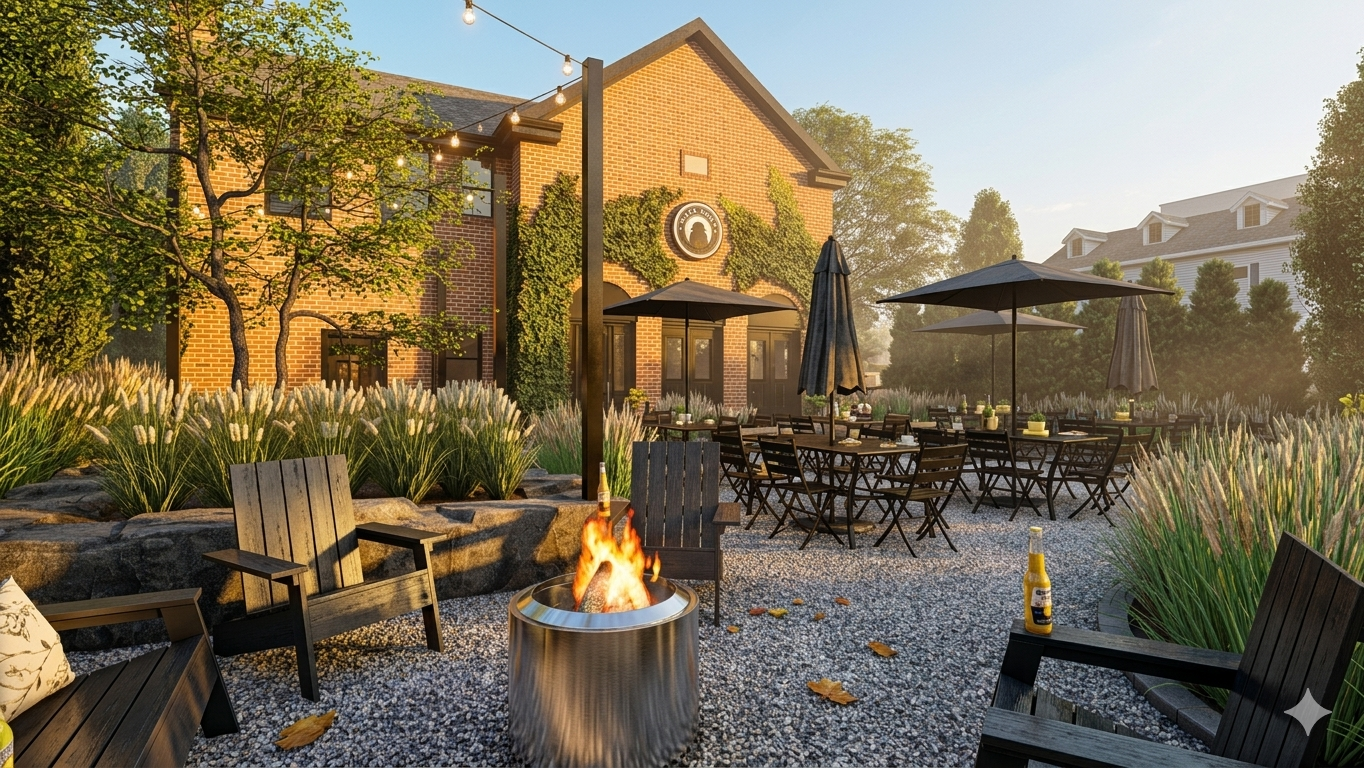
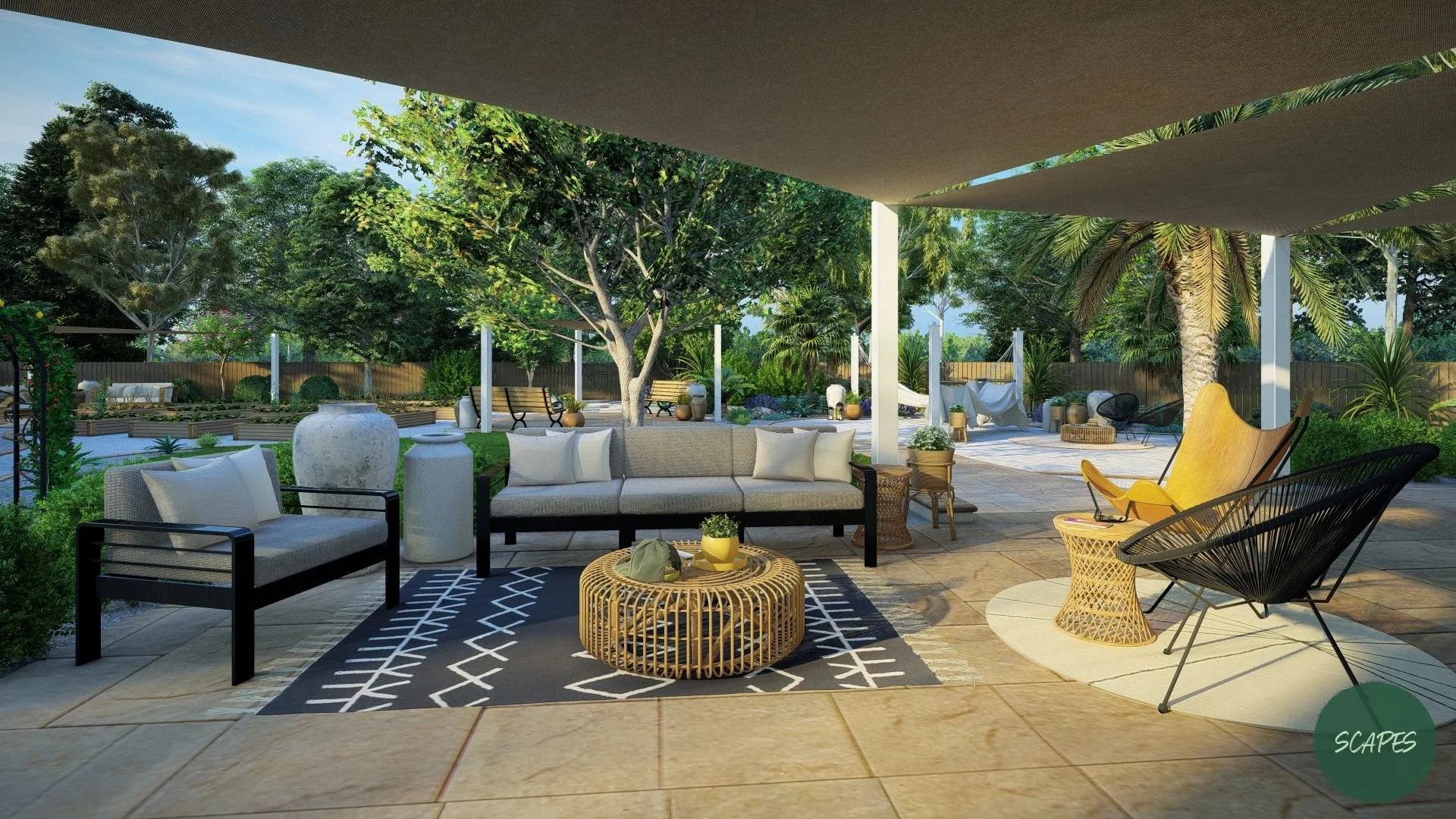
A landscape designer acts as a pre-construction partner—transforming scattered ideas into a clear, buildable plan that aligns with both the client’s vision and your execution capabilities. At SCAPES, we have firm belief that at their core, landscape designs are a sales tool first and foremost.
A strong landscape design:
Defines layout, flow, and spatial use
Balances function and aesthetic
Provides a visual roadmap for installation
Eliminates ambiguity before construction begins
Function in a design is typically straightforward. If a patio is sized correctly for entertaining, it works.
Aesthetic, however, is where projects are won or lost.
With thousands of material options and endless inspiration online, clients often struggle to make cohesive decisions. That’s where design becomes invaluable—not just for the client experience, but for your business efficiency.
A landscape designer helps clarify direction, ensuring the project is both buildable and visually compelling—before your team ever mobilizes.
What Does a Landscape Designer NOT Do?
It’s important to understand the role boundaries.
Landscape designers typically provide conceptual renderings, not engineered construction documents. Their work is meant to guide vision and execution—not replace stamped drawings when required.
For projects involving:
Retaining walls
Decks
Pools
Structural elements
Input from an engineer is still needed to see the project through permitting and installation, but only after the sale is made—and this is where designers shine!
Once the design phase is complete and construction begins, the designer’s role often transitions to support—answering questions, refining details, or assisting with adjustments as needed.
For contractors, this means:
You have the tools needed to be in the best position possible to close the sale
You retain control of the build
You reduce pre-construction guesswork
You operate with a clear plan
Landscape Designer vs. Landscape Architect: What Contractors Need to Know
Understanding the difference helps you deploy the right resource for the right job.
Landscape architecture focuses on:
Large-scale planning
Infrastructure integration
Engineering and compliance
Landscape design focuses on:
Residential and light commercial projects
Aesthetic and functional layout
Client-facing visualization
For most residential landscape contractors, a landscape designer is the more practical, cost-effective partner.
There are situations where both professionals collaborate—but in most day-to-day projects, designers provide the speed and flexibility contractors need to keep jobs moving.
Why Contractors Should Use Landscape Design Services
The question isn’t just what a landscape designer does—it’s how it impacts your business.
Here are the key advantages:
1. Increase Close Rates and Project Size
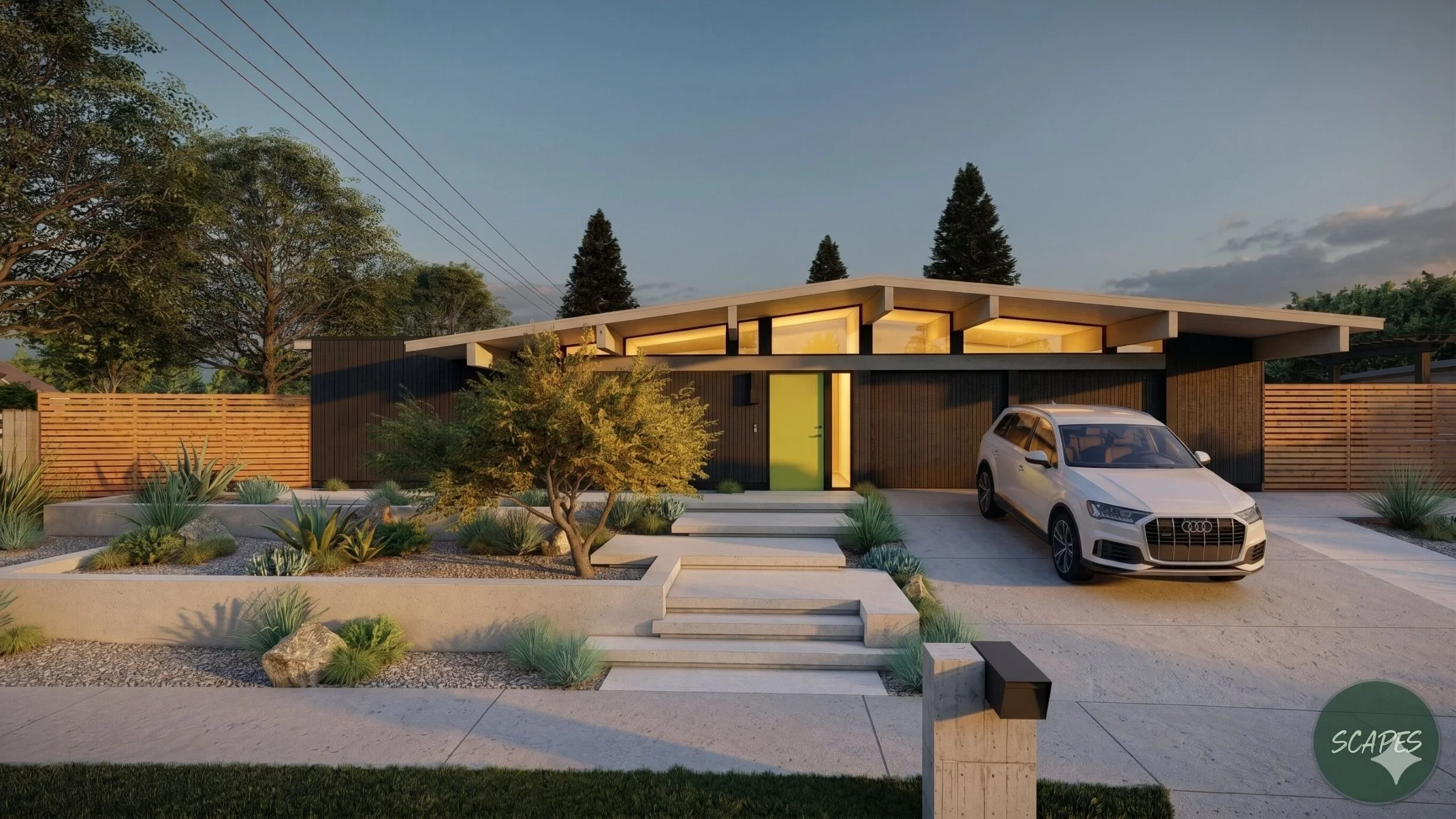
Clear, professional designs help clients visualize the end result—which makes them more confident saying yes.
Instead of selling an idea, you’re presenting a finished vision.
This often leads to:
Faster decision-making
Higher close rates
Larger project scopes
2. Improve Profit Margins
Design eliminates costly guesswork.
When projects are clearly defined upfront:
Material quantities are more accurate
Labor is more predictable
Change orders are reduced
Additionally, designers can value-engineer solutions—helping you hit client budgets without sacrificing quality.
3. Reduce Time Spent on Pre-Construction
Without a design, your team often becomes the designer by default.
That means:
Endless revisions
Back-and-forth communication
Time lost in planning instead of building
With a landscape design in place, you can:
Streamline client onboarding
Move faster to contract
Keep your pipeline flowing
4. Minimize Mistakes and Rework
Experienced landscape designers bring industry knowledge that helps avoid common pitfalls:
Poor drainage planning
Inefficient layouts
Incorrect plant selection
Material mismatches
This reduces:
Jobsite issues
Callbacks
Warranty headaches
5. Deliver a Better End Product (and Get More Referrals)
A well-designed project doesn’t just function—it stands out.
Better design leads to:
Stronger visual impact
Happier clients
More referrals and repeat business
In a competitive market, design can be the difference between being “another contractor” and becoming the go-to expert.
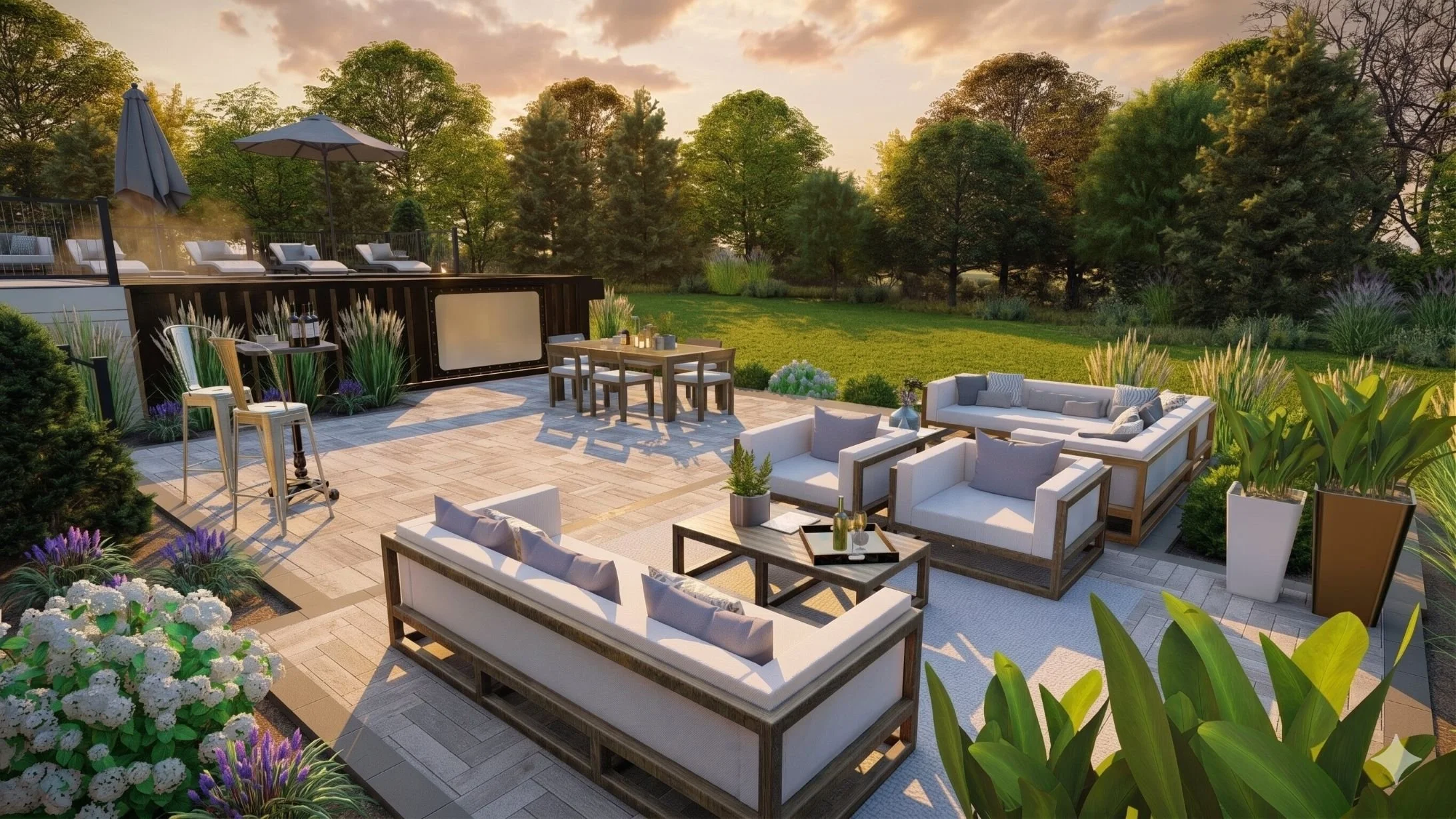
Key Elements of a Landscape Design (Through a Contractor Lens)
Understanding what goes into a design helps you better communicate value to your clients.
1. Landscaping
A fundamental aspect of landscape design is blending nature with a constructed environment, and landscaping is the best way to achieve this. Sometimes overlooked or undervalued in a design, plants can help soften a space or block unwanted views. When designed properly, a landscape should be low-maintenance and add four-seasons of interest to the space – top-tier landscape designs achieve these characteristics while using a native plant palette.
2. Hardscaping
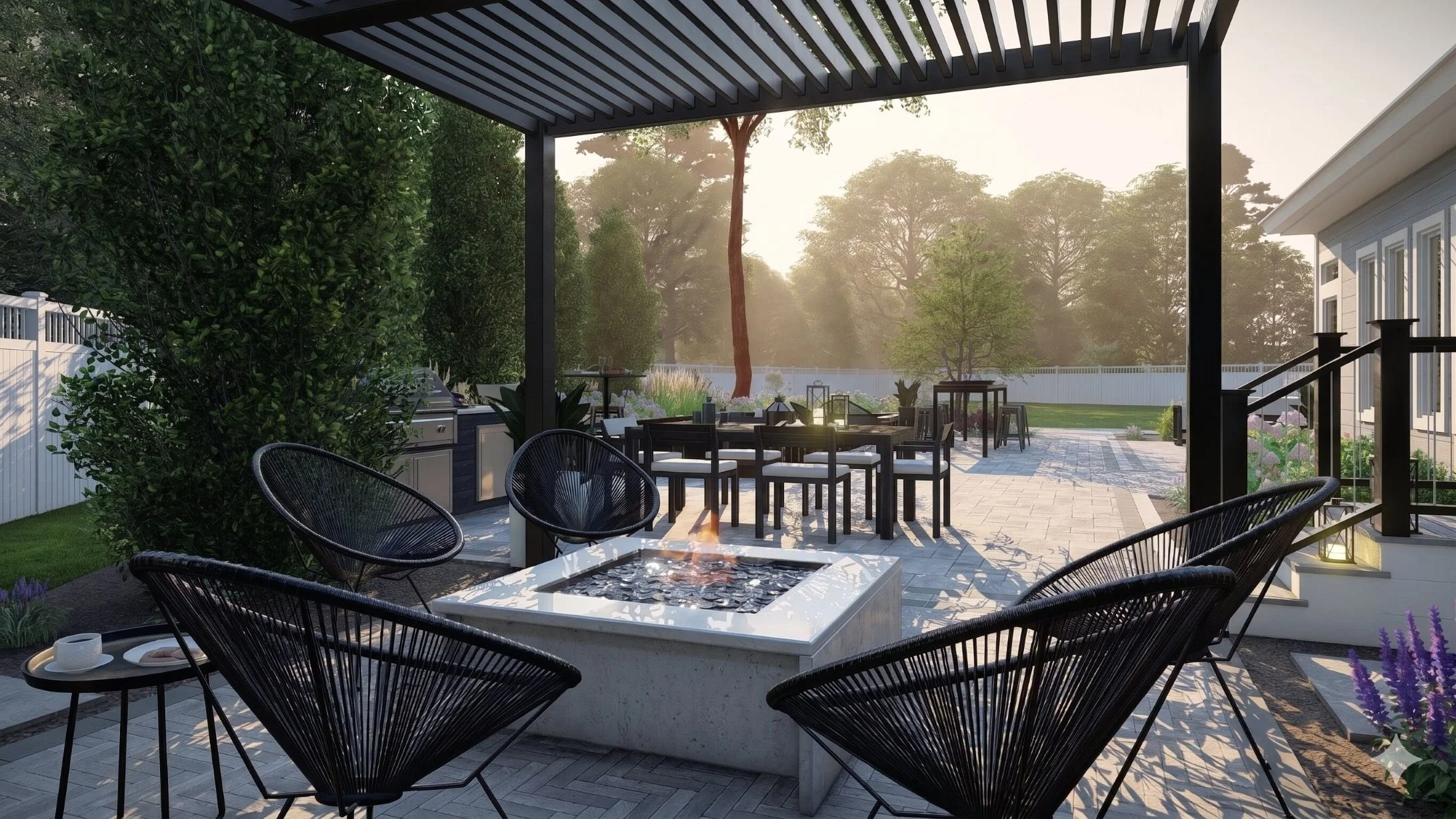
Patio and walkway features of a landscape design are commonly referred to as the hardscape elements. These are the backbone of the functionality aspect of many designs and, when integrated appropriately into a design, can have a very high return on investment. For larger scope outdoor living projects, outdoor kitchens typically fall under the hardscape category.
3. Landscape Lighting
Introducing low-voltage landscape lighting to an outdoor living project is one of the most valuable additions to a project. It not only increases the usability of the space in the nighttime hours, but it also adds safety. Lighting a front yard landscape can help deter burglars and clearly define entryways for guests arriving during darkness. Lighting a backyard outdoor living space increases the entertainment value and can help add safety by lighting areas such as steps.
4. Structures
We typically lump elements such as decks, pavilions, pergolas, or gazebos into a “structures” category. These are value-add features of a design that are typically incorporated to increase the entertainment value or overall usability of a space. Technology has come a long way and new materials are constantly being introduced to lengthen the lifespan of these features compared to wood and they can be just the thing to add final touch on an outdoor living project.
5. Water Features
Many different types of water features can be included in a landscape design. They can be smaller, pondless elements like a bubbling boulder, or more elaborate ponds and streams. Regardless of their shape and size, water features can be a valuable addition to a space for their calming sound.
6. Swimming Pools
In a category separate from the rest of the water features are pools. They come in all shapes and sizes and three main construction materials – gunite, fiberglass, and vinyl liner. Pools can be a fantastic addition to keep a family entertained, or designed in a more intimate manner like a cocktail pool geared towards an adult crowd.
Where Should Contractors Find a Landscape Designer?
The right design partner can transform your workflow.
Look for a landscape designer who:
Understands construction realities
Designs with buildability in mind
Communicates clearly with both you and your client
Works efficiently to keep projects moving
If you’ve already found a reliable design partner, you know the impact.
If not, integrating landscape design into your process could be one of the most valuable upgrades you make to your business—and we’re here whenever you’re ready to see what this could look like for your company.
Recap
At the end of the day, landscape design isn’t just about creating beautiful outdoor spaces—it’s about creating better projects, better workflows, and better business outcomes.
For contractors, it means:
Closing more jobs
Increasing profitability
Reducing stress
Delivering higher-quality work
And ultimately, building a business that runs smoother—and scales faster.
About the Author
With a diverse background as an owner of both a landscape design/build business and landscape maintenance operation as well as a formal education in Landscape Design from Penn State, Kevin now spends his days helping SCAPES lead the charge in the internet landscape design space. The classic kid-mowing-lawns story turned into a passion for the landscape profession for Kevin, and you may even hear him tell you that landscaping is about all he is good for! Have a question about something you just read? Reach out to Kevin directly at kevin@scapesdesigns.com and he will undoubtedly prove how serious SCAPES is about delivering a delightfully personal experience.
