
SCAPES FIELD NOTES
SCAPES FIELD NOTES
Where better landscapes—and better businesses—take shape.
Landscape Design, Rendering & Outdoor Living Industry Insights
The SCAPES blog is built specifically for landscape contractors, outdoor living companies, and design professionals looking to improve presentation quality, increase project sales, streamline operations, and stay ahead of industry trends.
Inside our blog, we cover everything from landscape design software comparisons and rendering workflows to sales strategies, construction documentation, outdoor lighting, AI in landscape design, project presentation techniques, and business growth systems for modern landscape companies.
Whether you’re trying to improve client presentations, create more realistic renderings, increase project sizes, understand emerging AI tools, or optimize your design process, our content is designed to provide practical insights that can be applied directly to real-world landscape projects and business operations.
Great landscape projects don’t start with products or pricing — they start with better ideas, clearer communication, and stronger design presentation.

How Much to Charge for Landscape Designs: A Complete Pricing Guide for Landscape Professionals
Many landscape contractors struggle with one question: How much should I charge for a landscape design?
The reality is that landscape design pricing isn't simply about putting a number on a drawing. It's about understanding the value of your ideas, creating commitment from homeowners, and building a process that is both profitable and scalable. The right pricing strategy can help filter out tire kickers, improve close rates, and even turn design into a meaningful revenue stream for your business.
Bottom line: determining how much to charge for landscape designs isn't about finding a magic number—it's about creating a pricing structure that reflects your expertise, positions you as a professional, and helps you build a more profitable landscape company.

Why Charging for Landscape Designs Is the Biggest Opportunity Most Landscape Contractors Are Missing
Most landscape contractors think charging for design work creates friction in the sales process—but in reality, it often does the exact opposite.
When homeowners sign a design agreement and invest financially into the planning phase, trust is established earlier, commitment increases, and the contractor gains significantly more control over the sales process. Instead of competing against endless free proposals, contractors position themselves as professionals delivering a structured, high-value experience.
Bottom line: charging for landscape designs isn’t just about getting paid for drawings—it’s one of the most effective ways to improve close rates, qualify serious buyers, and build a more profitable landscape business.

Stop Calling It an “Estimate”: Why the Landscape Industry Should Commit to Proposals Instead
Many landscape contractors still use the word “estimate”—but the problem is that estimates imply uncertainty, changing costs, and incomplete planning from the very beginning.
Professional proposals backed by accurate design, defined scope, and thorough project development help reduce change orders, improve homeowner confidence, and create a more transparent sales experience that positions contractors as true professionals instead of just installers.
Bottom line: better project planning doesn’t just improve presentation—it creates more accurate pricing, smoother construction, and a better experience for both the contractor and the homeowner.

Top 3 SketchUp Rendering Enhancements for Landscape Design - 2026
Most landscape contractors assume rendering software is only about making designs “look better”—but in reality, the right rendering workflow can dramatically impact sales presentations, revision speed, client communication, and overall design efficiency.
Some rendering platforms prioritize maximum photorealism, while others focus on real-time workflow speed, live walkthroughs, or ease of use. The best rendering software depends heavily on how your company designs, presents projects, and manages revisions throughout the sales process.
Bottom line: there is no universally “best” rendering platform for every landscape company. The most effective workflows combine rendering quality, speed, and usability in a way that helps contractors communicate ideas more clearly, sell projects more effectively, and scale design production as demand grows.

The 6 Best Landscape Design Software’s - 2026
Most landscape contractors assume the “best” software is simply the one with the most advanced features—but in reality, the best landscape design software depends entirely on your workflow, project type, and business model.
Some platforms prioritize speed and simplicity for fast sales concepts, while others focus on technical construction drawings, photorealistic rendering, or large-scale site design. The right software can dramatically improve presentation quality, design efficiency, client communication, and overall production capacity.
Bottom line: there is no one-size-fits-all landscape design software. The most successful landscape companies build workflows around the tools that help them design faster, communicate more clearly, and scale more efficiently as projects and demand grow.

The Growing Talent Shortage in Landscape Design: Why Finding Great Designers Is Becoming Increasingly Difficult
The landscape industry is facing a growing shortage of qualified designers just as demand for outdoor living projects continues to surge—and contractors are left to solve the problem.
Landscape companies across the country are struggling to hire experienced designers who can create professional plans, communicate with clients, and keep projects moving efficiently. As hiring becomes more competitive and expensive, many firms are finding it harder to scale their sales and production capacity.
Bottom line: the talent shortage is no longer a temporary hiring issue—it’s becoming a major growth challenge for the industry.

In-House Landscape Designer vs. Outsourcing Design: Which Makes More Financial Sense for Contractors?
Most landscape companies assume hiring an in-house designer is the next step toward growth—but the real costs often extend far beyond salary alone.
Outsourced landscape design gives contractors scalable production capacity, faster turnaround times, and professional design support without the burden of year-round payroll, benefits, recruiting, and seasonal overhead. Instead of being limited by one employee’s workload, companies can scale design capacity as demand increases.
Bottom line: outsourcing design isn’t just about saving money—it’s a more flexible and efficient model that helps landscape contractors grow faster, operate leaner, and stay competitive during peak season.

Turning $25K Landscape Projects Into $100K Outdoor Living Transformations with Powerful Design
Many landscape contractors leave money on the table by only pricing the project the homeowner originally asks for—but there is an easy solution.
The most profitable contractors know how to turn a $25K project into a $100K outdoor living transformation through smart design. When homeowners can clearly see the full potential of their property, they naturally become more invested in creating a complete outdoor experience.
Bottom line: Bigger projects are rarely about selling harder—they come from helping clients see a larger vision that creates more value, functionality, and impact for their home.

The Role of AI in Landscape Design: Useful Tool or Overhyped Shortcut?
AI is changing how landscape design looks—but not how it works.
AI tools can generate fast, visually appealing concepts, but they often miss the real-world details that make a design buildable—like grading, materials, and constructability. That’s where experienced designers still make the difference.
Bottom line: AI can enhance the presentation, but it can’t replace thoughtful, build-ready design that helps contractors close projects and execute them with confidence.

How to Increase Your Average Landscape Project Size Without Hiring More Staff
Landscape businesses don’t hit growth ceilings because of a lack of demand—they get stuck doing too many small jobs.
Expanding your average project size starts with better design, clearer presentation, and a more strategic sales process—helping you turn simple installs into full outdoor living environments that clients are excited to invest in.
Bottom line: increasing project size isn’t about adding more work—it’s about doing smarter work that drives more revenue with the same team.

From Lead to Signed Contract: A Better Sales Process for Landscape Contractors
Landscape jobs are rarely lost because of poor execution—they fall apart somewhere between initial interest and a signed contract.
A structured sales process—built around clear conversations, professional design, and confident pricing—helps you guide leads from interest to commitment, reducing confusion, speeding up decisions, and improving close rates across everyday projects.
Bottom line: a repeatable, design-driven sales system isn’t just about organization—it’s a competitive advantage that helps you close more jobs, increase project size, and run a more predictable business.

Why Remote Landscape Design Services Help Contractors Win More Jobs (and Scale Faster)
Growth in most landscape businesses doesn’t stall in the field—they hit it because their process can’t keep up with demand.
Remote landscape design services deliver clear, sellable, and buildable plans—complete with visuals, layouts, and material clarity—so you can respond faster, present more professionally, and move projects from idea to contract without bottlenecks.
Bottom line: a remote design partner isn’t just support—it’s a scalable system that helps you win more jobs and run a more efficient business.

How Landscape Designers Help Contractors Win More Jobs
Most landscaping projects and landscape companies don’t fail in the field—they slow down before they ever start.
Landscape designers create clear, sellable, and buildable plans—defining layouts, materials, and flow—so you can close sales faster, reduce back-and-forth, and execute efficiently on everyday residential projects.
Bottom line: strong, build-ready design isn’t a luxury—it’s a competitive advantage that helps you close more jobs and build them better.

Landscape Designer vs. Landscape Architect – What’s the Difference?
For most projects, the question is simple: Do you actually need an architect?
Landscape designers create buildable layouts—patios, plantings, and overall flow—helping you sell faster and execute efficiently on typical residential jobs. Landscape architects are better suited for large-scale commercial planning.
Bottom line: most jobs don’t require an architect—just a strong, build-ready design.
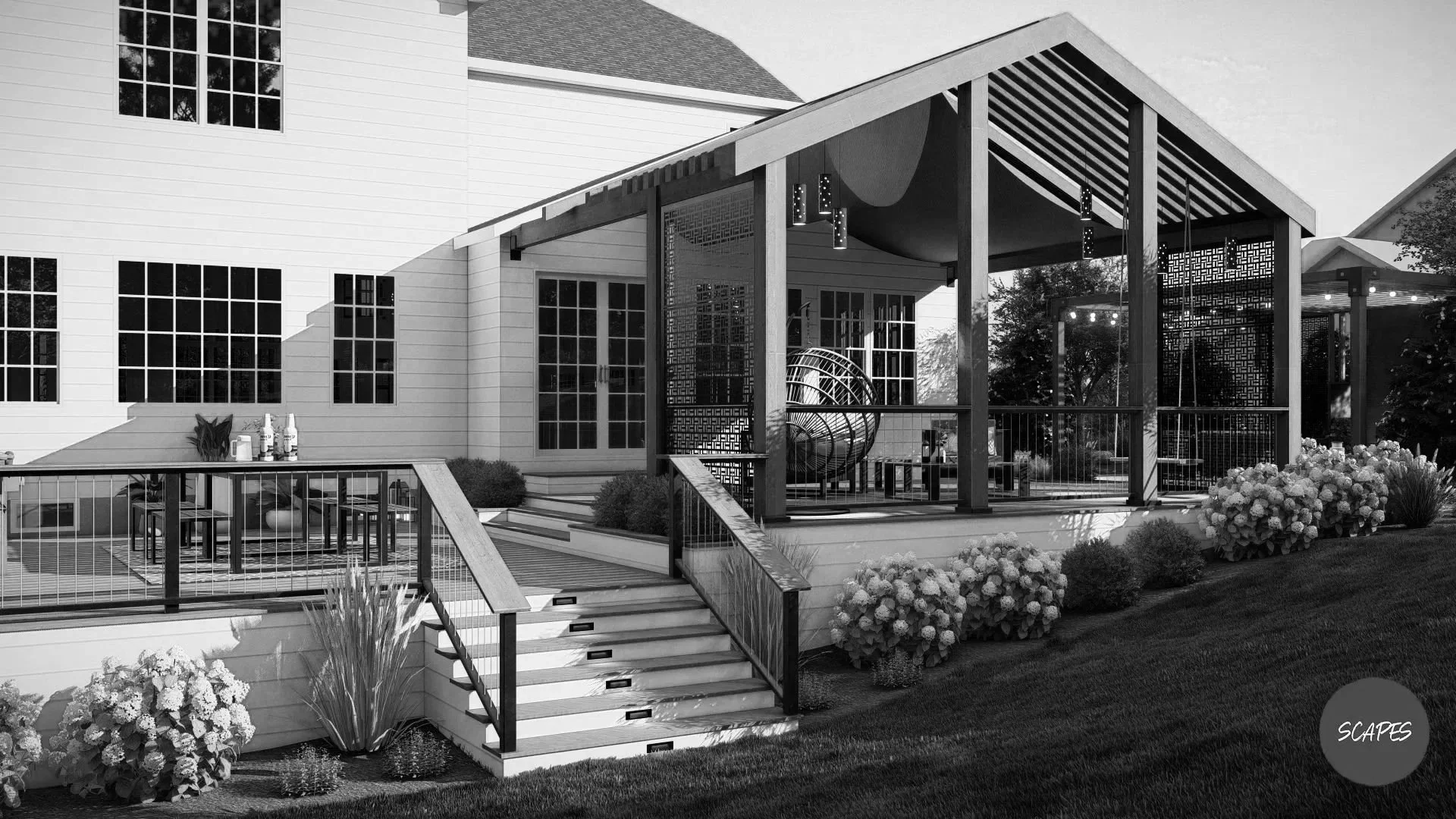
Flexible, Affordable Landscape Designs
Get ready to win more jobs with designs that sell. We’re confident our work—built around your workflow and your client’s vision—will help you present with clarity, price with confidence, and close faster.