
9 Min. ReadFor most landscape contractors, growth feels like it comes with a catch:
more revenue = more staff, more overhead, and more complexity.
But that’s not always true.
Some of the most efficient and profitable landscape companies aren’t doing more jobs—they’re doing better jobs. Higher-value projects. Larger scopes. More complete outdoor living environments.
The shift isn’t about working harder.
It’s about increasing your average project size.
Because when you can turn a $15,000 project into a $35,000 project using the same crew, your margins expand, your schedule stabilizes, and your business becomes far more scalable.
Here’s how to make that shift—without hiring a single additional employee.
Why Average Project Size Matters More Than Lead Volume
Most contractors focus on getting more leads. But there’s a ceiling to that strategy.
More leads = more estimating time
More jobs = more scheduling complexity
More clients = more communication overhead
Increasing project size solves all three.
Example:
20 projects × $15,000 = $300,000
10 projects × $30,000 = $300,000
Same revenue. Half the jobs. Half the chaos.
And typically—higher profit margins.
10 Strategies to Close Higher Ticket Installs
Add these tools to your sales tool-box and watch your business grow:
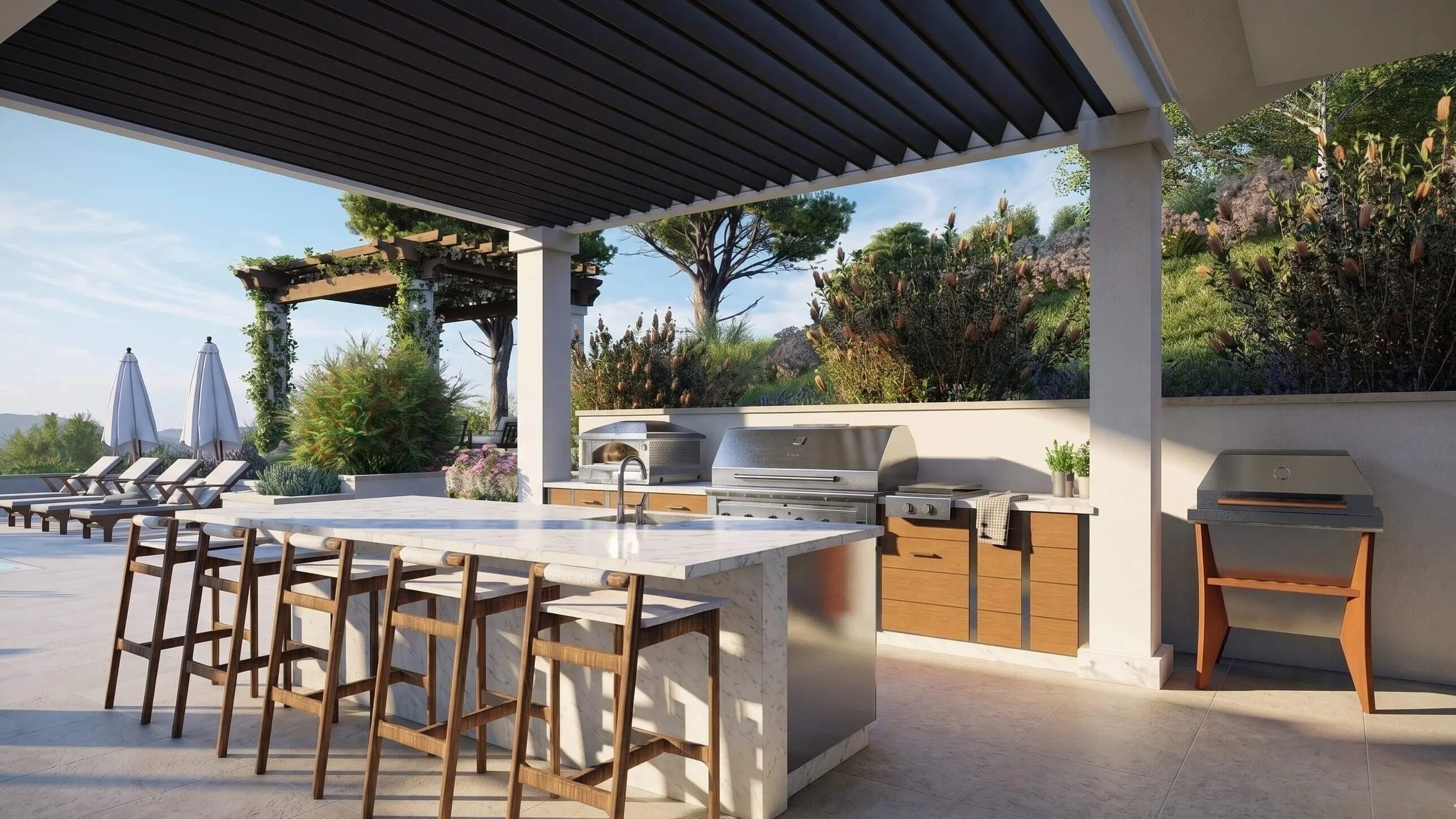
1. Stop Selling “Projects”—Start Selling Complete Outdoor Spaces
Smaller projects happen when you let the client define the scope.
“We just want a patio.”
“We just need a walkway.”
That’s where most contractors stop.
But homeowners don’t think in scopes—they think in experiences.
The shift:
Instead of selling:
A patio
A fire pit
A few plantings
You sell:
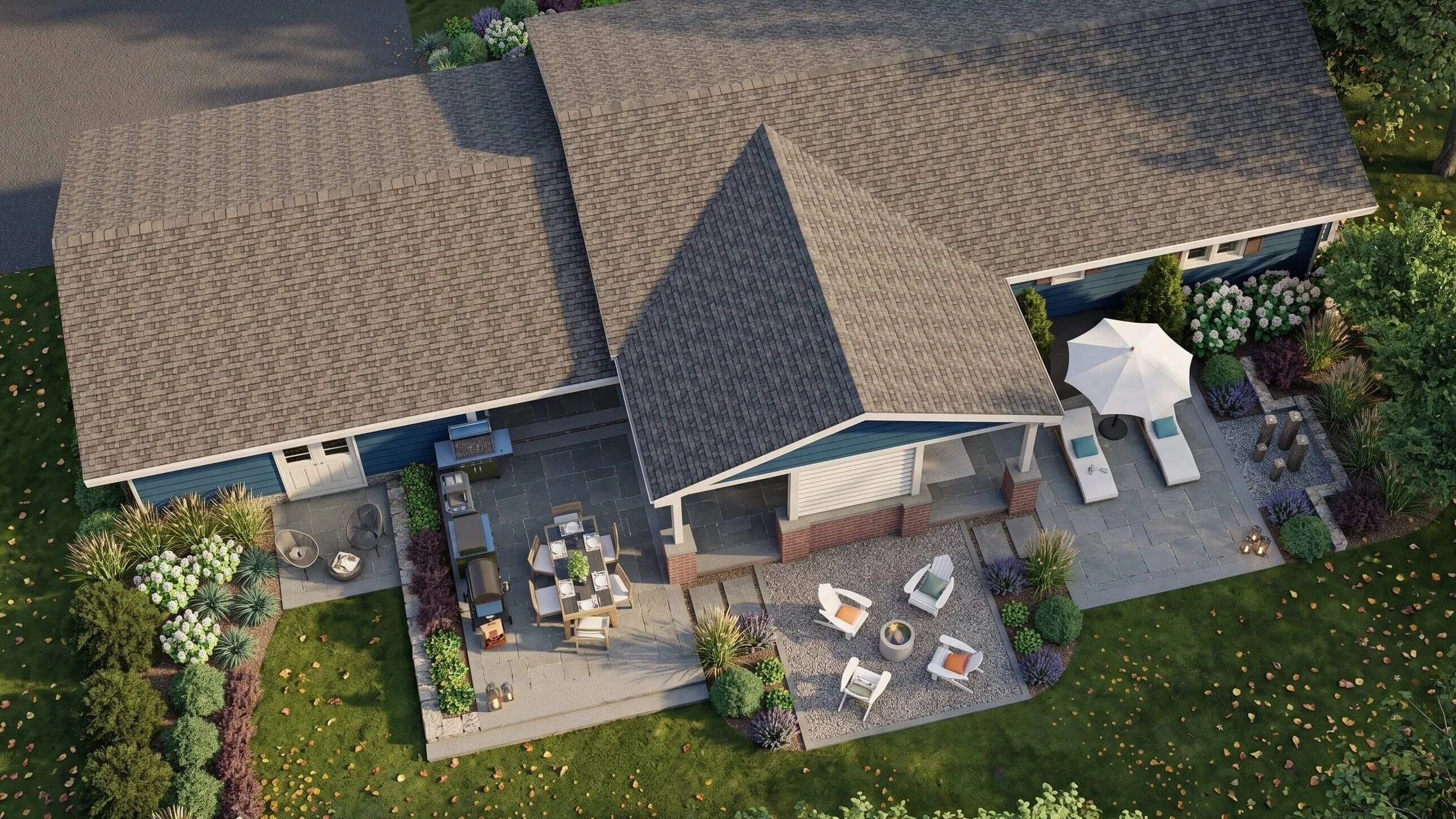
A complete outdoor living environment
What this looks like:
Patio + seating areas
Fire feature + lighting
Plantings + privacy screening
Circulation and flow between spaces
When you present the project this way, the budget naturally expands—because the vision expands.
2. Use Design to Expand Scope (Without Feeling Salesy)
This is where most contractors leave money on the table.
If your process is:
Meet client
Discuss needs
Price what they asked for
You’re limiting every project before it starts.
Instead:
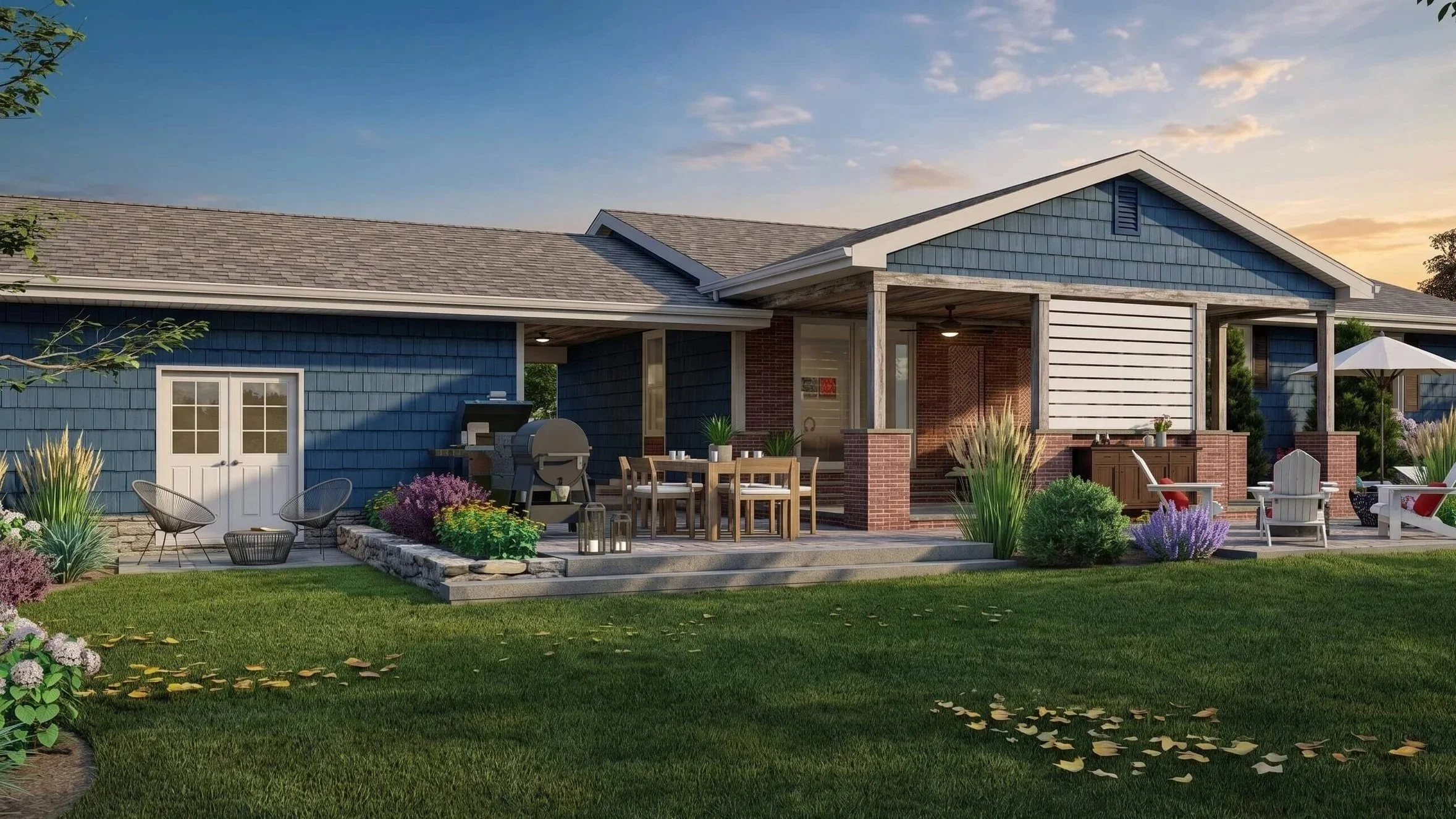
Use design to show possibilities the client didn’t know existed.
When clients can see:
Expanded layouts
Additional features
Better flow and usability
They’re far more likely to say:
“Let’s just do it all at once.”
Why this works:
It removes guesswork
It builds confidence
It justifies higher investment
This is exactly where a structured design process (like SCAPES) becomes a revenue driver—not just a visual tool.
3. Build “Good, Better, Best” Options Into Every Proposal
If you’re only presenting one price, you’re capping your own upside.
Instead, structure proposals like this:
Option 1 – Core Project (What they asked for)
Basic patio, minimal scope
Option 2 – Enhanced Experience (Recommended)
Adds lighting, plantings, seating areas
Option 3 – Full Outdoor Living Package (Ideal)
Includes everything: fire feature, kitchen, pergola, etc.
What happens in real life:
Few clients pick the cheapest
Many pick the middle
Some go all-in
But almost everyone spends more than they originally planned.
4. Bundle High-Margin Add-Ons That Increase Perceived Value
You don’t need more labor—you need smarter scope.
High-margin add-ons are your best friend:
Examples:
Landscape lighting
Planting packages
Drainage solutions
Outdoor audio
Low-maintenance upgrades
These often:
Require minimal additional labor
Carry strong margins
Significantly improve the final result
Positioning matters:
Don’t present them as “extras.”
Present them as:
“What makes the space complete.”
5. Improve How You Present Projects
Even great ideas fall flat with poor presentation.
If you’re:
Emailing rough sketches
Talking through ideas verbally
Sending line-item estimates
You’re making it harder for clients to say yes.
Upgrade your presentation:
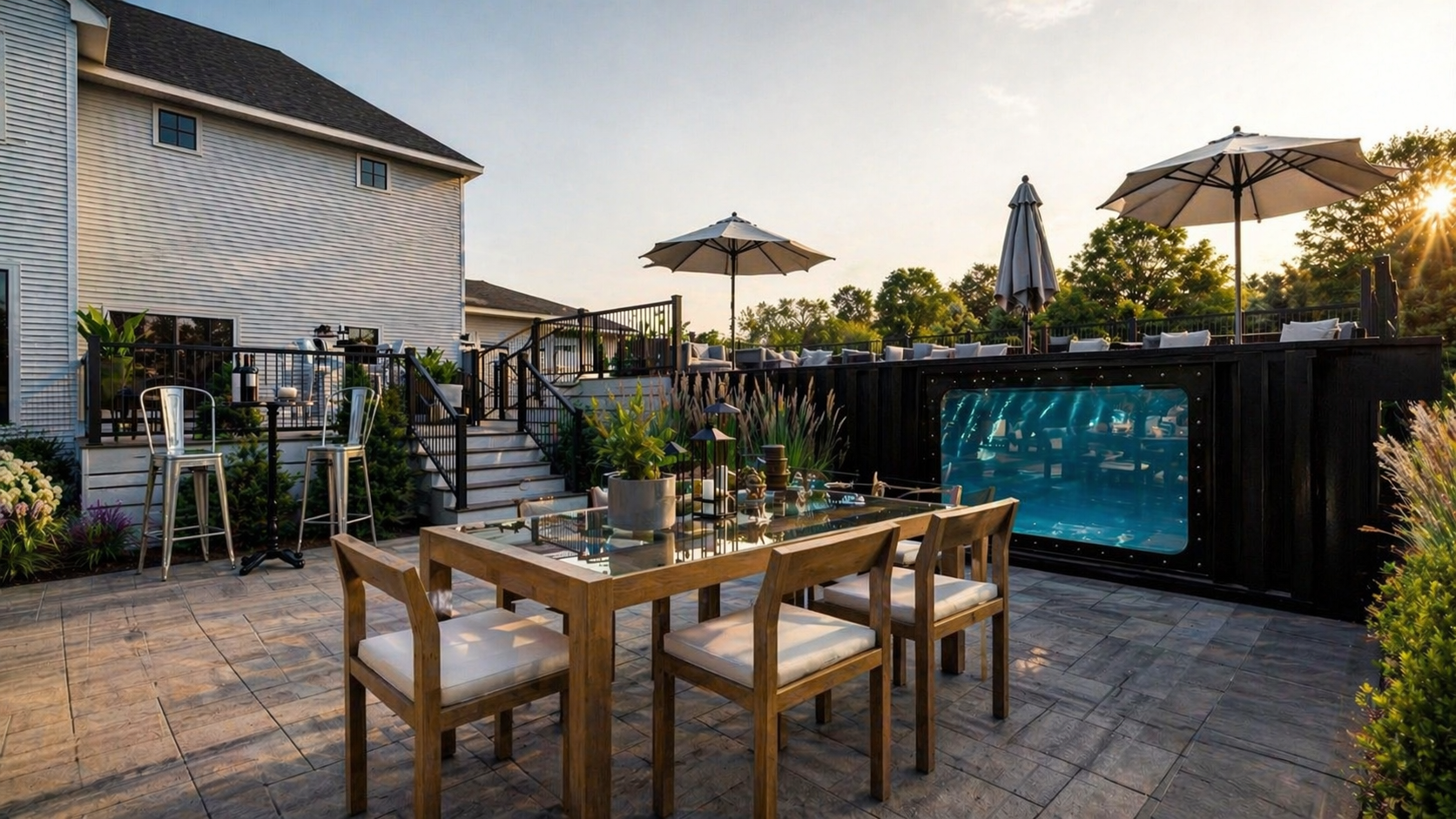
Use visual layouts
Show phased vs. full builds
Walk through the experience
The goal:
Make the client feel like:
“This is exactly what I want—and I can see it.”
Clarity = confidence
Confidence = larger budgets
6. Reduce “Phase 2” Thinking (It Rarely Happens)
Clients love saying:
“Let’s just do Phase 1 now.”
In reality:
Phase 2 often never happens
Or goes to a different contractor
Or gets scaled down later
Instead:
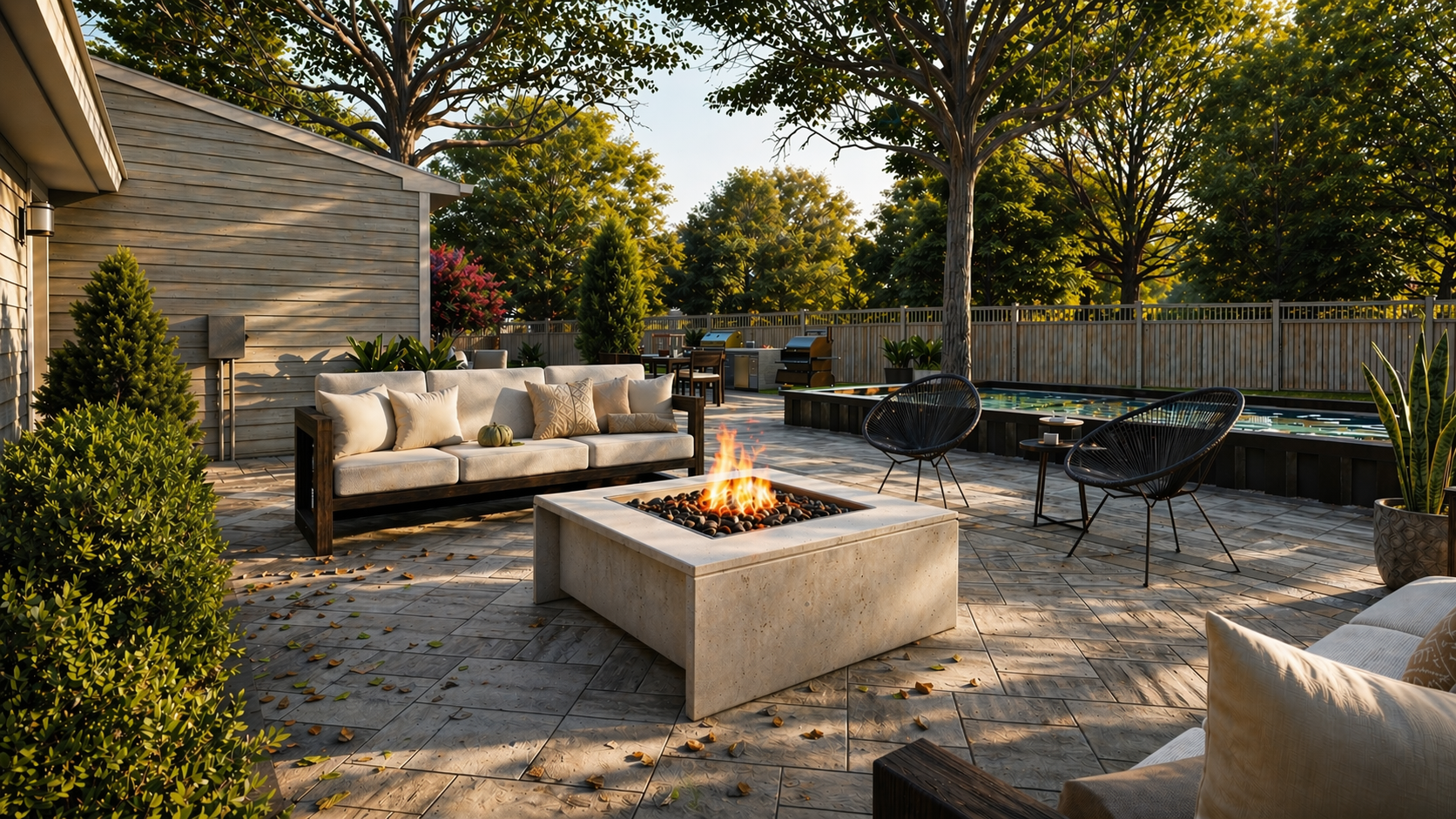
Design and present the full vision upfront.
Even if they phase it:
You anchor the total project value
You increase the chance they expand scope now
7. Pre-Qualify for Bigger Budgets Early
Not every client is a fit for larger projects—and that’s okay.
But you should know early.
Ask better questions:
“What kind of investment range were you considering?”
“Are you looking for a quick upgrade or a full transformation?”
“Do you want to do this in phases or all at once?”
This helps you:
Focus time on higher-value opportunities
Tailor your design approach
Avoid under-scoping projects
8. Standardize a Scalable Sales Process
Larger projects don’t happen by accident—they happen by design.
A strong process looks like:
Initial call (quick qualification)
Design phase (visual + strategic)
Structured presentation (options)
Clear next steps
This reduces:
Back-and-forth
Scope confusion
Missed upsell opportunities
And increases:
Close rate
Project size
Client satisfaction
9. Position Yourself as a Specialist—Not Just a Contractor
Clients pay more when they perceive higher expertise.
If your messaging is:
“We install patios and landscaping”
You’ll attract price shoppers.
If your messaging is:
“We design and build complete outdoor living environments”
You attract clients looking for transformation—and willing to pay for it.
10. Leverage a Design Partner to Scale Without Hiring
Here’s the reality:
You don’t need more field staff to grow revenue—you need a better front-end system.
A design partner allows you to:
Expand project scope
Improve presentation quality
Reduce your internal workload
Handle more opportunities without adding staff
That’s exactly where SCAPES fits in.
Where SCAPES Comes In
At SCAPES, we help contractors:
Turn basic projects into full-scale outdoor living designs
Create clear, sellable plans that clients understand instantly
Increase average project size without increasing overhead
We act as your outsourced design team, giving you the tools to:
Sell bigger
Close faster
Build more efficiently
Recap
If you’re trying to scale your landscaping business, don’t default to:
“We need more jobs.”
Instead, ask:
“How do we make each job bigger, better, and more valuable?”
Because when you increase your average project size:
You simplify operations
Improve margins
Create better client experiences
Before your next project, focus on this:
Sell complete outdoor spaces—not individual features
Use design to expand vision and scope
Offer structured “Good, Better, Best” options
Bundle high-margin add-ons
Improve how you present projects
Anchor the full vision upfront
Pre-qualify for bigger budgets
Standardize your sales process
Position yourself as a specialist
Leverage design support to scale
And you grow—without the headaches of hiring, training, and managing more staff.
About the Author
With a diverse background as an owner of both a landscape design/build business and landscape maintenance operation as well as a formal education in Landscape Design from Penn State, Kevin now spends his days helping SCAPES lead the charge in the internet landscape design space. The classic kid-mowing-lawns story turned into a passion for the landscape profession for Kevin, and you may even hear him tell you that landscaping is about all he is good for! Have a question about something you just read? Reach out to Kevin directly at kevin@scapesdesigns.com and he will undoubtedly prove how serious SCAPES is about delivering a delightfully personal experience.
