
8 Min. ReadMost landscape projects don’t fall apart in the field—they stall somewhere between the first call and the signed contract.
Leads go cold. Estimates drag out. Pricing feels uncertain. Follow-ups get missed. And before you know it, a project you should’ve won disappears.
The reality? Most contractors don’t have a sales problem—they have a process problem.
The highest-performing landscape companies don’t rely on talent, luck, or hustle alone. They build repeatable, structured sales systems that guide every lead from first contact to signed agreement.
This guide breaks down a step-by-step sales process designed specifically for landscape contractors—one that improves close rates, shortens sales cycles, and creates a better experience for both you and your clients.
Why Most Landscape Sales Processes Break Down
Before we fix the system, it’s worth understanding where things typically go wrong.
Many contractors operate with a loose, inconsistent approach:
Calls aren’t qualified properly
Site visits happen without clear direction
Designs are skipped or rushed
Pricing is built on the fly
Follow-ups are inconsistent (or nonexistent)
And while this might work occasionally, it creates friction at every stage.
Without structure:
Clients feel uncertain
Pricing gets challenged
Projects drag out
Close rates suffer
Worse, it forces you into a reactive position—chasing leads instead of confidently converting them.
Contractors who win consistently take the opposite approach: they build a system that sells for them.
The 6-Step Sales System That Wins More Jobs
Here’s what a high-performing, contractor-friendly sales pipeline actually looks like:
Step 1: Qualify the Lead (Before You Ever Visit the Site)
Not every lead is worth your time.
One of the biggest mistakes contractors make is treating every inquiry the same. But without qualification, you end up:
Wasting time on poor-fit projects
Competing on price instead of value
Filling your pipeline with low-conversion opportunities
A better approach starts with a quick qualification step:
What’s the scope?
What’s the budget range?
What’s the timeline?
Are they serious about moving forward?
This doesn’t need to be complicated—a 5–10 minute call can eliminate hours of wasted effort later.
Contractors who define their ideal client and filter accordingly avoid chasing unqualified leads and instead focus on projects that actually convert.
Bottom line: If you don’t control who enters your pipeline, your pipeline controls you.
Step 2: Structure the First Conversation
The initial call isn’t just about gathering information—it’s about setting the tone for the entire project.
This is where top contractors separate themselves.
Instead of asking scattered questions, use a structured conversation that:
Builds trust quickly
Establishes authority
Sets expectations early
Key elements to cover:
Their vision for the space
Functional needs (entertaining, privacy, etc.)
Budget comfort zone
Timeline expectations
Next steps in your process
This is also where you introduce your process as a system—not a one-off approach.
When clients understand there’s a clear roadmap, they feel more confident moving forward.

Step 3: Sell the Design (Not Just the Work)
This is the turning point—and where most contractors lose deals.
Too often, contractors jump straight from site visit → estimate.
The problem? The client is still guessing.
They don’t fully understand:
What they’re getting
How it will look
Why it costs what it costs
That uncertainty kills deals.
High-performing contractors use design as the bridge between idea and commitment.
A clear design:
Eliminates guesswork
Aligns expectations
Builds emotional buy-in
Justifies pricing
Design isn’t just a deliverable—it’s a sales tool.
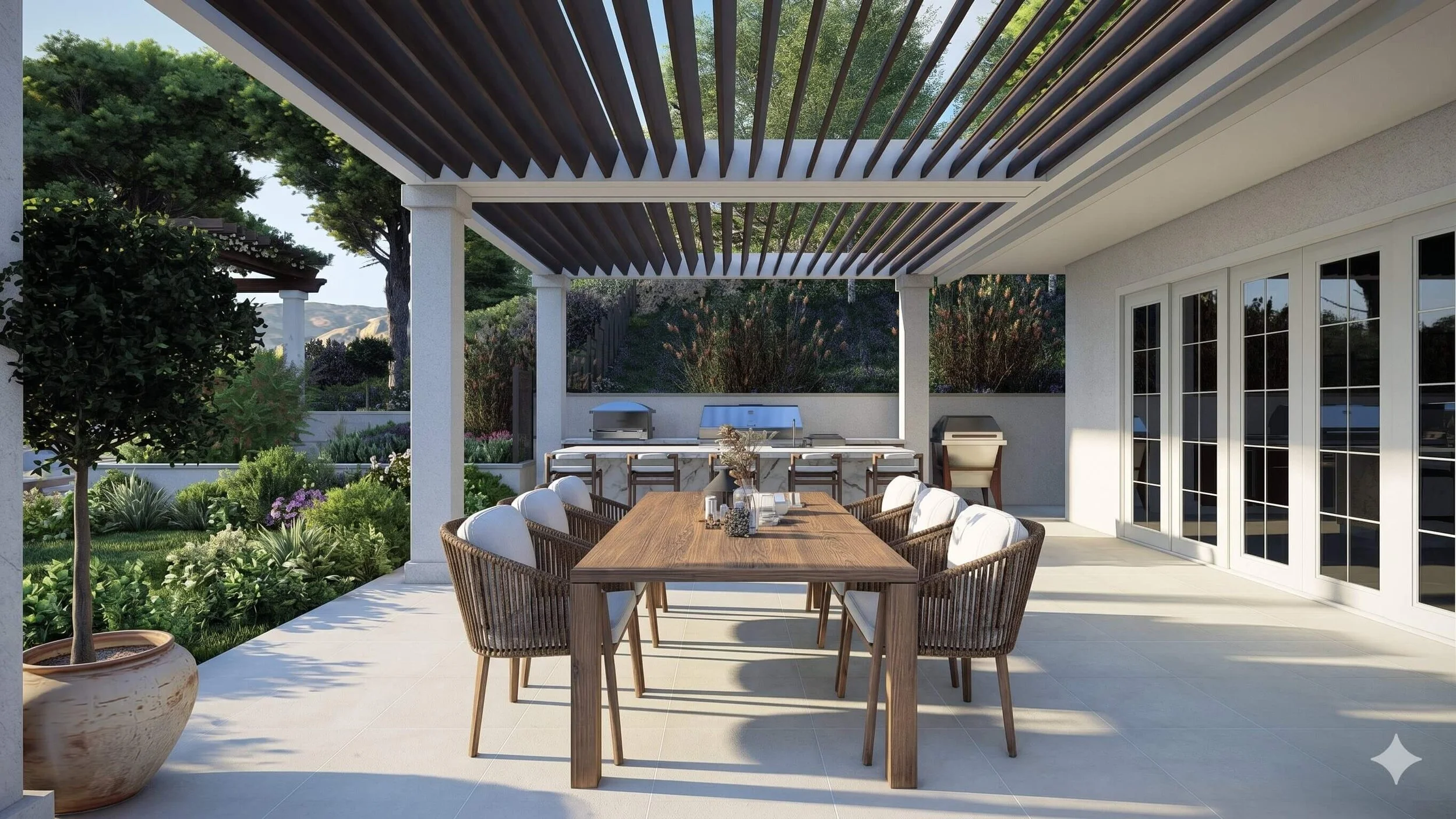
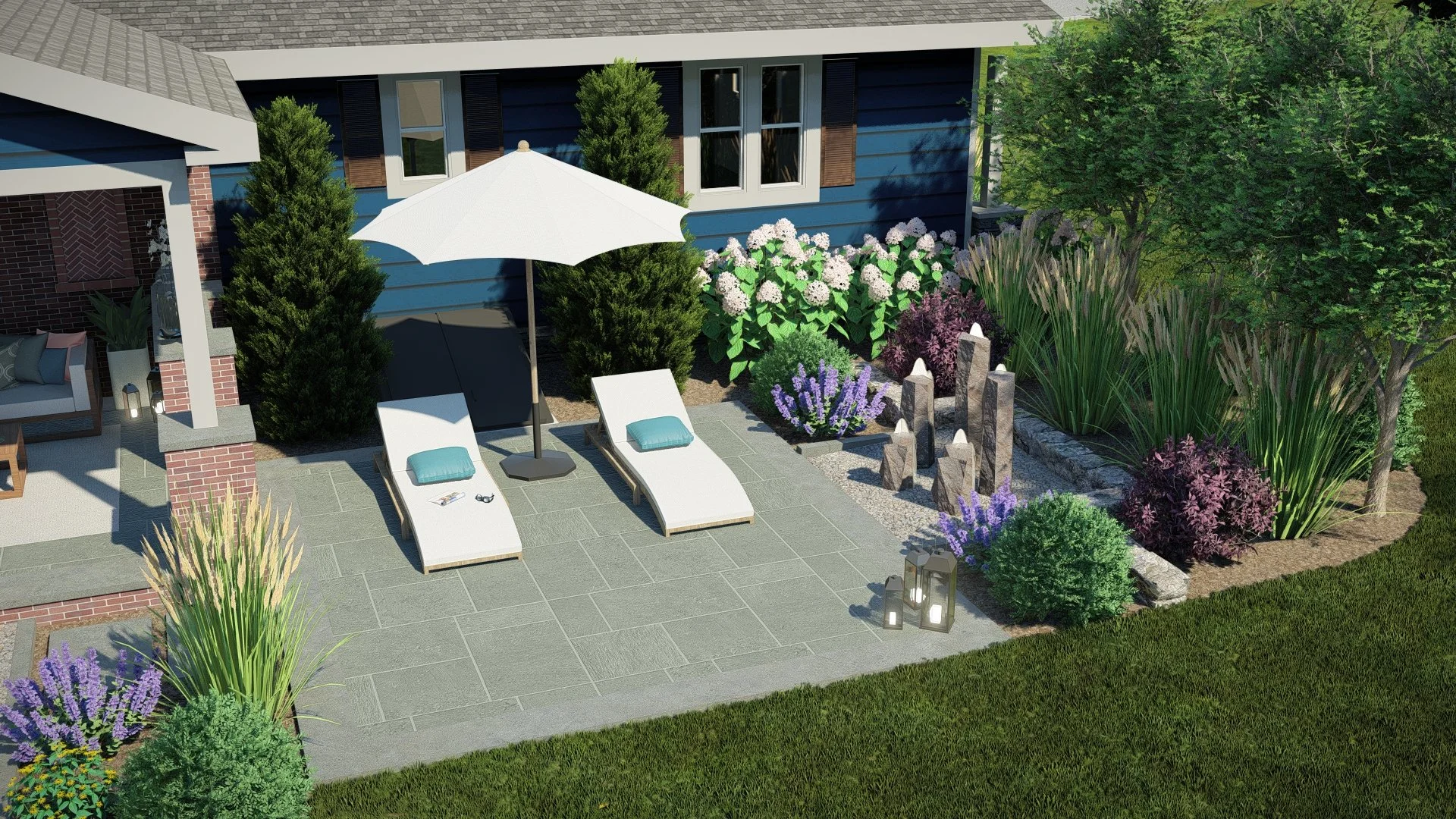
In fact, visual plans and renderings help clients understand the project clearly, which improves communication and increases confidence in moving forward.
Where SCAPES Fits In
This is where SCAPES becomes a force multiplier.
Instead of:
Sketching rough ideas
Explaining concepts verbally
Hoping the client “gets it”
You present:
Clean, build-ready layouts
Realistic 3D visuals
Clear material direction
SCAPES allows you to:
Sell projects before they’re built
Charge for design with confidence
Increase perceived professionalism
Close larger, higher-margin jobs
As a result, you’re no longer “quoting work”—you’re presenting a vision clients want to buy.
Step 4: Build Pricing With Confidence
Once the design is aligned, pricing becomes dramatically easier.
Instead of guessing or adjusting numbers on the fly, you’re pricing:
A defined scope
A clear layout
Known materials
Accurate estimates are critical—not just for profitability, but for credibility.
With a strong design in place, pricing shifts from:
Defensive (“Why does it cost this much?”)
toConfident (“Here’s exactly what’s included.”)
This reduces:
Back-and-forth revisions
Scope misunderstandings
Price objections
And increases:
Trust
clarity
close rates
Streamline client onboarding
Move faster to contract
Keep your pipeline flowing
Step 5: Present Like a Pro
Presentation matters more than most contractors realize. If you are emailing out designs and proposals, you are losing. Plain and simple.
The single most important element in the entire sales cycle that has the most substantial impact on close rates is presenting designs and proposals in person. Nothing sends a worse message to a prospective client than not giving them the time of day to meet with them in-person (or virtually as a backup option) to present your solution for their home. They are spending a significant amount of money to improve their property and simply want their contractor to respect this investment and make them feel safe in their decision.
Emailing out designs and proposals is on the verge of ignorant and sends a clear message that you as the contractor do not care much about the investment the prospective client is about to make.
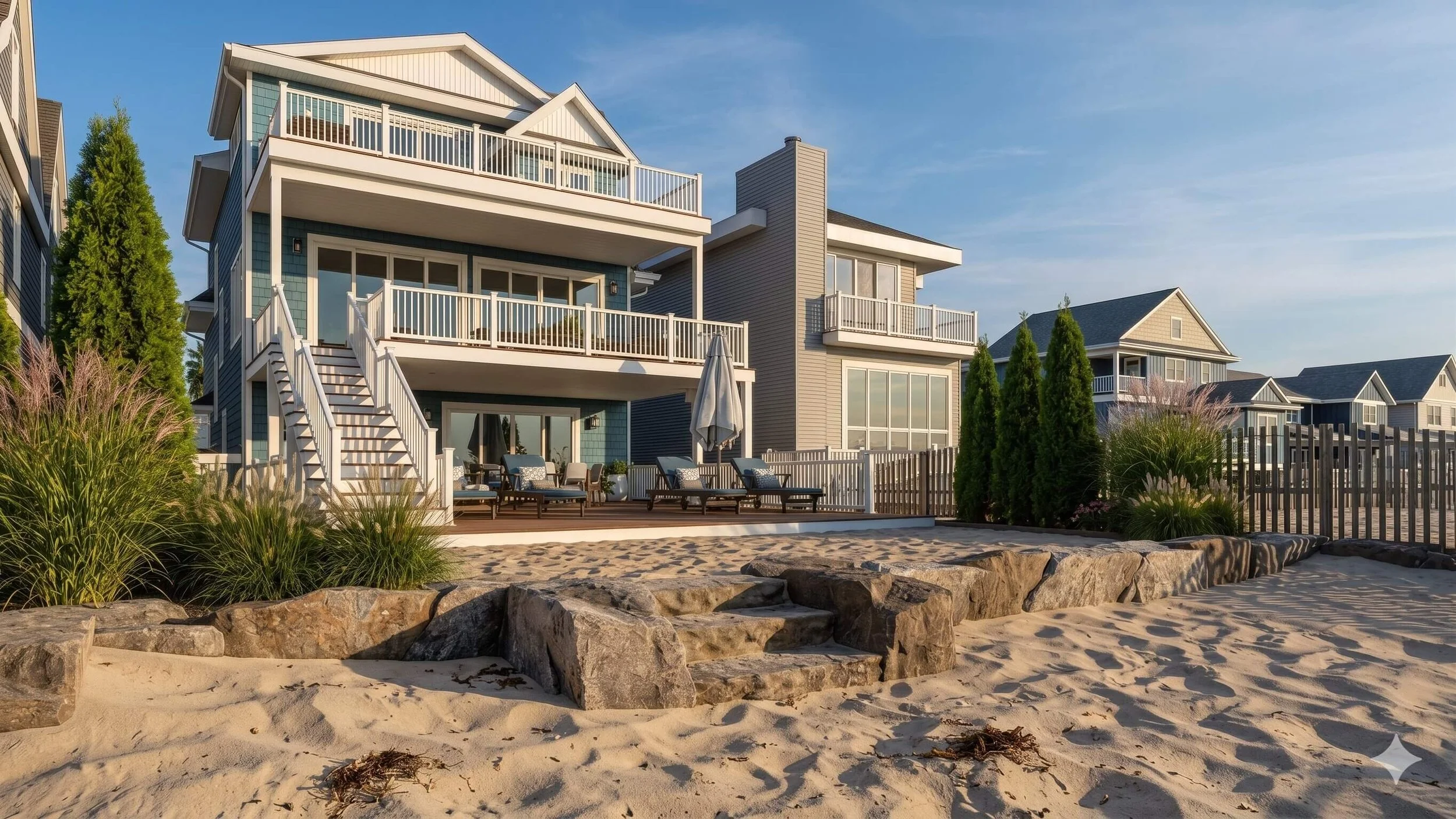
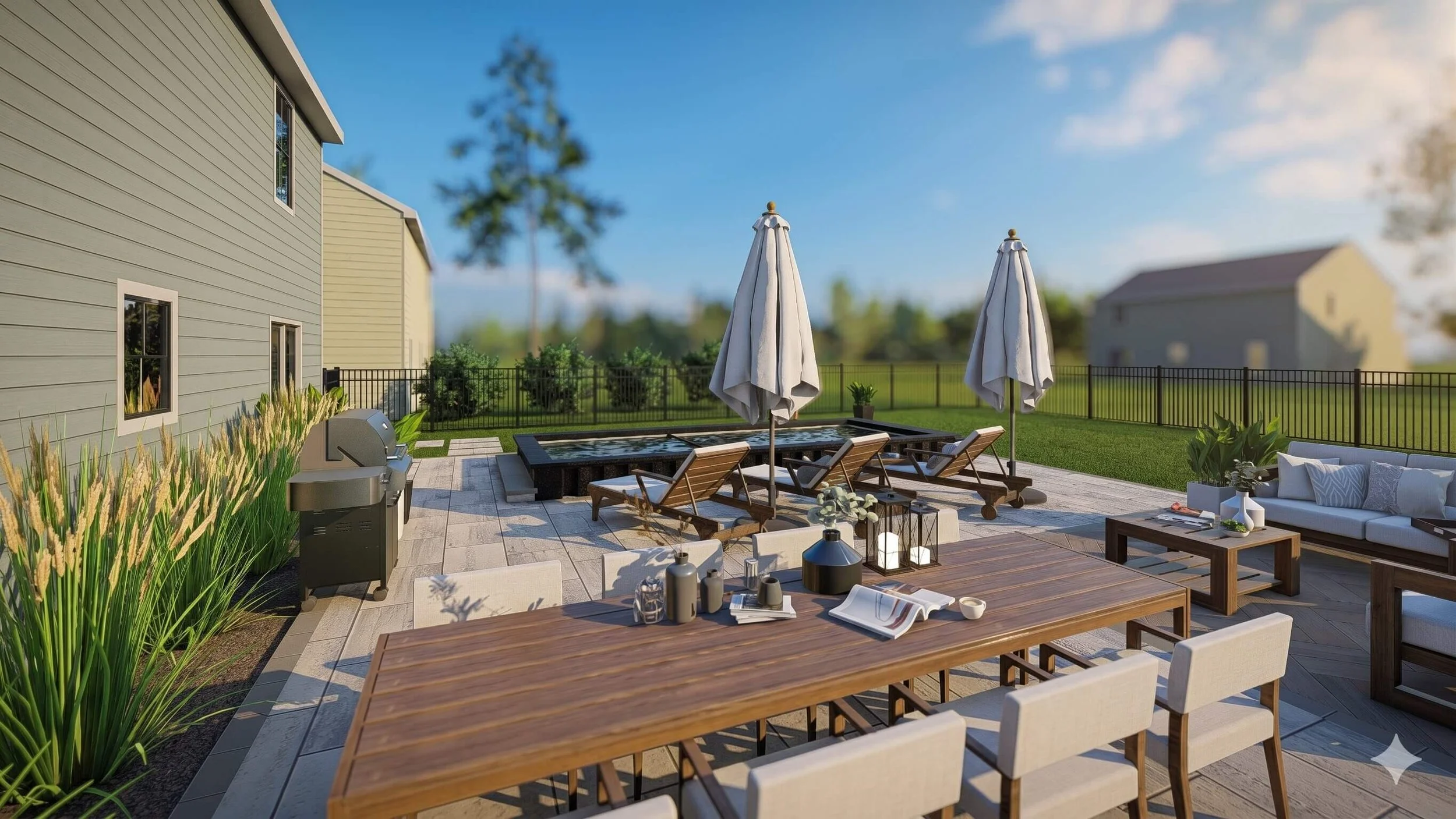
Beyond the meeting, the way the solution is presented is a major opportunity to earn trust and close sales. A proposal isn’t just a document—it’s a sales experience.
Winning contractors present:
The design (visual + functional explanation)
The scope (clearly defined)
The value (why it’s worth it)
The price (with confidence, not apology)
Strong proposals include:
A clear project overview
Defined deliverables
Transparent pricing
A logical flow
Well-structured proposals reduce confusion and set expectations early, preventing misunderstandings later in the project.
This is where everything comes together.
If the earlier steps were done right, this stage feels easy.
Step 6: Follow Up (Where Most Deals Are Won or Lost)
The simplest step—and the most overlooked.
Most contractors either:
Don’t follow up
Follow up too late
Or follow up inconsistently
But timing matters.
Every day that passes after a consultation reduces your chance of closing the job.
A strong follow-up system includes:
A same-day or next-day check-in
A structured follow-up sequence
Clear next steps
This doesn’t need to feel pushy—it just needs to be consistent.
The contractors who win aren’t always the best—they’re the ones who stay top of mind.

How This System Changes Your Business
When you implement a structured sales process, everything improves:
1. Higher Close Rates
Clear communication + strong design = more signed contracts
2. Faster Sales Cycles
Less confusion → fewer delays → quicker decisions
3. Larger Project Sizes
Clients commit more easily when they can see the vision
4. More Predictable Revenue
A system creates consistency across your pipeline
5. Better Client Experience
Clarity reduces stress for everyone involved. Instead of chasing work, you start controlling your pipeline.
Where Most Contractors Get Stuck (And How to Fix It)
Even with a great process, most contractors hit one bottleneck:
The design phase.
It’s time-consuming.
It’s inconsistent.
And it often gets rushed—or skipped entirely.
That’s exactly why SCAPES exists.
SCAPES: Built for Contractors Who Want to Close More Jobs
SCAPES isn’t just a design service—it’s a sales enablement tool for contractors.
We help you:
Turn ideas into clear, sellable plans
Present with confidence
Price accurately
Close faster
With SCAPES, you can:
Offer professional design without hiring in-house
Scale your pipeline without adding overhead
Improve consistency across every project
From first concept to signed contract, SCAPES integrates directly into your sales process—making every step more efficient and more effective.
Recap
If your current process feels inconsistent or unpredictable, it’s not a talent issue—it’s a system issue.
Here’s the framework:
Qualify the lead
Structure the first conversation
Sell the design
Build pricing with clarity
Present professionally
Follow up consistently
Each step builds on the last.
And when executed together, they create a pipeline that:
Converts better
Moves faster
Scales with your business
Most contractors think they need more leads. But in reality, they need a better system for converting the leads they already have. Because when your process is dialed in—from first call to final signature—you don’t just win more jobs.
You win better jobs, at better margins, with less friction.
About the Author
With a diverse background as an owner of both a landscape design/build business and landscape maintenance operation as well as a formal education in Landscape Design from Penn State, Kevin now spends his days helping SCAPES lead the charge in the internet landscape design space. The classic kid-mowing-lawns story turned into a passion for the landscape profession for Kevin, and you may even hear him tell you that landscaping is about all he is good for! Have a question about something you just read? Reach out to Kevin directly at kevin@scapesdesigns.com and he will undoubtedly prove how serious SCAPES is about delivering a delightfully personal experience.
