
SCAPES FIELD NOTES
SCAPES FIELD NOTES
Where better landscapes—and better businesses—take shape.
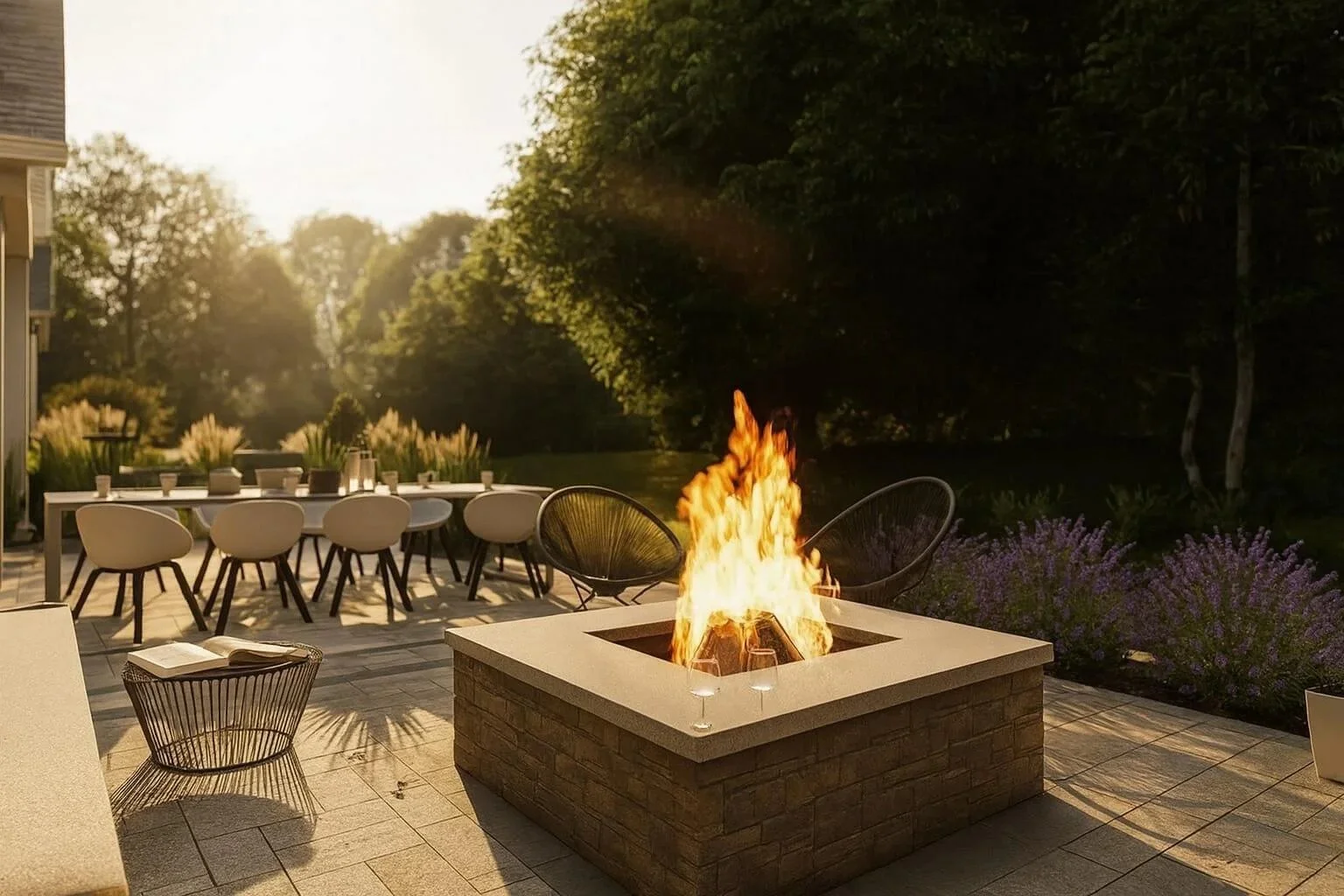
Landscape Design, Rendering & Outdoor Living Industry Insights
The SCAPES blog is built specifically for landscape contractors, outdoor living companies, and design professionals looking to improve presentation quality, increase project sales, streamline operations, and stay ahead of industry trends.
Inside our blog, we cover everything from landscape design software comparisons and rendering workflows to sales strategies, construction documentation, outdoor lighting, AI in landscape design, project presentation techniques, and business growth systems for modern landscape companies.
Whether you’re trying to improve client presentations, create more realistic renderings, increase project sizes, understand emerging AI tools, or optimize your design process, our content is designed to provide practical insights that can be applied directly to real-world landscape projects and business operations.
Great landscape projects don’t start with products or pricing — they start with better ideas, clearer communication, and stronger design presentation.

Top 3 SketchUp Rendering Enhancements for Landscape Design - 2026
Most landscape contractors assume rendering software is only about making designs “look better”—but in reality, the right rendering workflow can dramatically impact sales presentations, revision speed, client communication, and overall design efficiency.
Some rendering platforms prioritize maximum photorealism, while others focus on real-time workflow speed, live walkthroughs, or ease of use. The best rendering software depends heavily on how your company designs, presents projects, and manages revisions throughout the sales process.
Bottom line: there is no universally “best” rendering platform for every landscape company. The most effective workflows combine rendering quality, speed, and usability in a way that helps contractors communicate ideas more clearly, sell projects more effectively, and scale design production as demand grows.

The 6 Best Landscape Design Software’s - 2026
Most landscape contractors assume the “best” software is simply the one with the most advanced features—but in reality, the best landscape design software depends entirely on your workflow, project type, and business model.
Some platforms prioritize speed and simplicity for fast sales concepts, while others focus on technical construction drawings, photorealistic rendering, or large-scale site design. The right software can dramatically improve presentation quality, design efficiency, client communication, and overall production capacity.
Bottom line: there is no one-size-fits-all landscape design software. The most successful landscape companies build workflows around the tools that help them design faster, communicate more clearly, and scale more efficiently as projects and demand grow.

The Growing Talent Shortage in Landscape Design: Why Finding Great Designers Is Becoming Increasingly Difficult
The landscape industry is facing a growing shortage of qualified designers just as demand for outdoor living projects continues to surge—and contractors are left to solve the problem.
Landscape companies across the country are struggling to hire experienced designers who can create professional plans, communicate with clients, and keep projects moving efficiently. As hiring becomes more competitive and expensive, many firms are finding it harder to scale their sales and production capacity.
Bottom line: the talent shortage is no longer a temporary hiring issue—it’s becoming a major growth challenge for the industry.

In-House Landscape Designer vs. Outsourcing Design: Which Makes More Financial Sense for Contractors?
Most landscape companies assume hiring an in-house designer is the next step toward growth—but the real costs often extend far beyond salary alone.
Outsourced landscape design gives contractors scalable production capacity, faster turnaround times, and professional design support without the burden of year-round payroll, benefits, recruiting, and seasonal overhead. Instead of being limited by one employee’s workload, companies can scale design capacity as demand increases.
Bottom line: outsourcing design isn’t just about saving money—it’s a more flexible and efficient model that helps landscape contractors grow faster, operate leaner, and stay competitive during peak season.

The Role of AI in Landscape Design: Useful Tool or Overhyped Shortcut?
AI is changing how landscape design looks—but not how it works.
AI tools can generate fast, visually appealing concepts, but they often miss the real-world details that make a design buildable—like grading, materials, and constructability. That’s where experienced designers still make the difference.
Bottom line: AI can enhance the presentation, but it can’t replace thoughtful, build-ready design that helps contractors close projects and execute them with confidence.

Landscape Designer vs. Landscape Architect – What’s the Difference?
For most projects, the question is simple: Do you actually need an architect?
Landscape designers create buildable layouts—patios, plantings, and overall flow—helping you sell faster and execute efficiently on typical residential jobs. Landscape architects are better suited for large-scale commercial planning.
Bottom line: most jobs don’t require an architect—just a strong, build-ready design.
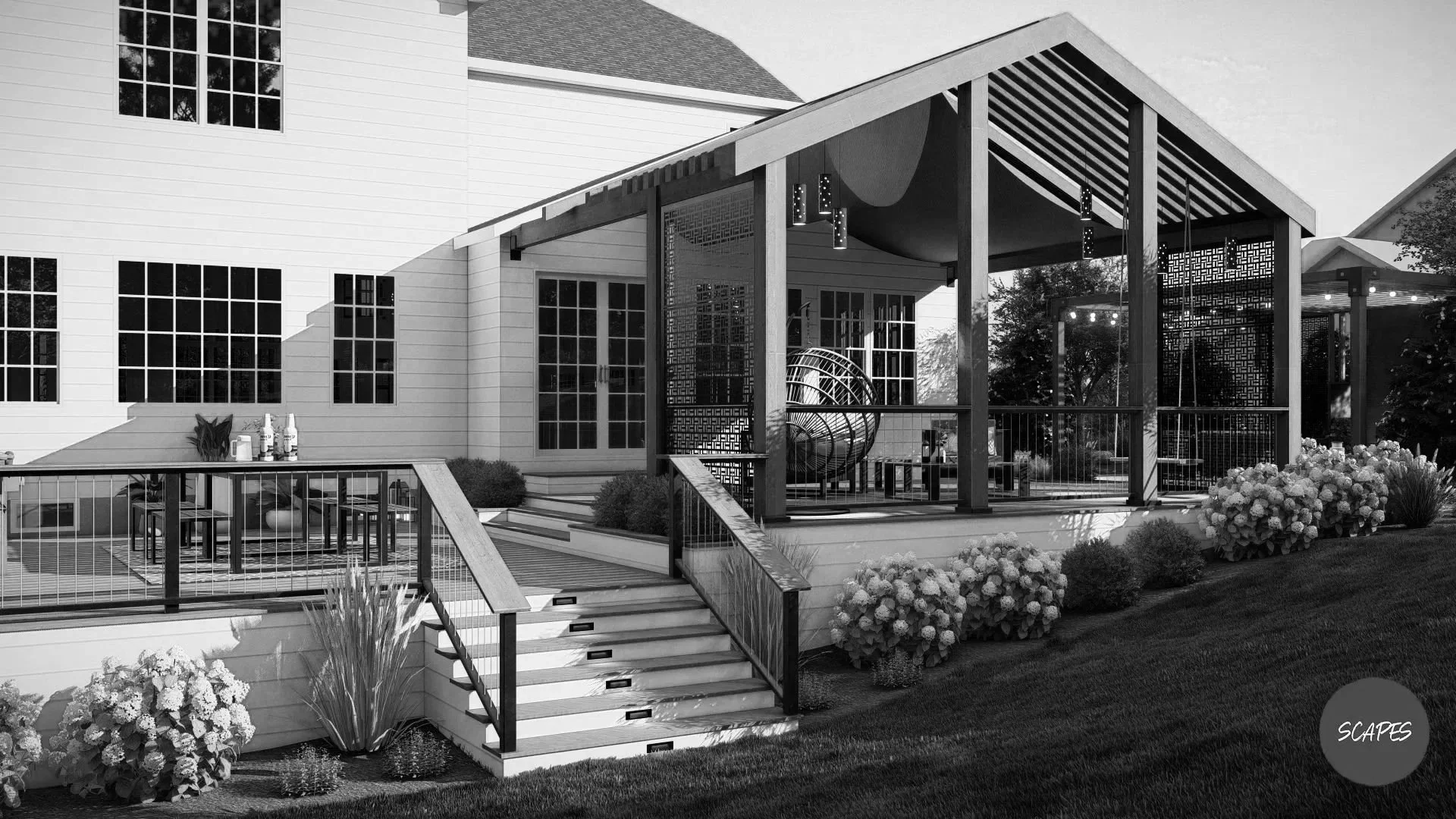
Flexible, Affordable Landscape Designs
Get ready to win more jobs with designs that sell. We’re confident our work—built around your workflow and your client’s vision—will help you present with clarity, price with confidence, and close faster.