
9 Min. ReadThe landscape design industry is facing a challenge that many contractors, design-build firms, and outdoor living companies are experiencing firsthand: a rapidly growing shortage of qualified landscape designers.
Across the country, companies are struggling to hire talented designers who can produce professional landscape plans, create compelling outdoor living concepts, communicate effectively with clients, and keep up with increasing demand for high-end residential and commercial design services.
At the same time, consumer demand for landscape design has exploded.
Outdoor living spaces have become a major investment category for homeowners. Luxury pools, outdoor kitchens, pavilions, lighting systems, and full-property master plans are now considered essential lifestyle upgrades rather than optional amenities. Yet while demand for design services continues to rise, the pipeline of new landscape designers entering the industry continues to shrink.
For many landscape companies, this imbalance has created a serious operational problem.
Projects are delayed. Sales opportunities are lost. Existing designers become overwhelmed. Design quality suffers. Hiring becomes increasingly expensive. And firms that cannot scale their design capacity often hit a ceiling on growth.
At SCAPES, we have experienced these industry-wide hiring challenges firsthand while working with contractors and landscape firms throughout the United States. The shortage of qualified landscape design talent is no longer a temporary issue — it is becoming a defining business challenge for the future of the industry.
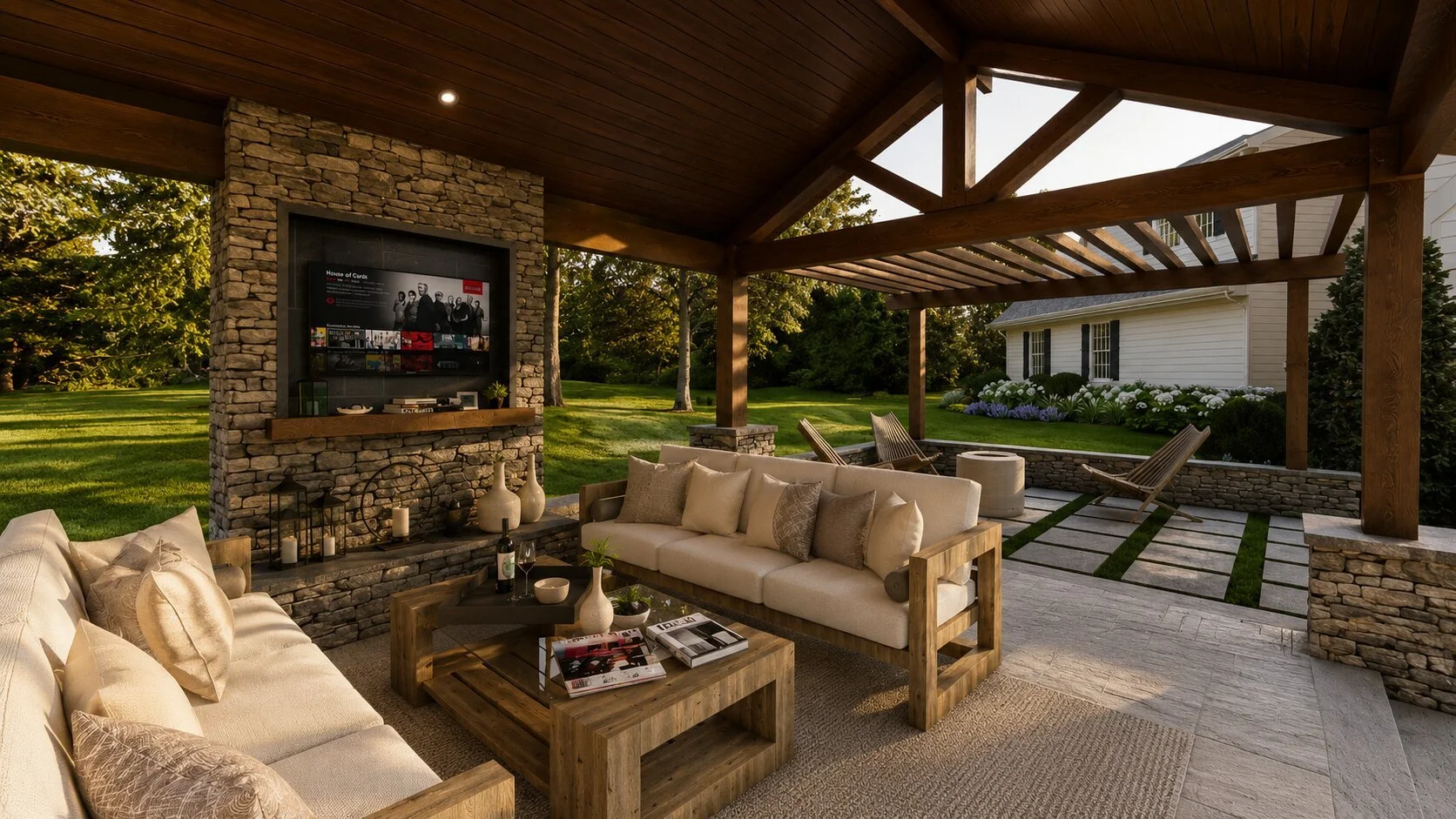
Why the Landscape Design Talent Shortage Is Growing
The shortage of landscape designers is not caused by a single issue. Instead, it is the result of several industry trends converging at the same time.
Fewer Students Are Entering Landscape Design Programs
One of the biggest long-term issues is the declining number of students pursuing landscape design and landscape architecture education.
Many colleges and universities have seen reduced enrollment in landscape-related programs over the past decade. Younger generations are often encouraged toward technology, engineering, healthcare, finance, or software-related careers rather than design and construction industries.
Even students who are interested in creative careers are frequently drawn toward fields such as:
Graphic design
UX/UI design
Architecture
Digital media
Industrial design
Interior design
As a result, fewer graduates are entering the landscape industry overall. For companies attempting to hire designers, the available talent pool becomes smaller every year.
Experienced Designers Are Aging Out of the Industry
At the same time that fewer young designers are entering the profession, many experienced designers are nearing retirement. Some firms built their businesses around veteran designers with decades of experience in planting design, grading, hardscape planning, and construction detailing. As these professionals retire, there are often few qualified replacements available to step into those roles.
This creates a dangerous gap in institutional knowledge.
Many newer designers may have strong software skills but limited real-world construction experience. Others may understand installation methods but lack advanced design capabilities or presentation skills.
Finding individuals who possess both creative talent and technical expertise is becoming increasingly difficult.
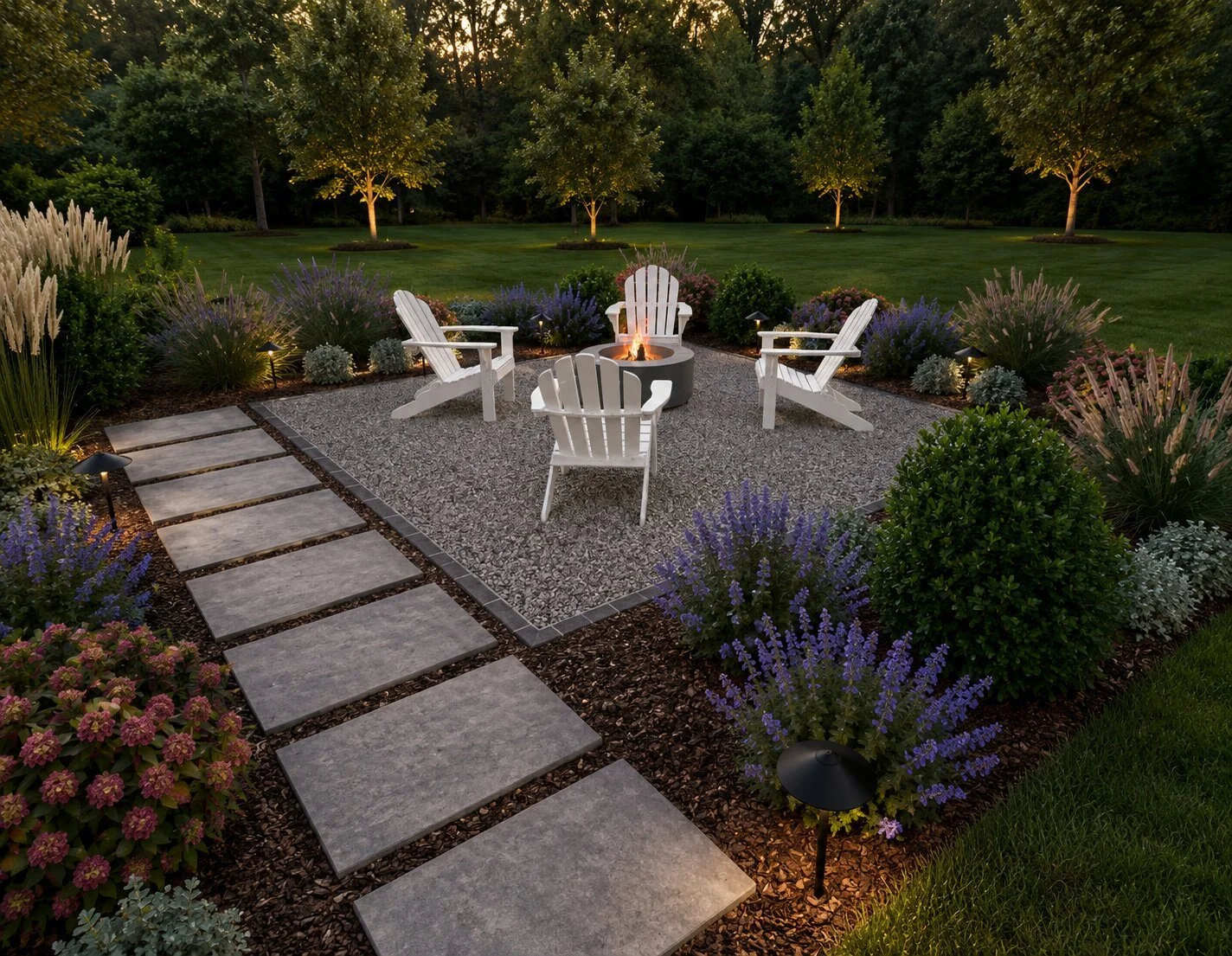
A Perennial Problem
Ever-increasing technological advancements help ease the burden of the landscape designer supply shortage, but not at a pace face enough to eliminate (or significantly ease) the core issue.
The Demand for Landscape Design Has Increased Dramatically
While the talent pool shrinks, demand continues to rise. Homeowners today expect far more sophisticated outdoor environments than they did even 10 years ago.
Modern projects frequently include:
Luxury pools
Outdoor kitchens
Custom pavilions
Fire features
Advanced landscape lighting
Multi-level patios
Drainage engineering
Retaining wall systems
Smart outdoor technology
Full-property master planning
These projects require a much higher level of design expertise than traditional foundation planting plans or simple patio layouts.
Additionally, social media platforms such as Instagram, Pinterest, and Houzz have dramatically raised consumer expectations. Homeowners now expect highly visual presentations, photorealistic renderings, and professionally developed concepts before making purchasing decisions.
This increases both the workload and skill requirements placed on landscape designers.
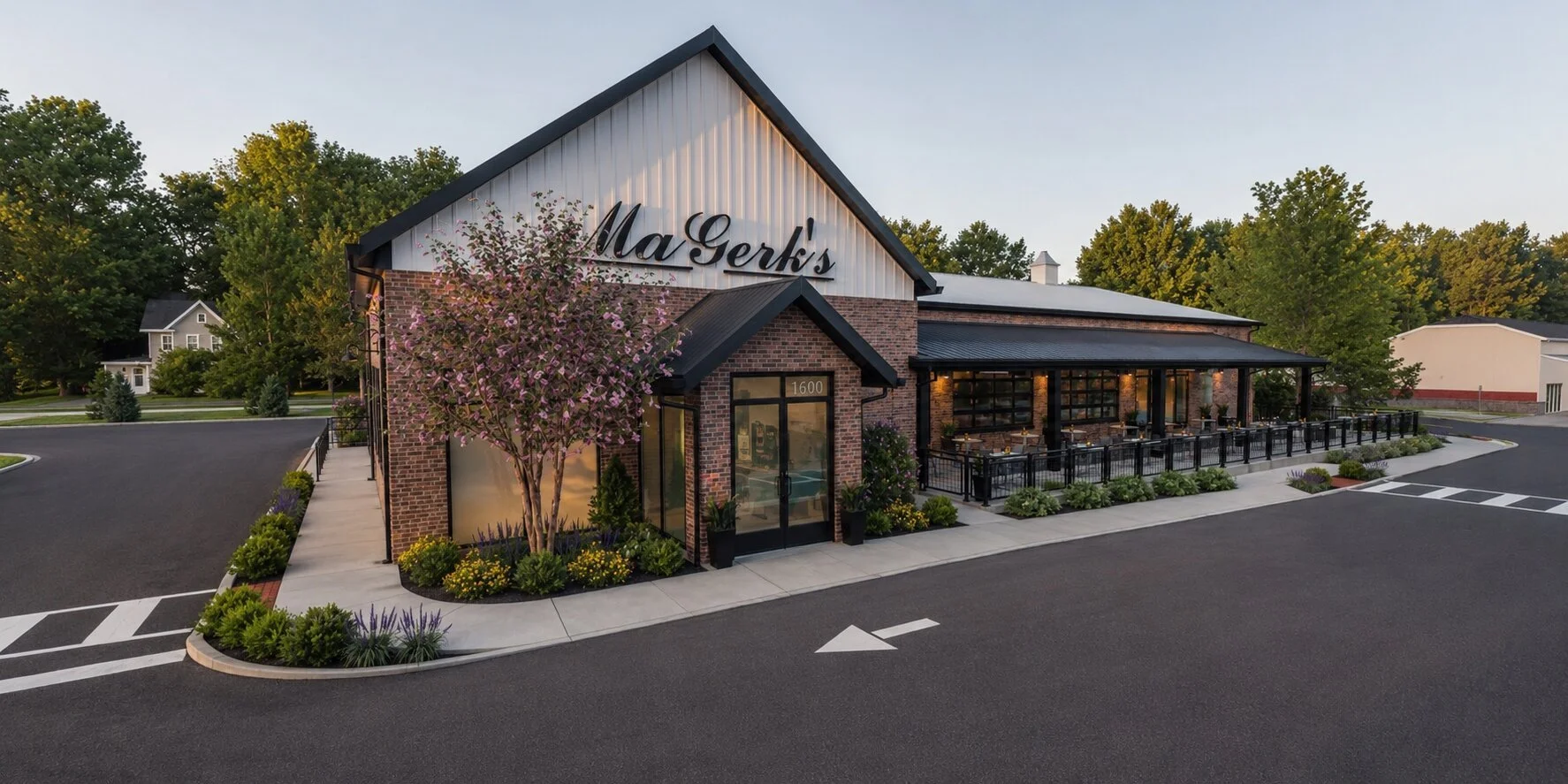
Consumer Expectations Have Changed
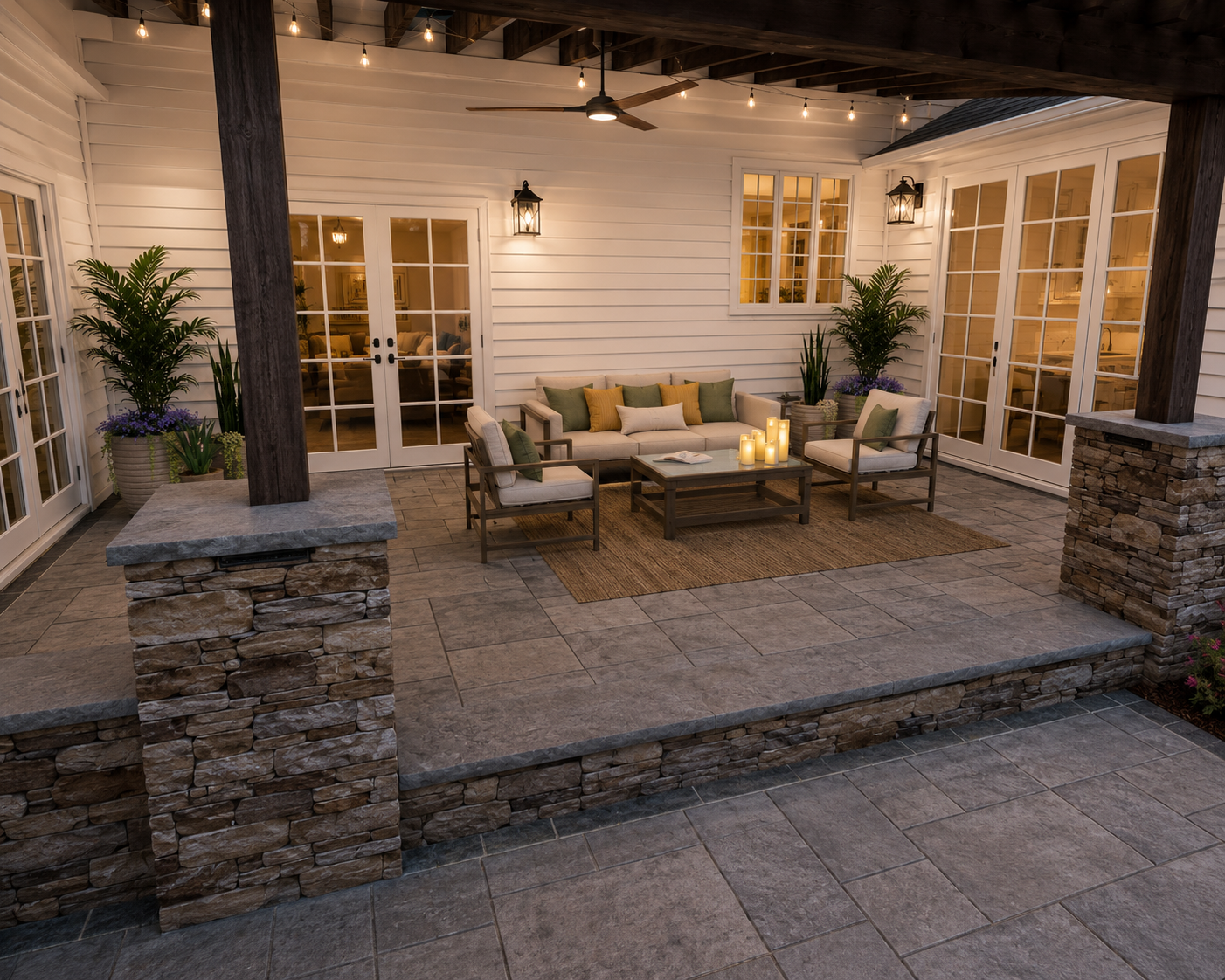
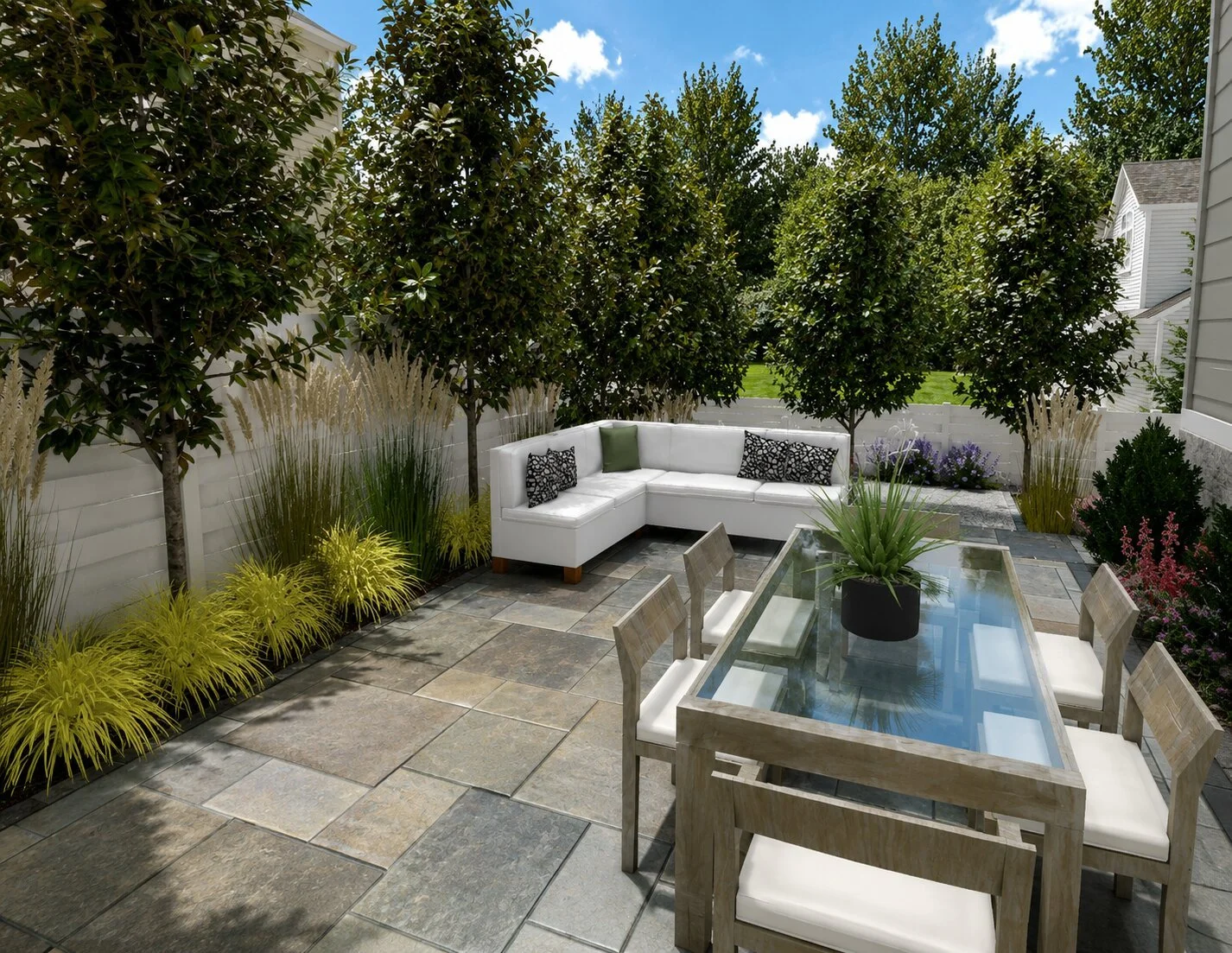
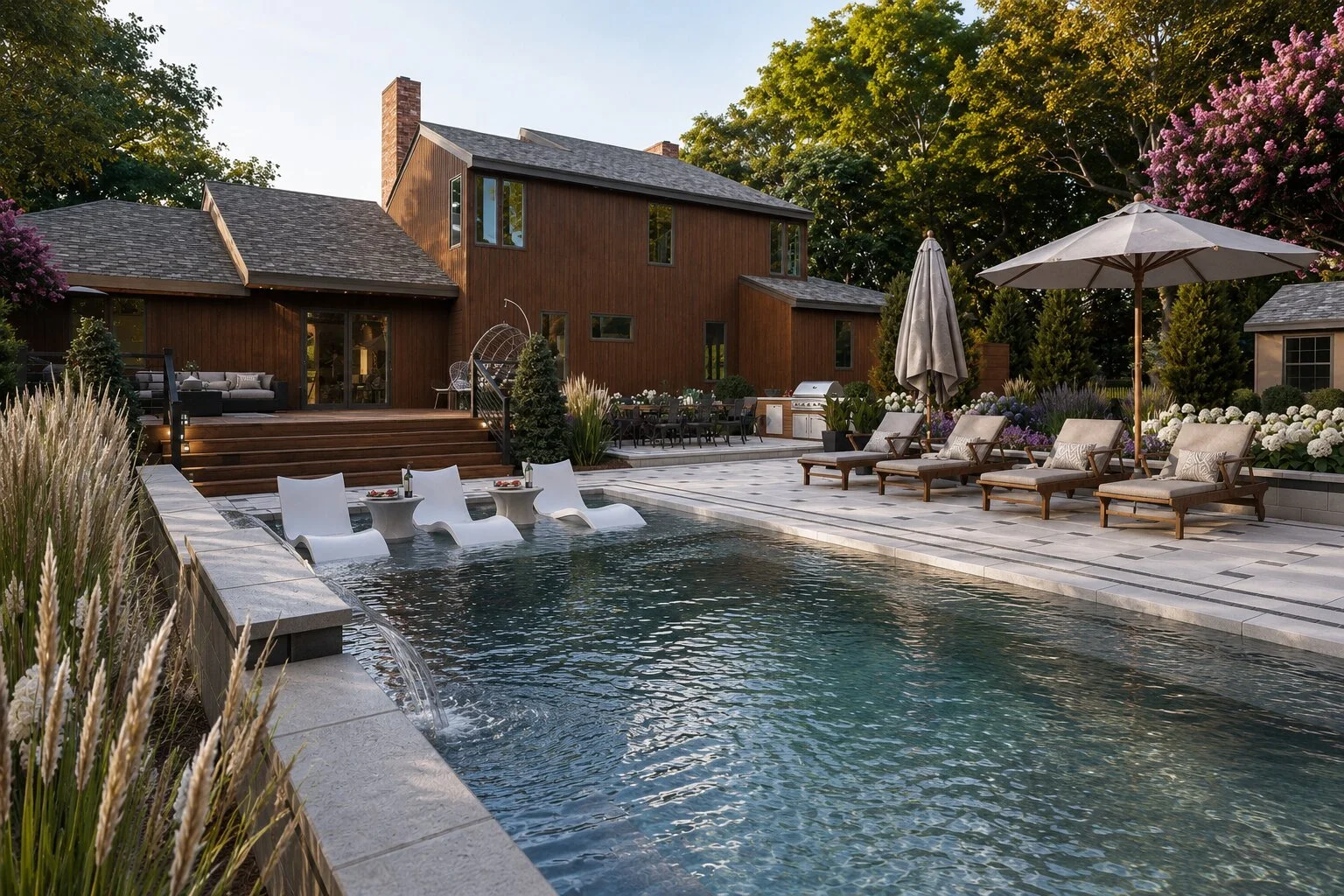
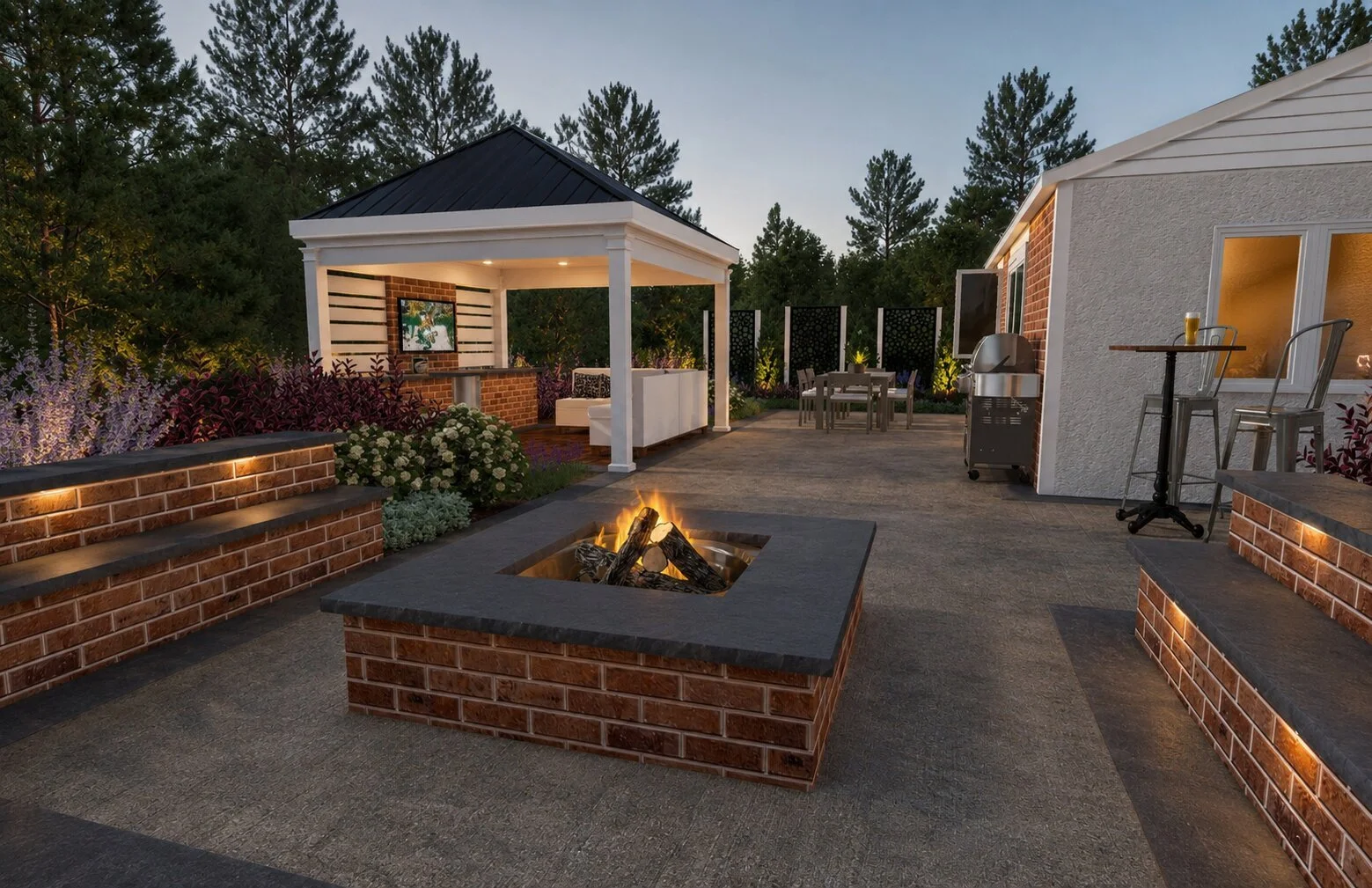
In a hyper-competitive, overly-saturated industry like landscaping, any competitive advantage that can create real value to the end user like photorealistic 3D landscape design renderings are becoming a necessity to stay relevant.
The Real Hiring Challenges Landscape Companies Are Facing
For many landscape contractors, finding a qualified designer has become one of the most difficult positions to fill.
Qualified Candidates Are Extremely Limited
Companies often spend months searching for candidates only to discover that applicants may lack:
Technical drafting skills
Plant knowledge
Construction knowledge
Client presentation ability
Sales experience
Design creativity
Software proficiency
Real-world installation understanding
Even candidates with formal education may require years of training before becoming fully productive within a design-build environment.
Competition for Designers Is Intensifying
Because qualified designers are scarce, competition between firms has become aggressive.
Companies are increasingly competing on:
Higher salaries
Flexible schedules
Remote work opportunities
Benefits packages
Bonuses
Commission structures
Career advancement opportunities
This creates upward pressure on labor costs throughout the industry.
For many small and mid-sized landscape companies, competing against larger firms for top design talent can become financially unsustainable.
Hiring the Wrong Designer Can Be Extremely Expensive
Landscape designers directly influence:
Sales conversions
Project profitability
Client satisfaction
Construction efficiency
Brand reputation
A weak designer can create significant downstream problems including:
Inaccurate plans
Unrealistic budgets
Construction errors
Change orders
Missed deadlines
Client dissatisfaction
Reduced close rates
Hiring mistakes in design positions are often far more costly than companies initially realize.
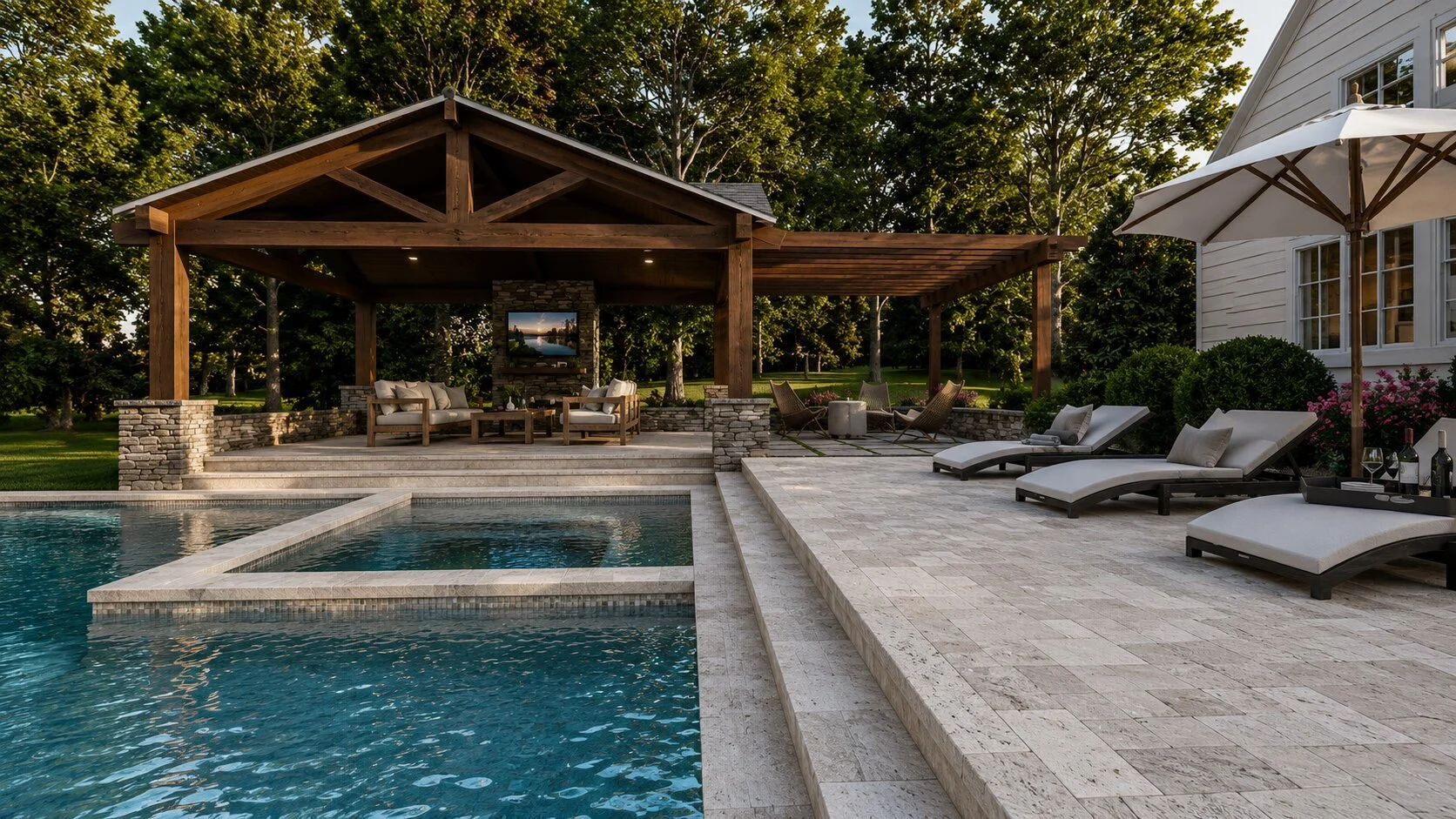
The True Cost of Employing an In-House Landscape Designer
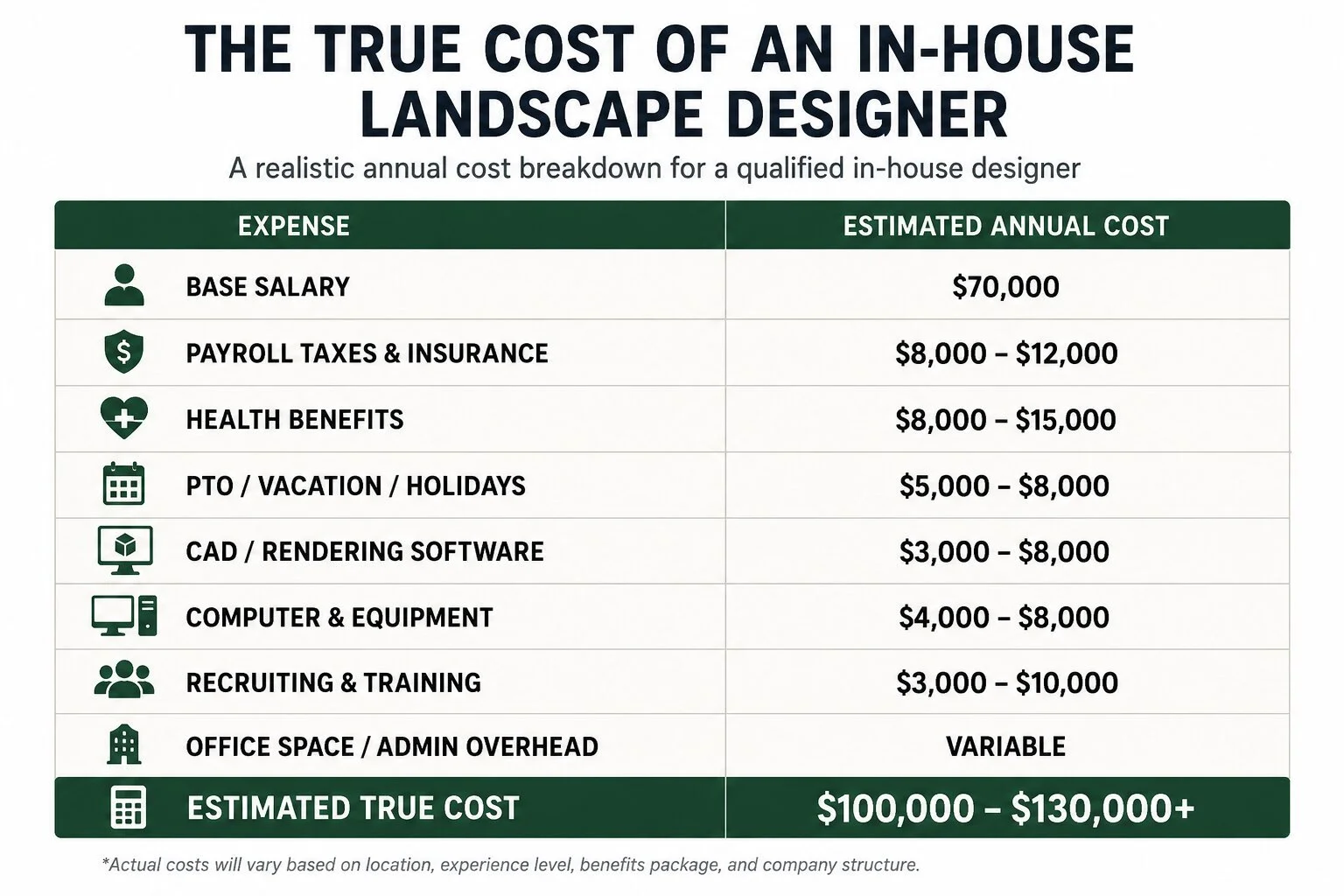
Many landscape companies underestimate the total cost of maintaining an internal design department. We wrote a whole article on the costs of hiring a designer. For many firms, the true annual cost of employing a single experienced landscape designer can easily exceed $100,000 to $160,000+ per year.
And that still does not account for:
Hiring delays
Turnover risk
Training time
Seasonal fluctuations
Management oversight
Workflow bottlenecks
Why the Shortage Is Especially Difficult for Small and Mid-Sized Landscape Companies
Large national firms may be able to absorb hiring challenges more easily. Smaller companies often cannot. A small landscape company may only need one or two designers to support its sales operation. But if even one designer leaves unexpectedly, the impact can be severe:
Sales pipelines slowing down
Delayed proposal delivery
Reduced project close rates
Increased owner workload
Burnout among remaining staff
Missed revenue opportunities
In many cases, business growth becomes directly tied to the availability of design labor.
This creates a frustrating reality:
Many companies have enough demand to grow — but not enough design capacity to support that growth.
The Industry Shift Toward Outsourced Landscape Design
Because of these hiring challenges, many landscape firms are reevaluating the traditional in-house design model.
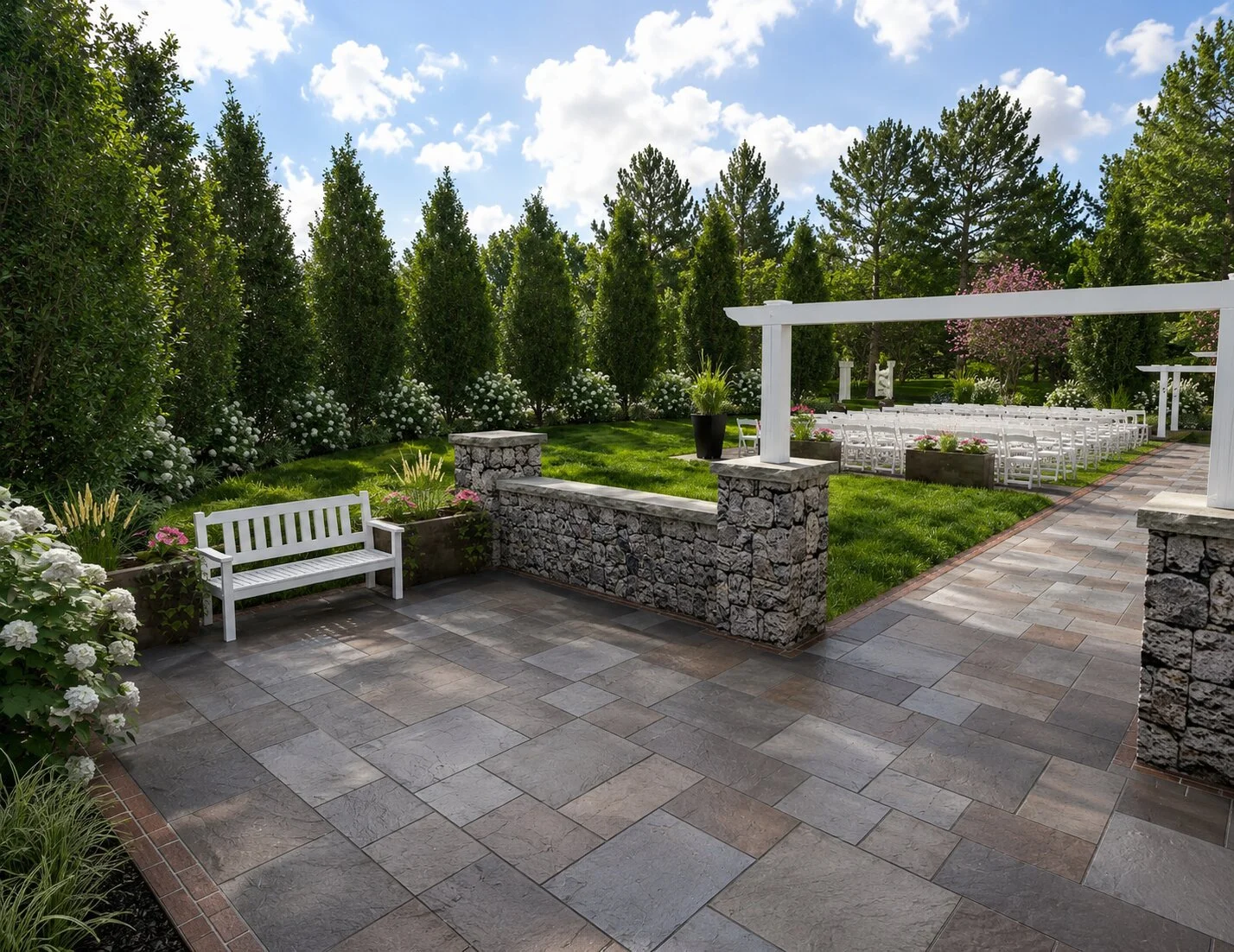
Outsourced landscape design services are becoming increasingly attractive because they allow contractors to access experienced design teams without the financial and operational burden of hiring internally.
Rather than attempting to recruit, train, and retain full-time designers, companies can leverage external design partners that already possess:
Established workflows
Experienced designers
Rendering capabilities
CAD drafting teams
Landscape architecture expertise
Presentation systems
Scalable production capacity
This model provides flexibility that many firms now consider essential.
How Outsourcing Helps Solve the Talent Shortage Problem
Immediate Access to Experienced Designers
One of the biggest advantages of outsourcing is immediate access to professional design talent.
Instead of spending months searching for candidates, companies can begin producing projects immediately with an established design partner.
This is especially valuable during:
Seasonal surges
Staffing shortages
Rapid growth periods
Expansion into new markets
High-volume sales periods
Reduced Hiring Risk
Hiring internal designers carries substantial risk.
If a designer leaves unexpectedly, companies often face major operational disruption. Outsourcing helps reduce dependency on any single employee while creating greater stability within the sales process.
Lower Fixed Overhead
Outsourced design models convert many fixed employment costs into variable production costs.
This allows firms to scale design volume more efficiently while avoiding:
Full-time salaries
Benefits packages
Recruiting costs
Software expenses
Additional office overhead
For many firms, this creates significantly better operational flexibility.
Faster Turnaround Times
Established outsourced design firms often have streamlined production systems capable of handling larger project volumes efficiently.
This can improve:
Proposal delivery speed
Client responsiveness
Sales conversion rates
Overall project throughput
In competitive markets, faster design delivery can directly impact revenue growth.
The Future of Landscape Design Will Reward Adaptability
The landscape industry is changing rapidly.
Consumer expectations continue to rise. Outdoor living projects continue to become more sophisticated. Technology continues to reshape design presentation standards. And the competition for qualified talent will likely continue for years to come.
Companies that rely solely on traditional hiring models may face increasing operational strain as the labor shortage intensifies.
The firms that adapt successfully will likely be those that:
Build scalable workflows
Leverage external expertise
Embrace technology
Increase production efficiency
Reduce operational bottlenecks
Create flexible staffing models
For many companies, outsourced landscape design is no longer simply a temporary staffing solution — it is becoming a long-term growth strategy.
How SCAPES Helps Landscape Companies Scale Design Capacity
At SCAPES, we work with landscape contractors, design-build firms, and outdoor living companies nationwide to help solve the growing design capacity problem facing the industry.
Our team provides:
Sales presentation graphics
Production design assistance
By partnering with SCAPES, companies can scale their design capabilities without the challenges associated with recruiting, training, and managing full-time internal designers.
As the landscape design talent shortage continues to impact the industry, flexible design partnerships are becoming increasingly important for companies that want to continue growing while maintaining high-quality design standards.
Recap
The shortage of qualified landscape designers is becoming one of the defining challenges facing the landscape industry today.
Demand for sophisticated outdoor living spaces continues to rise, while the supply of experienced designers continues to shrink. This imbalance is creating hiring difficulties, increasing labor costs, and limiting growth opportunities for many firms.
For landscape companies looking to remain competitive, scalable design solutions are becoming more important than ever.
Whether through internal hiring, outsourced partnerships, or hybrid staffing models, companies that proactively address the design talent shortage will be far better positioned for long-term success in the years ahead.
About the Author
With a diverse background as an owner of both a landscape design/build business and landscape maintenance operation as well as a formal education in Landscape Design from Penn State, Kevin now spends his days helping SCAPES lead the charge in the internet landscape design space. The classic kid-mowing-lawns story turned into a passion for the landscape profession for Kevin, and you may even hear him tell you that landscaping is about all he is good for! Have a question about something you just read? Reach out to Kevin directly at kevin@scapesdesigns.com and he will undoubtedly prove how serious SCAPES is about delivering a delightfully personal experience.
