
6 Min. ReadArtificial intelligence is quickly finding its way into nearly every creative and technical field—and landscape design is no exception. From instant concept generation to automated image enhancements, AI promises speed, efficiency, and accessibility in a way the industry hasn’t seen before.
But here’s the reality: while AI has a place in landscape design, it’s not a replacement for real design thinking—and it’s not even close.
This article breaks down where AI actually adds value, where it falls short, and how we approach it at SCAPES to strike the right balance.
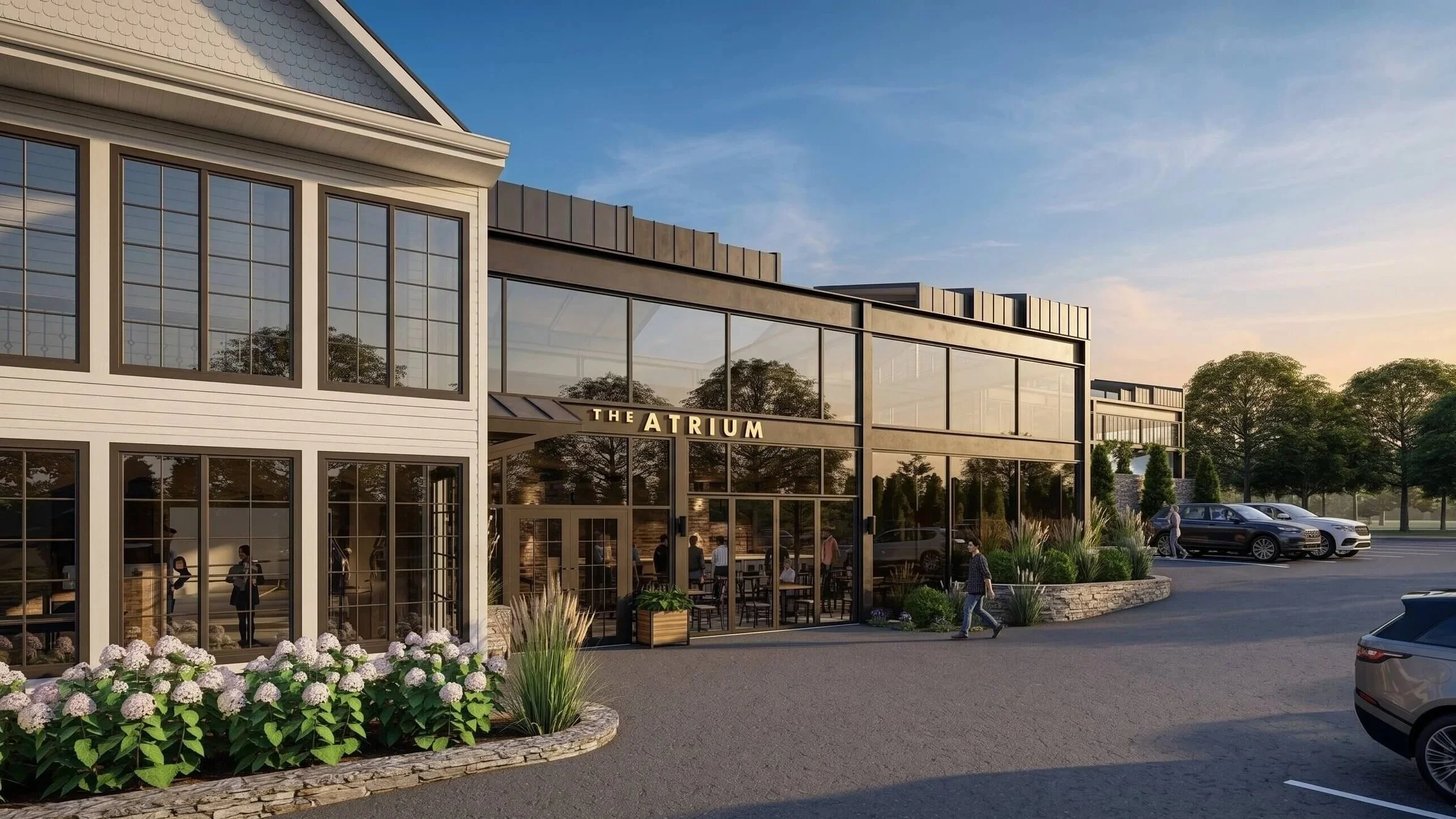
The Appeal of AI in Landscape Design
At first glance, AI feels like a breakthrough for both contractors and homeowners.
You can:
Upload a photo of a backyard
Generate multiple design “ideas” in seconds
Experiment with styles, layouts, and plant palettes instantly
For an industry that traditionally relies on time-intensive drafting and rendering, that kind of speed is appealing.
AI tools are especially strong at:
Generating inspiration quickly
Visualizing general aesthetics
Producing stylized images that look polished
For early-stage brainstorming, that’s valuable.
But that’s also where the strength ends.
Where AI Starts to Break Down
The biggest misconception is that AI-generated designs are buildable.
They’re not.
AI doesn’t understand:
Grade changes or drainage
Real-world material constraints
Structural requirements
Local climate conditions
Installation sequencing
It creates images—not plans. And in landscape design, that distinction matters more than anything.
A design that looks good but can’t be built efficiently (or at all) creates more problems than it solves. It leads to:
Endless revisions
Misaligned expectations
Budget overruns
Frustrated clients and crews
AI can suggest what something might look like—but it can’t tell you how to actually make it happen.
The Missing Piece: Real Design Thinking
Professional landscape design isn’t just about visuals—it’s about problem solving.
A strong design considers:
How people will move through a space
How materials interact over time
How to balance aesthetics with function
How to make the project sellable and buildable
These are decisions that come from experience—not algorithms.
AI doesn’t walk job sites.
It doesn’t deal with clients.
It doesn’t adjust designs when budgets shift or site conditions change.
That’s where human designers still dominate—and will for the foreseeable future.
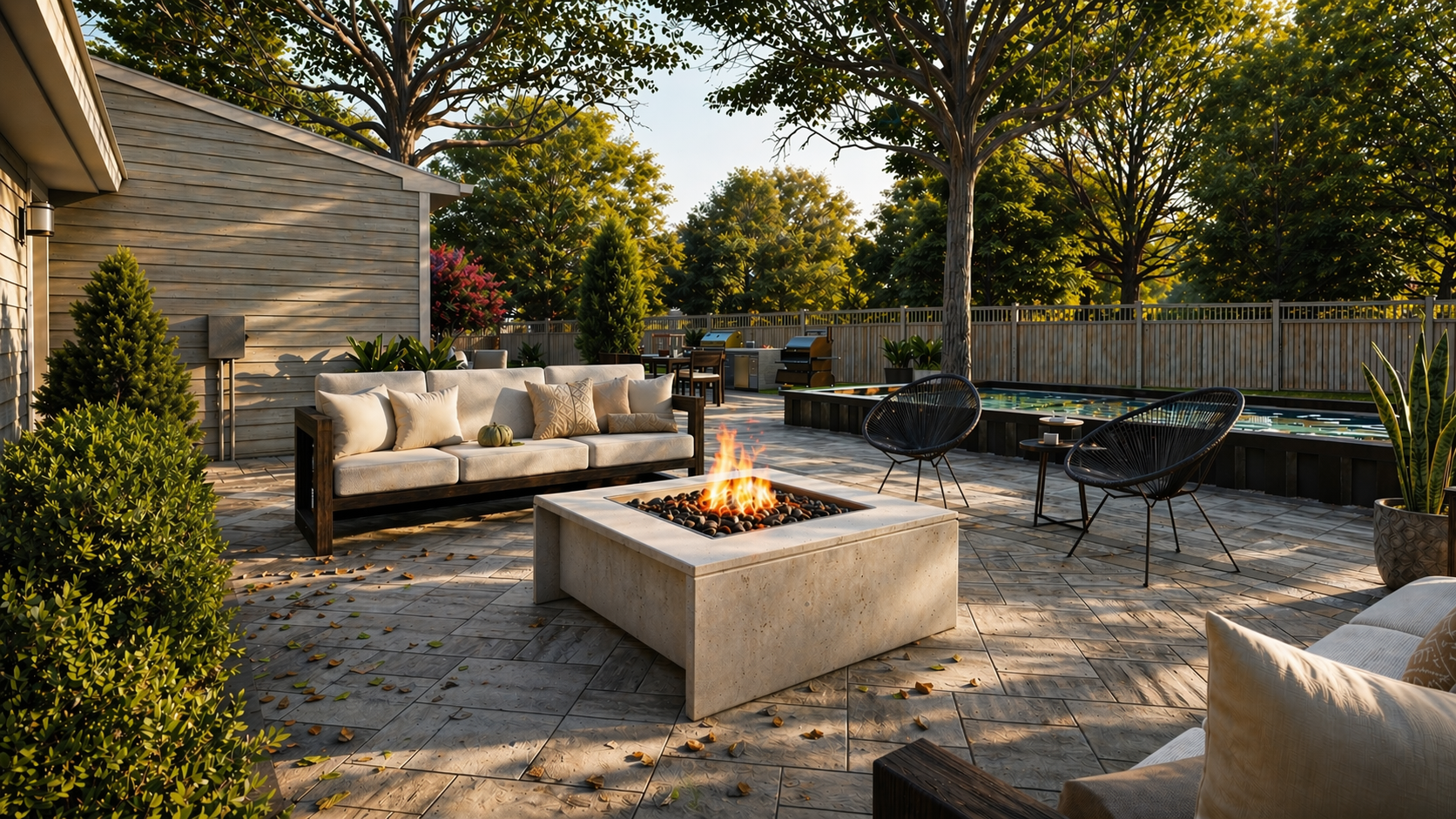
3D Rendering Enhancement
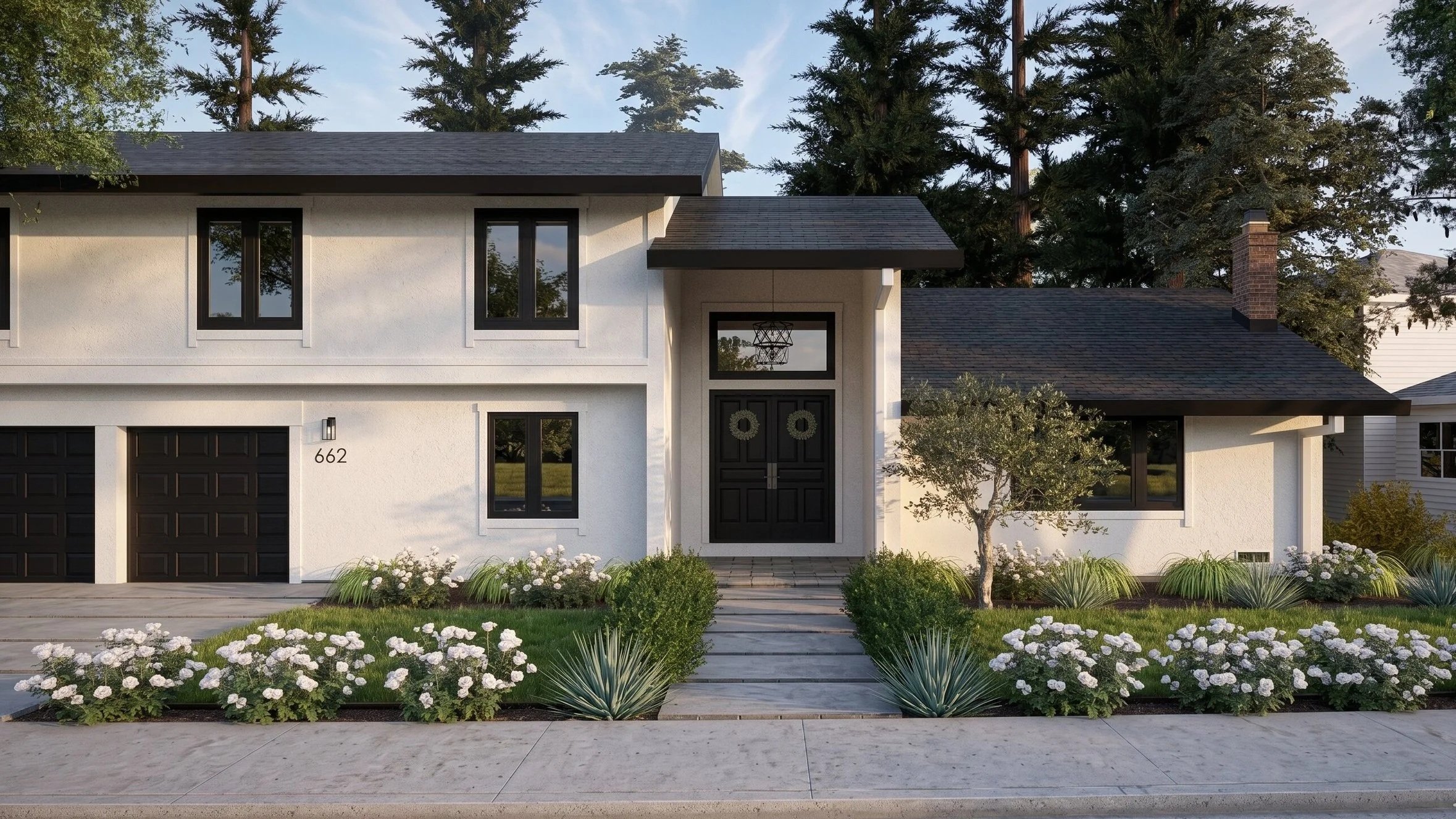
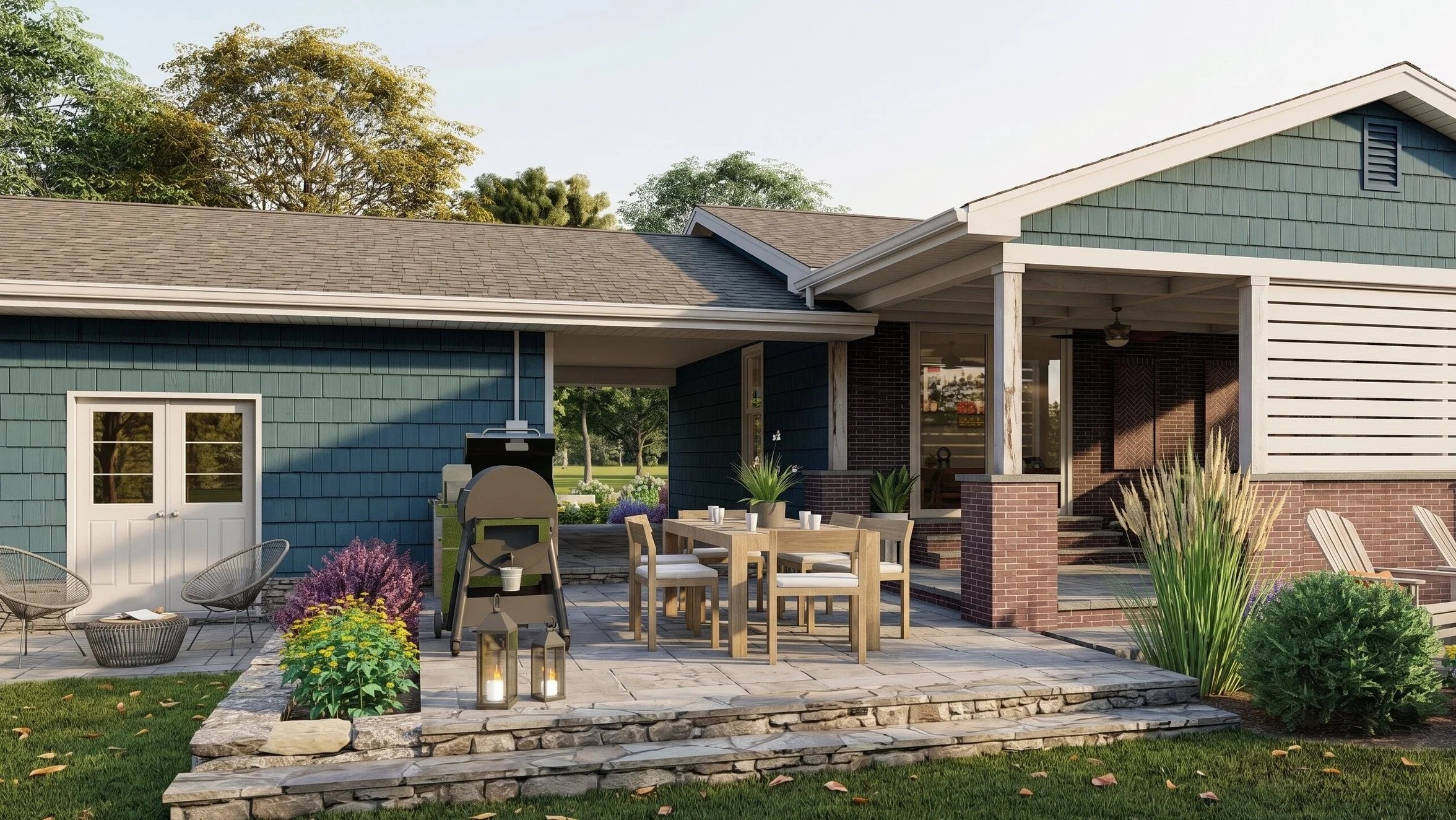
This image shows a nice representation of the level of graphic enhancement we are able to achieve with AI tools. These are post-rendering image cleanups - we tediously model the design in 3D based on sound design theory with real-world practicality from years of hands-on experience.
Where AI Actually Adds Value
With all that said, dismissing AI entirely would be a mistake.
Used correctly, it can enhance parts of the design process—just not replace it.
The most effective use cases include:
1. Image Enhancement (Where It Shines)
AI is excellent at refining visuals.
At SCAPES, we occasionally use AI to:
Enhance lighting and realism in 3D renderings
Clean up textures and environmental details
Add subtle depth and polish to final images
The key difference:
The design itself is already complete.
We build every project in 3D based on real-world constraints first—then use AI afterward to elevate presentation quality.
AI becomes a finishing tool, not a design engine.
2. Speeding Up Iteration (With Oversight)
AI can help generate quick variations or stylistic directions, which can:
Spark ideas during early concept phases
Help communicate general vision faster
But these outputs always require refinement through real design processes.
3. Marketing & Visualization Support
AI-generated visuals can be useful in:
Social media content
Concept storytelling
Early-stage client discussions
As long as expectations are clearly set, it can help bring ideas to life visually.
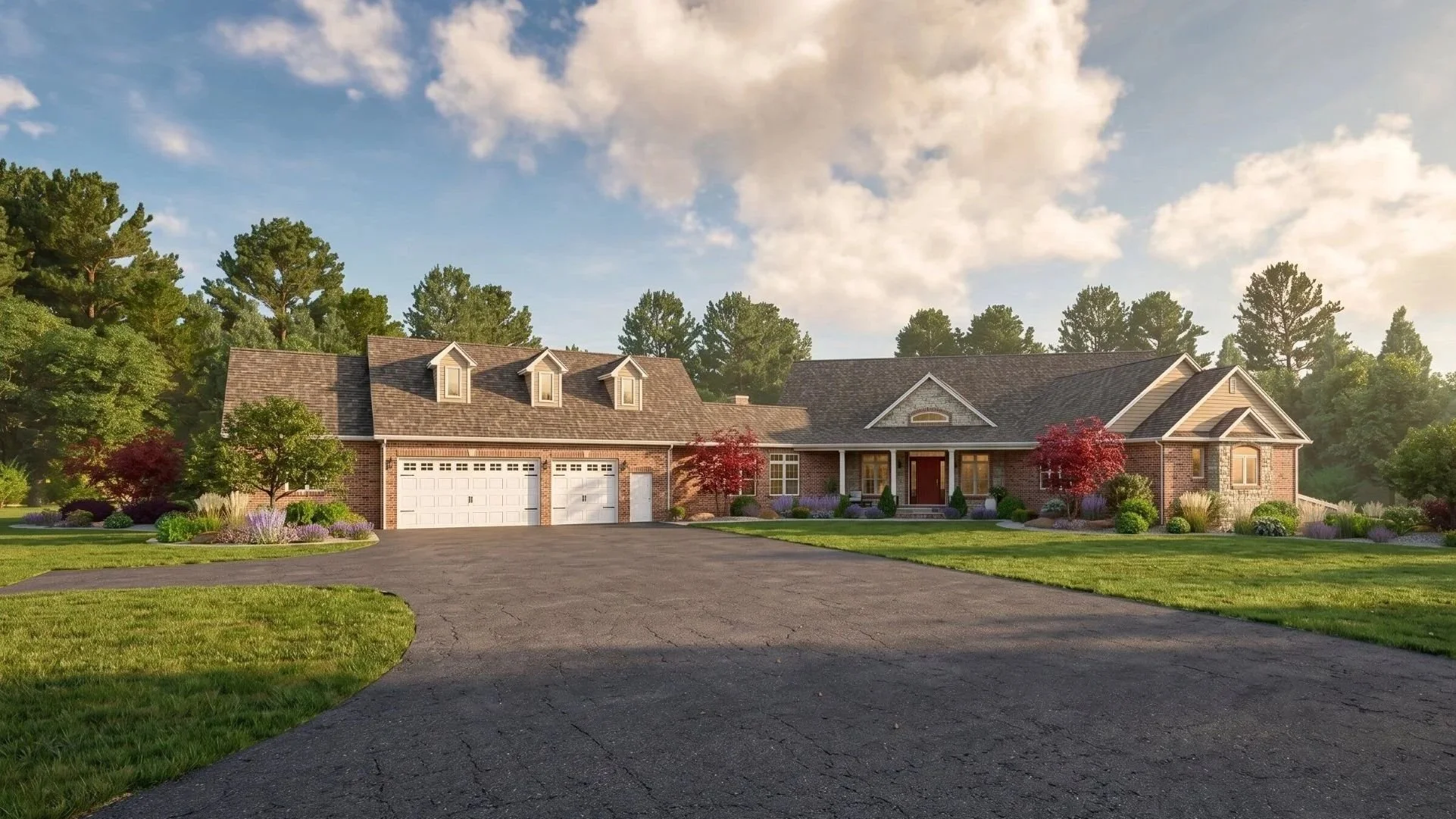
A Support Tool
Our perspective on AI integrations in the landscape design space , as of writing, is that it is a fantastic support tool. When used to complement the human ability, it can be a valuable tool that allows enhanced productivity and quality of work.
The Risk of Over-Reliance
The danger isn’t AI itself—it’s how people use it.
When AI is treated as a shortcut to skip design fundamentals, it leads to:
Designs that can’t be built
Misleading visuals that oversell reality
Contractors stuck figuring things out in the field
That ultimately hurts:
Project timelines
Profit margins
Client trust
And in a service-based industry like landscaping, trust is everything.
Our Approach at SCAPES
We take a very intentional stance on AI.
We use it—but in a controlled, limited way.
What We Do:
Build every design in detailed 3D models
Base layouts on real measurements, materials, and site conditions
Ensure designs are clear, sellable, and build-ready
Where AI Comes In:
Occasionally enhancing final renderings for realism
Polishing visuals to improve presentation quality
What We Don’t Do:
Generate designs from AI prompts
Rely on AI for layouts, materials, or construction planning
Replace real design thinking with automated outputs
In short:
AI supports our work—it doesn’t define it.
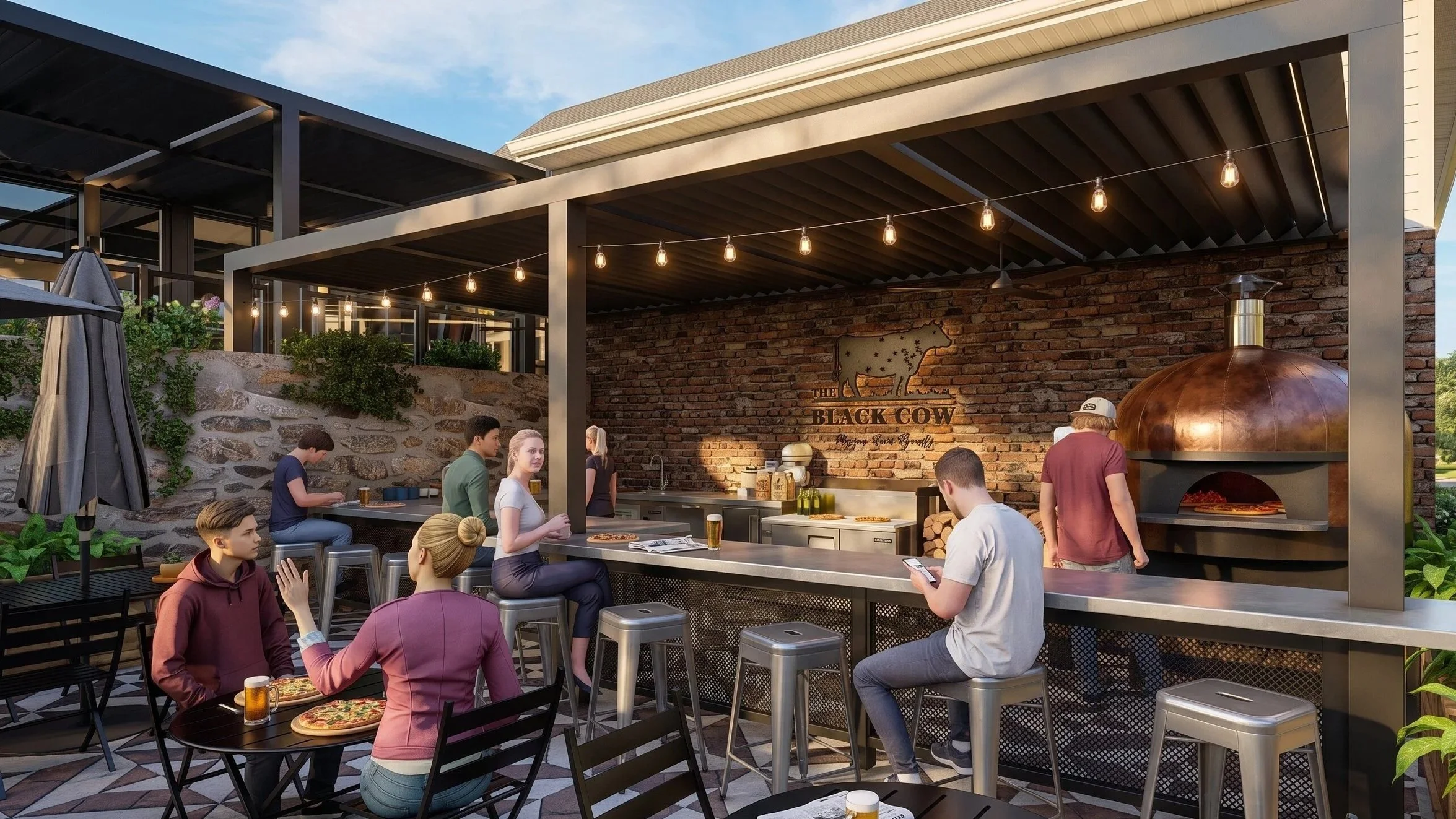

The Bottom Line
AI is a powerful tool—but it’s not a designer.
It can:
Inspire ideas
Enhance visuals
Improve efficiency in small ways
But it cannot:
Replace experience
Solve real-world design challenges
Deliver buildable, contractor-ready plans
The future of landscape design isn’t AI vs. humans—it’s about using AI intentionally without losing what actually makes a design successful.
Because at the end of the day, the projects that win—both on paper and in the field—are the ones that are thoughtfully designed, clearly communicated, and built to work in the real world.
Recap
AI in landscape design is:
Helpful for inspiration and visual enhancement
Limited when it comes to real design execution
Most effective when paired with experienced designers
And if the goal is to create designs that actually get built—not just admired on a screen—there’s still no substitute for doing it the right way.
About the Author
With a diverse background as an owner of both a landscape design/build business and landscape maintenance operation as well as a formal education in Landscape Design from Penn State, Kevin now spends his days helping SCAPES lead the charge in the internet landscape design space. The classic kid-mowing-lawns story turned into a passion for the landscape profession for Kevin, and you may even hear him tell you that landscaping is about all he is good for! Have a question about something you just read? Reach out to Kevin directly at kevin@scapesdesigns.com and he will undoubtedly prove how serious SCAPES is about delivering a delightfully personal experience.
