
7 Min. ReadOne of the most common questions we hear from contractors and landscape designers is:
"How much should I charge for a landscape design?"
Unfortunately, there isn't a one-size-fits-all answer.
Charge too little, and you're working countless hours for very little profit. Charge too much without properly communicating your value, and you risk losing projects to competitors.
The reality is that landscape design pricing should be strategic, profitable, and aligned with the value you provide to your clients.
In this guide, we'll break down:
The different ways landscape professionals price their designs
Typical price ranges in today's market
How to determine the right pricing structure for your business
Why undercharging is hurting your company
How to turn design into a profit center
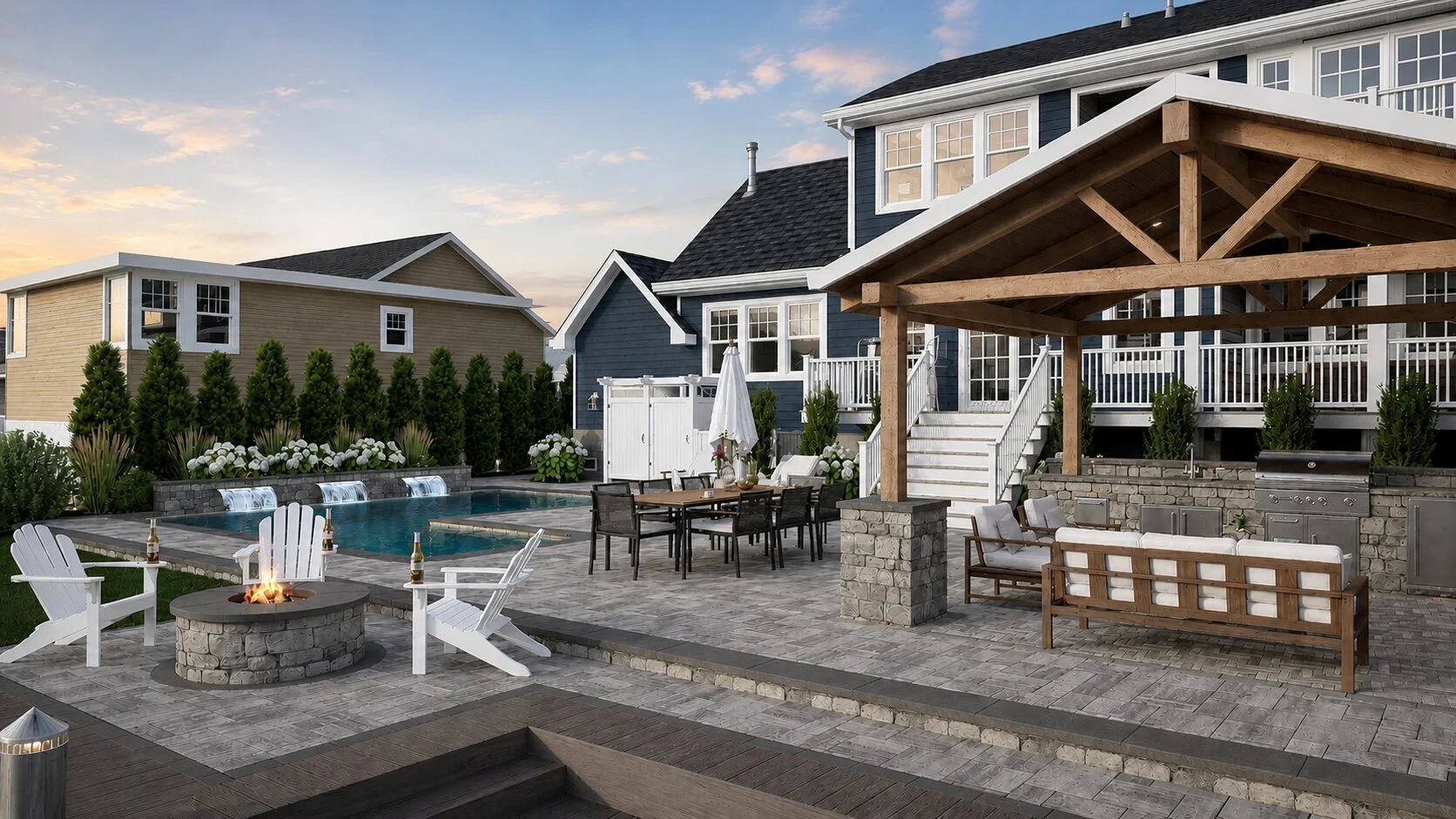
Why Charging for Landscape Designs Matters
For years, many contractors gave away designs for free.
The result?
Endless revisions
Low commitment from prospects
Poor project close rates
Thousands of dollars in unpaid labor
A professionally created landscape design is not simply a drawing.
It's:
Years of experience
Knowledge of construction methods
Material expertise
Spatial planning
Plant knowledge
Budget planning
Sales psychology
Your design is intellectual property that helps clients avoid expensive mistakes and gives them confidence moving forward.
That expertise deserves to be compensated. If you want to learn more about our perspective on this, check out our article about why charging for landscape designs is the biggest opportunity most landscape contractors are missing.
The Biggest Mistake Landscape Contractors Make
The biggest pricing mistake isn't charging too much.
It's charging too little.
Many contractors believe they need to keep design fees low to win projects. In reality, underpricing often attracts the wrong clients—those looking to collect ideas and shop your design around to competitors.
The most successful landscape companies understand that a professionally developed design is a valuable service, not a free sales tool.
Clients aren't paying for lines on a plan.
They're paying for:
Your experience
Your creativity
Your ability to solve problems
Your understanding of construction
Your ability to help them avoid expensive mistakes
When you position design as a valuable service, clients are far more likely to respect the process and commit to the project.
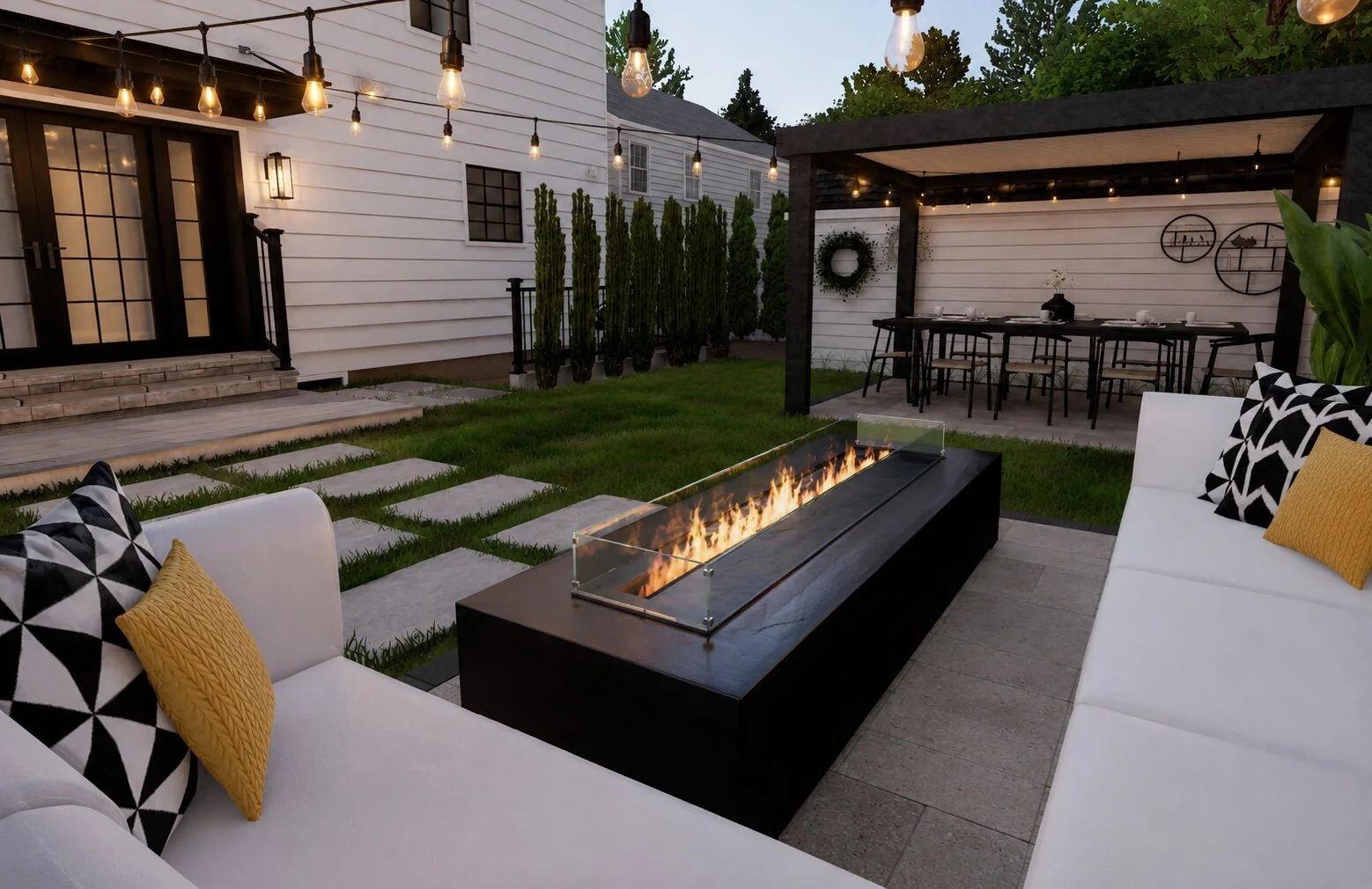
The Problem With Free Designs
When you give landscape designs away for free, the design often becomes nothing more than a sales tool to generate an estimate. It can be difficult to justify the time, attention, and collaboration required to create a truly exceptional plan when there is no financial commitment from the homeowner. Charging for design positions you as a professional, attracts more serious clients, and creates better projects from the very beginning.
The Four Most Common Landscape Design Pricing Models
There are a variety of ways to charge for landscape designs and some are better than others:
1. Flat Fee Pricing
This is the most popular model for residential landscape design.
Examples:
Front foundation planting plan: $500-$1,000
Backyard concept design: $1,000-$2,500
Full property master plan: $2,500-$10,000+
Pros:
Easy for clients to understand
Easier to sell
Predictable revenue
Easier to standardize
Cons:
Scope creep can hurt profitability if revisions aren't controlled.
This is our preferred and recommended pricing strategy.
2. Hourly Pricing
Some designers charge hourly rates instead of fixed pricing.
Industry averages typically range between:
$75-$250 per hour.
Pros:
Useful for consultations and revisions
Simple for unique or undefined projects
Cons:
Clients dislike uncertainty
Harder to sell
Difficult to scale
Can create pricing objections before the design process even begins
In general, we are not fans of this pricing model as it can create more barriers to getting a commitment from a homeowner then it is worth.
3. Percentage of Project Cost
Some design-build firms charge a percentage of the anticipated installation budget.
Typical ranges:
Residential projects: 10%-20%
Large commercial projects: 10%-15%
Example:
$75,000 landscape installation × 15%
= $11,250 design fee.
This works well when your designs are highly detailed and directly tied to construction. It is generally used by architect firms, but is becoming more popular in the landscape contracting world as some organizations elect to move away from traditional design/build and into design/manage.
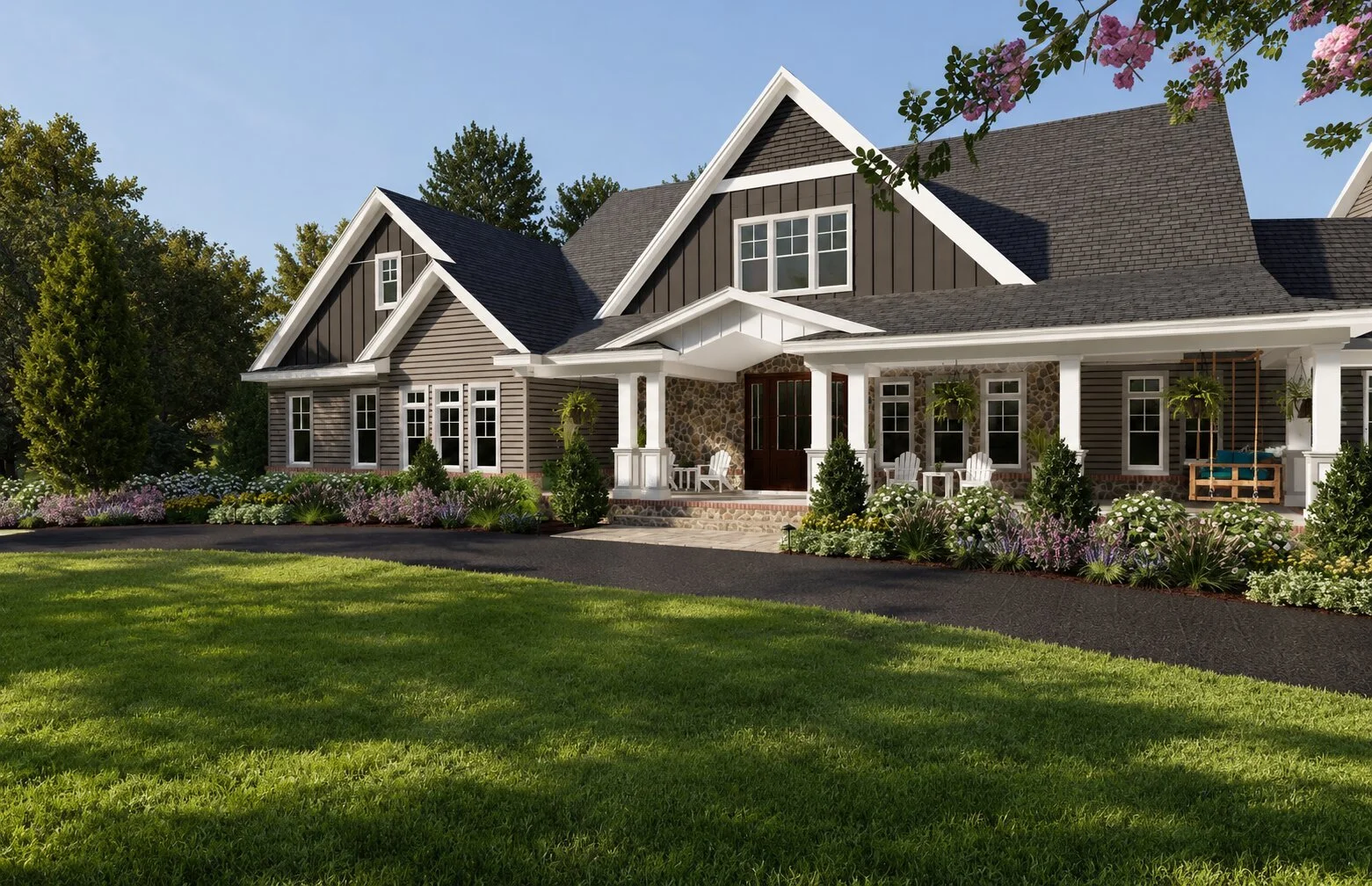
Building a More Profitable Business
Charging for landscape designs transforms design from an expense into a revenue-generating service. Instead of investing hours into unpaid proposals, you create an additional profit center while improving cash flow and increasing the value of every project you sell.
So…How Much Should You Actually Charge?
There is no universal pricing structure, but the following ranges work well for many landscape professionals.
Basic 2D Concept Plan
Includes:
Existing conditions
Simple layout
Planting suggestions
Recommended Pricing: $500-$1,500
Detailed 2D Construction Plan
Includes:
Materials
Dimensions
Plant schedule
Construction notes
Recommended Pricing: $1,500-$3,500
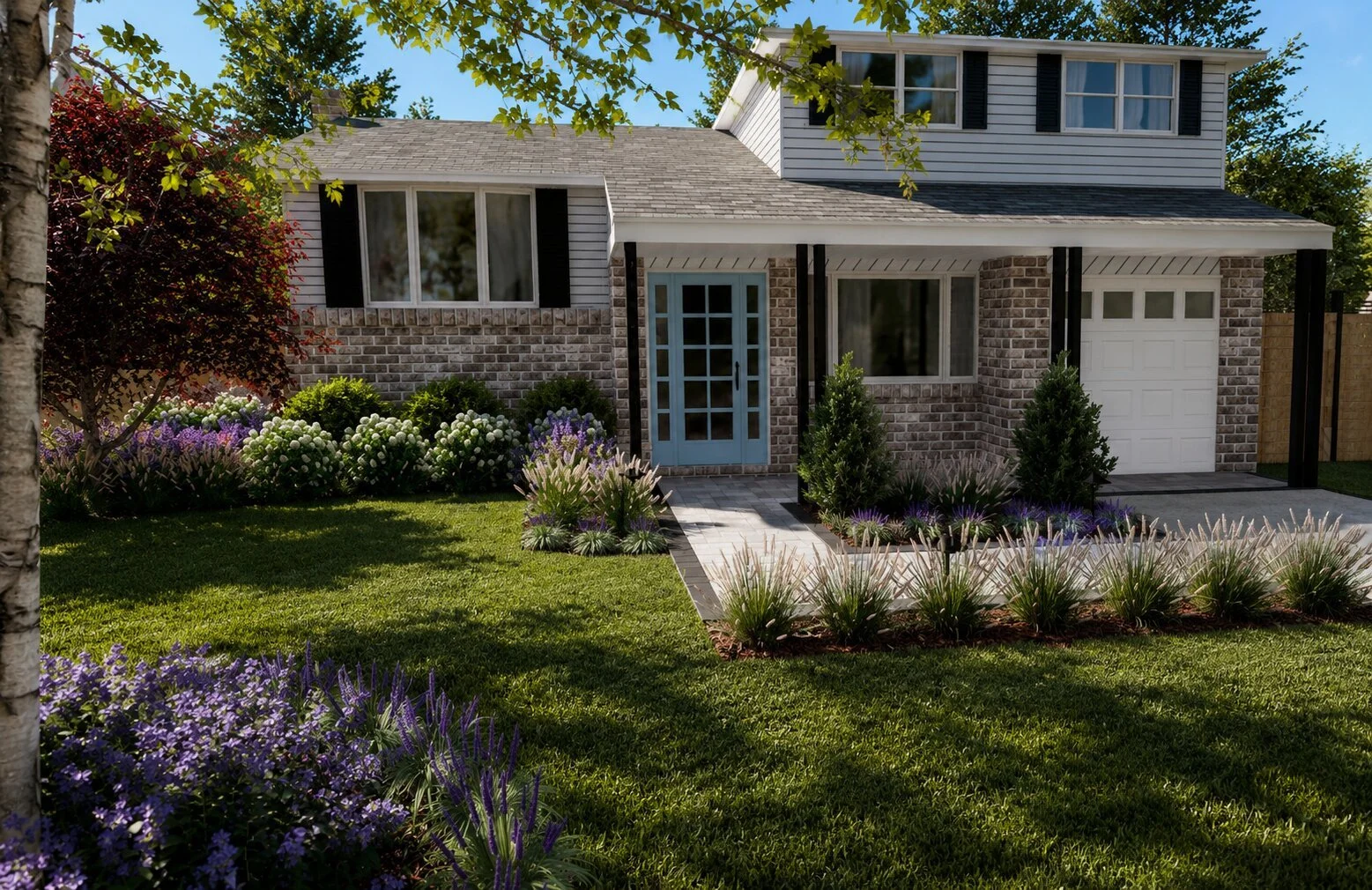
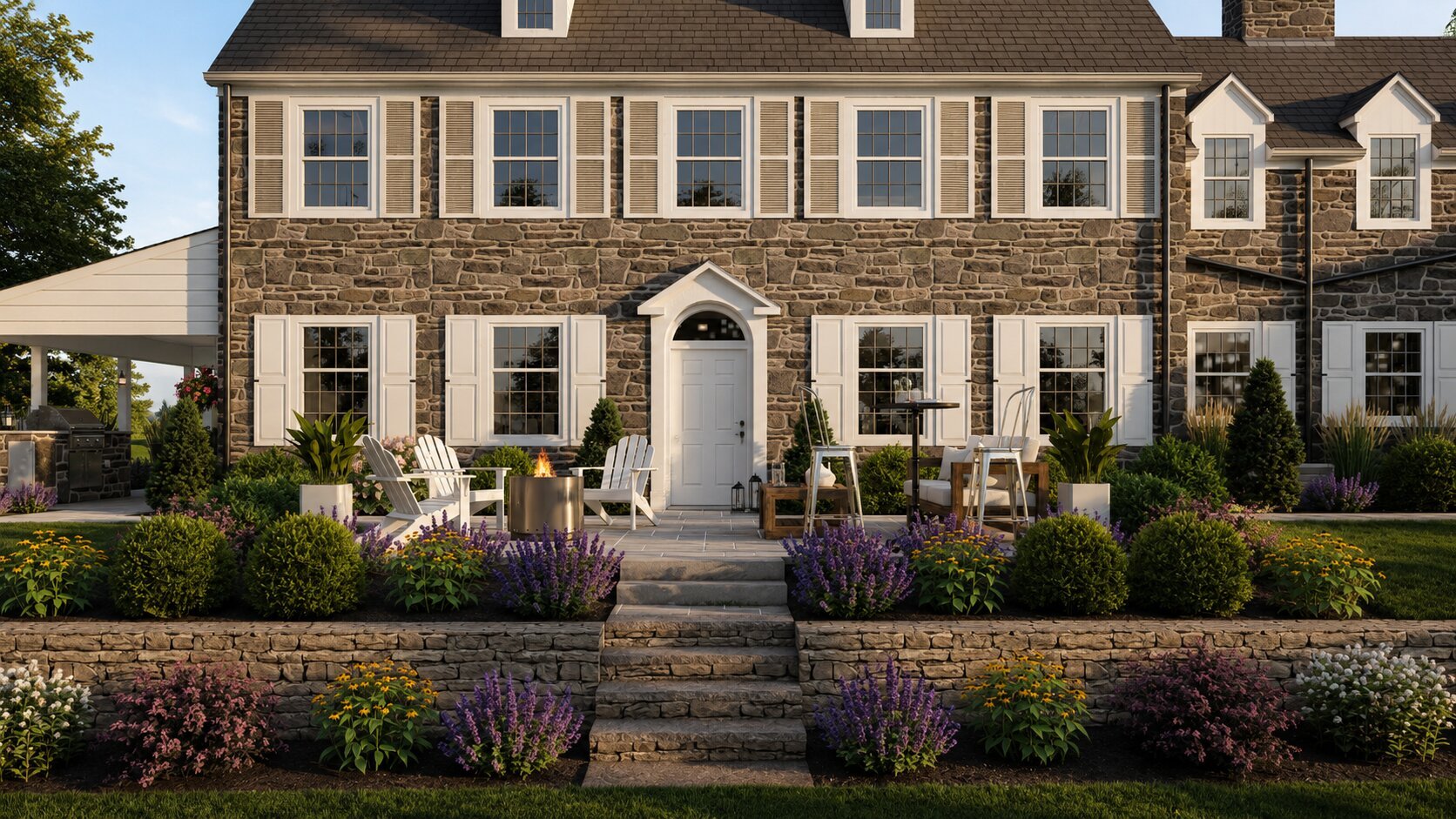
3D Renderings
Includes:
Photorealistic visuals
Multiple views
Lighting
Material selections
Recommended Pricing: $500-$5,000+
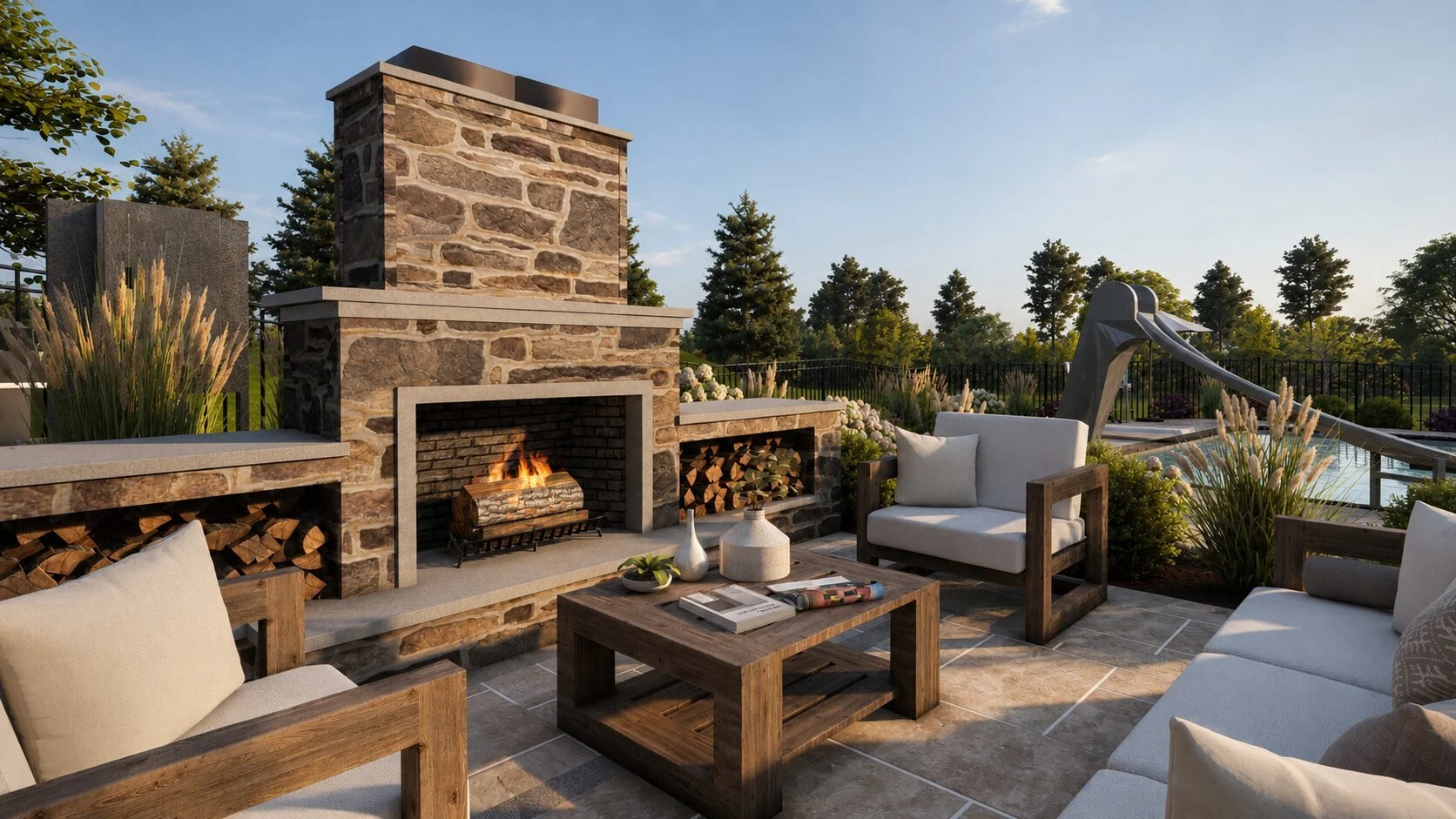
Complex 3D Outdoor Living Designs/Full Property Master Plan
Includes:
Multiple outdoor spaces
Phasing
Construction details
Planting plans
Lighting plans
Renderings
Recommended Pricing: $3,000-$10,000+
Should You Charge Separately for Revisions?
Revisions can be one of the trickiest elements of the landscape design process. They not only cost time, but they have shown in our extensive data to have a direct, negative correlation to close rates.
Unlimited revisions can quickly turn profitable projects into money-losing ones.
A better structure is:
Initial concept
Two revisions included
Additional revisions billed separately
This keeps projects moving, sets clear expectations, and protects the value of your time and expertise.
Should Design Fees Be Credited Back Toward Construction
There are several successful approaches.
Option 1: Fully Credit the Design Fee
Popular for:
Contractors focused heavily on sales conversion
Competitive residential markets
Pros:
Encourages commitment
Easier homeowner objection handling
Cons:
Design department may still operate as a cost center
Option 2: Partially Credit the Fee
Popular for:
Mid-to-high-end firms
Example:
$2,000 design fee
$1,000 credited toward construction
Pros:
Protects design value
Helps offset labor costs
Option 3: No Credit
Popular for:
Design-build firms with strong brand positioning
Luxury firms
Companies emphasizing intellectual property
Pros:
Highest perceived value
Strongest positioning
Most profitable
Cons:
Requires stronger branding and sales systems
There is no universally correct model.
The best system depends on your market and positioning.
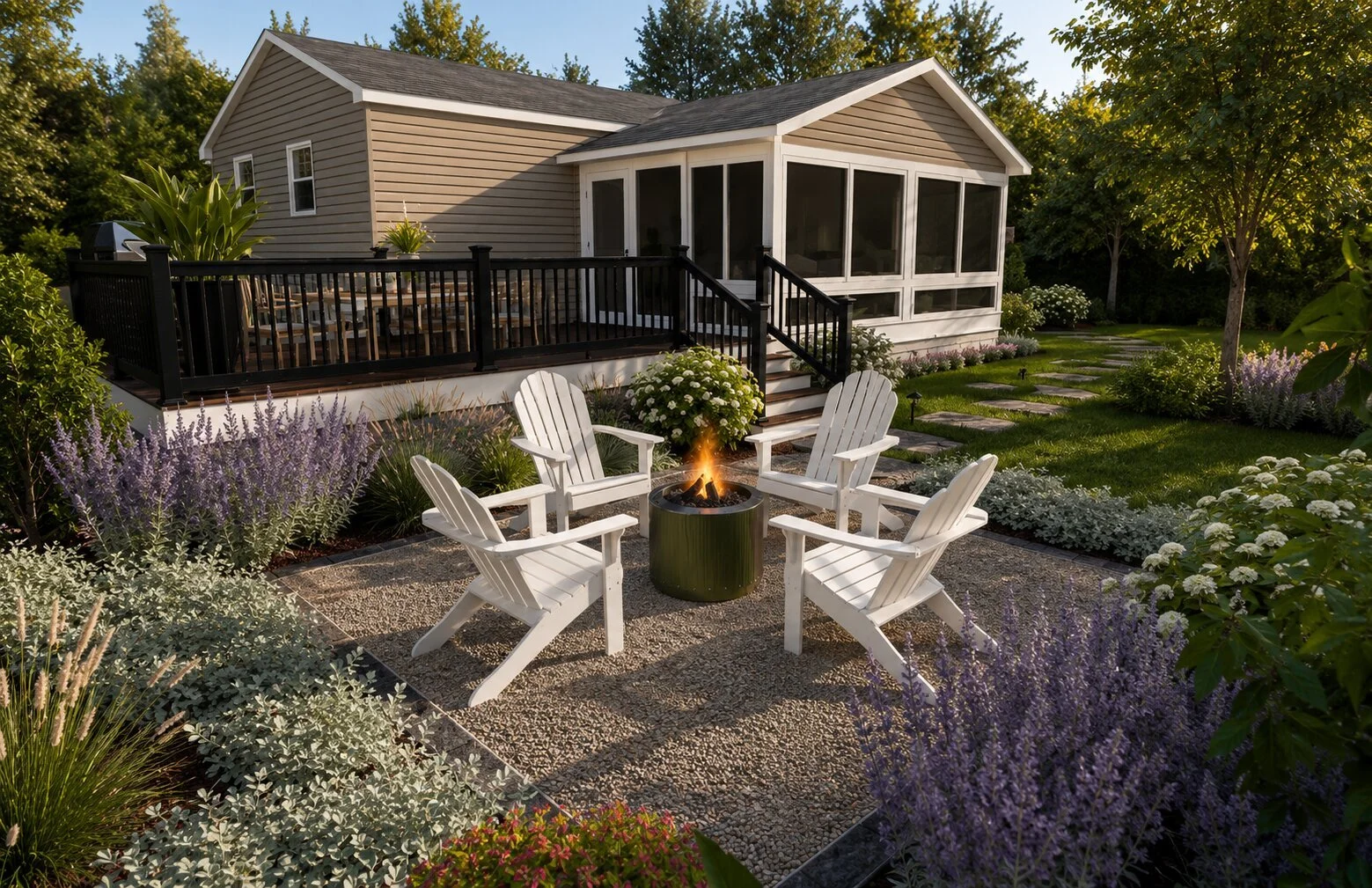
Turn Landscape Design Into a Profit Center
One of the biggest mindset shifts successful contractors make is realizing that landscape design doesn't have to be a cost of doing business—it can become its own profit center.
Many companies still view design as an expense or simply a step required to sell construction work. The most profitable firms think differently.
They treat design as its own service that generates revenue, qualifies leads, and increases project close rates.
A properly structured design program can:
Create an additional revenue stream
Offset sales and estimating costs
Filter out unqualified leads
Increase homeowner commitment
Improve project budgets
Differentiate your company from competitors still giving designs away
The best part?
Design revenue can be generated whether you create plans in-house or partner with an outside design team.
Many growing contractors choose to outsource their landscape designs because it allows them to offer professional plans and photorealistic renderings without hiring additional staff, investing in expensive software, or pulling valuable employees away from sales and operations.
When implemented correctly, landscape design can become one of the highest-margin services your company offers while simultaneously helping you sell more construction work.
What We Recommend
At SCAPES Pro, we've seen contractors dramatically improve profitability simply by treating design as its own valuable service.
The best pricing model is one that:
✔ Covers your costs
✔ Generates profit
✔ Reflects your expertise
✔ Filters out unqualified leads
✔ Creates commitment from homeowners
If you're still giving designs away for free, it may be time to rethink your approach.
Because great landscape design isn't an expense, it's one of the most valuable—and profitable—services your company can offer.
Recap
There isn't a single "correct" price for landscape design services. The right fee depends on your market, the complexity of the project, the level of detail you're providing, and the value your company brings to the table.
What's most important is having a pricing structure that allows your business to be profitable while positioning your company as a professional service provider—not just another contractor giving away ideas for free.
When priced correctly, landscape design can do far more than generate revenue. It can improve close rates, attract better clients, create stronger homeowner commitment, and become one of the most valuable services your company offers.
Bottom line: if you're still wondering how much to charge for landscape designs, start by recognizing that your expertise has real value. Charge accordingly, create a process that works for your business, and use design as a tool to build a more profitable and sustainable landscape company.
About the Author
With a diverse background as an owner of both a landscape design/build business and landscape maintenance operation as well as a formal education in Landscape Design from Penn State, Kevin now spends his days helping SCAPES lead the charge in the internet landscape design space. The classic kid-mowing-lawns story turned into a passion for the landscape profession for Kevin, and you may even hear him tell you that landscaping is about all he is good for! Have a question about something you just read? Reach out to Kevin directly at kevin@scapesdesigns.com and he will undoubtedly prove how serious SCAPES is about delivering a delightfully personal experience.
