
8 Min. ReadFor decades, much of the landscape industry has operated under the assumption that design work should be “free.”
Contractors spend hours meeting with homeowners, measuring properties, brainstorming ideas, building 3D renderings, revising concepts, and preparing detailed proposals—only to hand everything over before the client has made any meaningful commitment.
The result?
Low close rates. Endless tire-kickers. Scope creep. Burned-out sales teams. And thousands of dollars in unpaid labor disappearing every month.
But the most profitable landscape contractors are shifting away from free design models—and the companies making the transition are seeing dramatically higher close rates, better clients, larger projects, and stronger profit margins.
Charging for landscape designs is no longer just about covering design costs.
It’s one of the most effective sales strategies available to landscape contractors today.

The Real Problem With Free Landscape Designs
Most contractors think free designs help them “win more jobs.”
In reality, free designs often create the exact opposite effect.
When a homeowner receives a complete design package without making any financial commitment, several things happen:
The homeowner has no real investment in the process
The contractor assumes all the risk
The design becomes easy to shop around
The perceived value of the design decreases
The contractor loses control of the sales process
Worse yet, free design models unintentionally train homeowners to treat professional design services like a commodity instead of a professional consulting service.
No architect gives away plans for free.
No interior designer creates full concepts for free.
No engineer produces technical documents without compensation.
Yet many landscape contractors continue giving away one of the most valuable parts of the entire process.
Why Charging for Designs Increases Close Rates
This is the part many contractors misunderstand:
Charging for design work is not a barrier to sales.
It’s actually one of the strongest tools for improving sales conversion.
Here’s why.
1. The Homeowner Has Already Committed
The moment a homeowner signs a design agreement and pays a design fee, the relationship changes psychologically.
The project is no longer theoretical.
They’ve made a decision.
They’ve committed to moving forward with planning.
That commitment dramatically increases the likelihood that the homeowner continues through the construction phase.
Behavioral psychology consistently shows that people are more likely to continue moving forward after making an initial commitment—especially when money is involved.
A homeowner who pays for design services is no longer casually browsing ideas online.
They are actively investing in their project.
2. Trust Has Already Been Established
One of the biggest hurdles in any landscape sale is trust.
Homeowners are often preparing to spend tens or even hundreds of thousands of dollars on outdoor living projects. They want confidence that the contractor understands the vision, communicates professionally, and has a clear process.
A paid design process helps establish that trust early.
The homeowner sees:
Professional systems
Clear communication
Organized workflows
Defined expectations
Real expertise
Instead of feeling like a contractor is “trying to sell them something,” the relationship begins to feel more consultative and collaborative.
That shift alone can dramatically improve conversion rates.
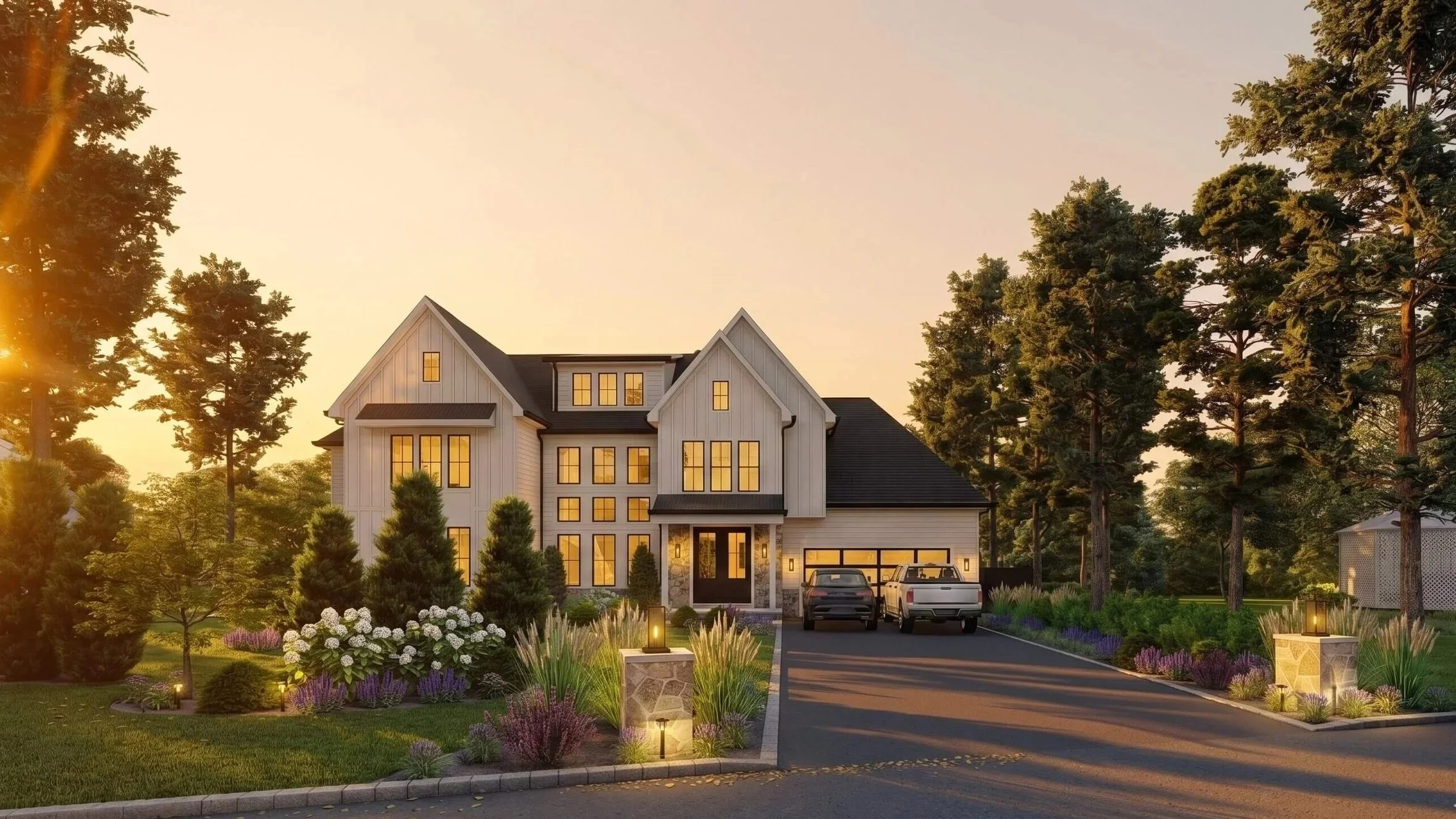
Establishing Trust
When homeowners sign a design agreement and invest financially into the planning phase, trust is established earlier, commitment increases, and the contractor gains significantly more control over the sales process. Instead of competing against endless free proposals, contractors position themselves as professionals delivering a structured, high-value experience.
3. A Monetary Transaction Has Already Occurred
This is one of the most overlooked sales advantages in the entire industry.
By the time the construction proposal is presented:
The homeowner has already signed something
The homeowner has already paid something
The homeowner already views the contractor as part of the project team
That matters.
The first transaction is always the hardest transaction.
Once someone has already purchased from your company—even at a smaller amount—the likelihood of moving into a larger project increases substantially.
This is why many of the most successful landscape companies view design fees not as profit centers, but as client acquisition and conversion tools.
4. Paid Designs Eliminate Tire-Kickers
Every contractor knows the feeling:
Multiple site visits
Long meetings
Several revisions
Full proposals created
Then complete silence
Free design models attract shoppers.
Paid design models attract buyers.
When homeowners are unwilling to invest even a modest amount into the planning phase, it often indicates:
They are not serious
They are price shopping
They are not financially prepared
They are gathering ideas without intent to move forward
A design agreement acts as one of the best pre-qualification filters available.
It helps contractors focus time and energy on clients who are actually prepared to move forward.
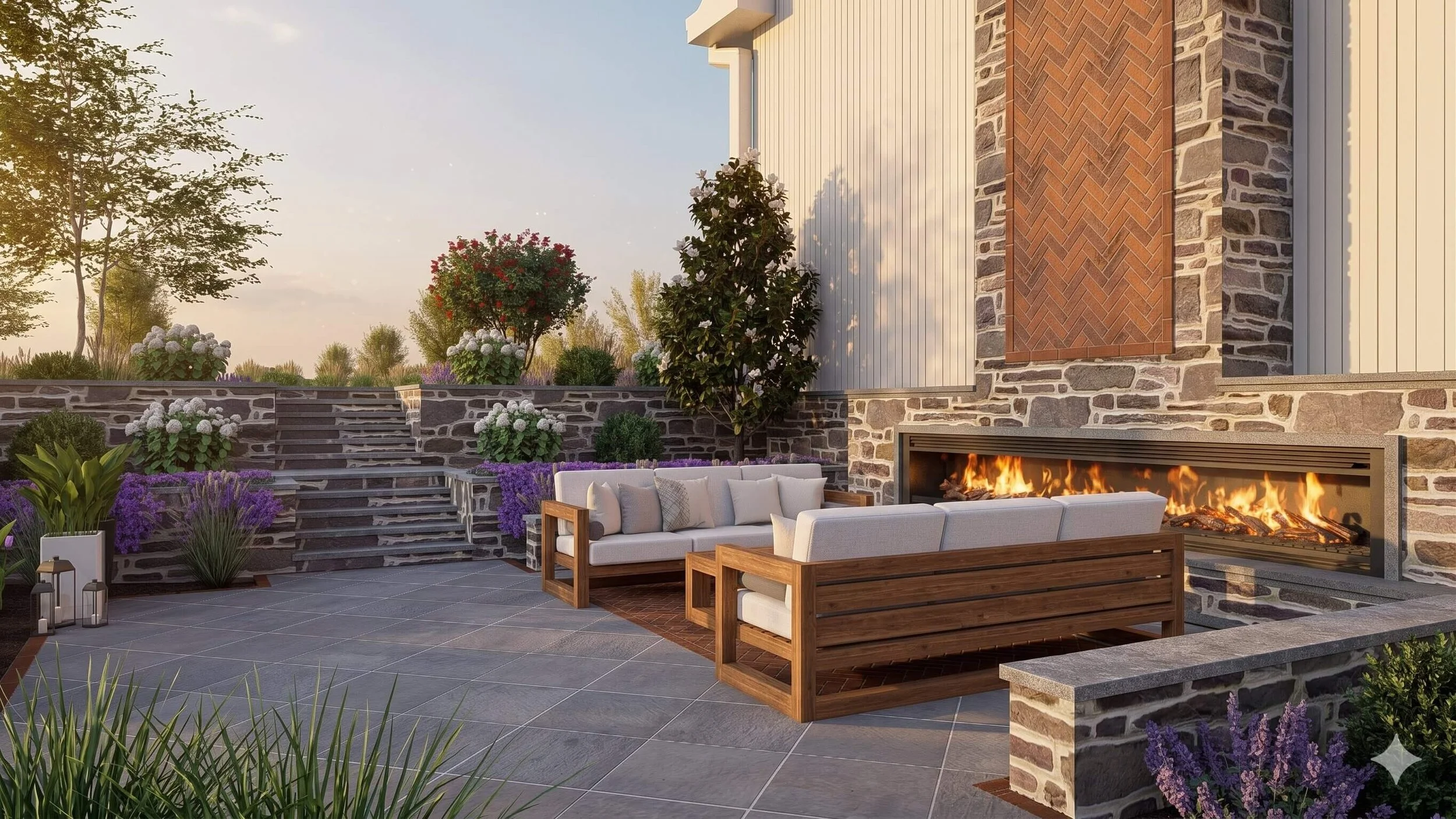
Work Smarter
Charging for designs forces a change in mindset as a business owner - you provide something of value and you know what that value is worth. Close rates skyrocket. All while doing less work.
The Financial Impact of Charging for Designs
Let’s look at a simple example.
Imagine a contractor currently:
Completes 12 free designs per month
Spends an average of 8 hours per design
Closes 25% of projects
That means:
96 hours of design labor monthly
9 out of 12 projects never move forward
Massive unpaid overhead
Now imagine the same contractor:
Charges for design work
Completes only 6 qualified designs monthly
Closes 70–80% of projects
Saves 48 hours of time every month
1 extra project sold per month
Suddenly:
Fewer wasted hours
Higher average project quality
Better client relationships
Stronger margins
More predictable sales pipeline
In many cases, contractors actually produce MORE revenue while completing fewer total designs.
That’s operational efficiency.
How Much Landscape Contractors Should Charge for Designs
This is where many contractors struggle.
The reality is there is no universal number.
Design pricing should reflect:
Project size
Design complexity
Deliverable quality
Market positioning
Geographic region
Experience level
Whether 3D renderings are included
However, here are some practical starting ranges many successful contractors use:
Entry-Level Concept Designs
Typically:
Small patios
Planting layouts
Simple concepts
Basic 2D plans
Suggested Range:
$500–$750
Mid-Level Outdoor Living Designs
Typically:
Patios
Fire features
Kitchens
Lighting
Planting
Moderate 3D visualization
Suggested Range:
$1,000–$3,500
High-End Luxury Master Plans
Typically:
Pools
Large estates
Phased development
Full-property transformations
Advanced rendering packages
Construction documentation
Suggested Range:
$5,000+
The biggest mistake contractors make is underpricing design work because they fear losing projects.
Ironically, underpricing often lowers perceived value and attracts less qualified clients.
Higher-quality homeowners generally expect professional planning fees.
Should Design Fees Be Credited Back Toward Construction
There are several successful approaches.
Option 1: Fully Credit the Design Fee
Popular for:
Contractors focused heavily on sales conversion
Competitive residential markets
Pros:
Encourages commitment
Easier homeowner objection handling
Cons:
Design department may still operate as a cost center
Option 2: Partially Credit the Fee
Popular for:
Mid-to-high-end firms
Example:
$2,000 design fee
$1,000 credited toward construction
Pros:
Protects design value
Helps offset labor costs
Option 3: No Credit
Popular for:
Design-build firms with strong brand positioning
Luxury firms
Companies emphasizing intellectual property
Pros:
Highest perceived value
Strongest positioning
Most profitable
Cons:
Requires stronger branding and sales systems
There is no universally correct model.
The best system depends on your market and positioning.
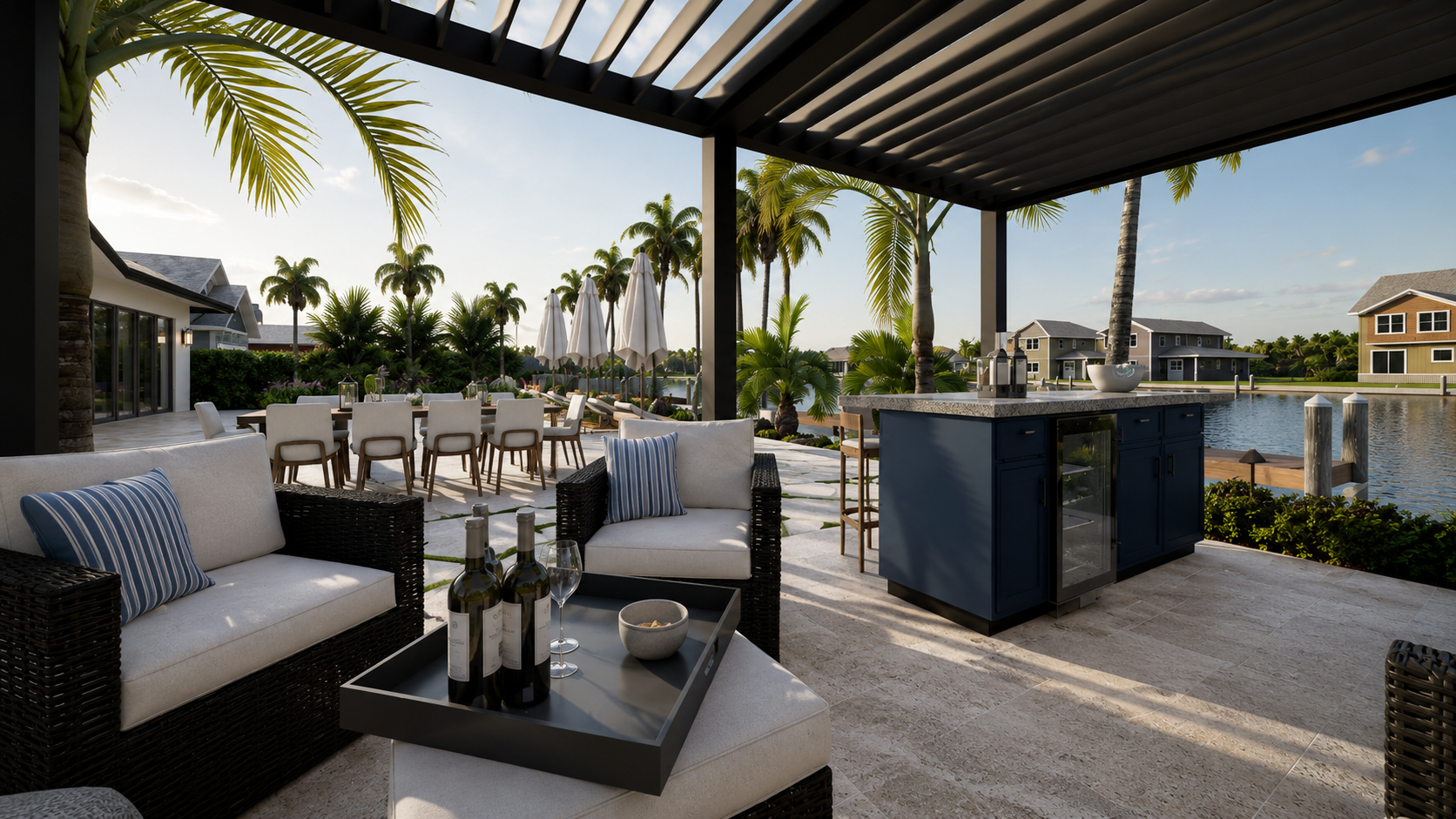
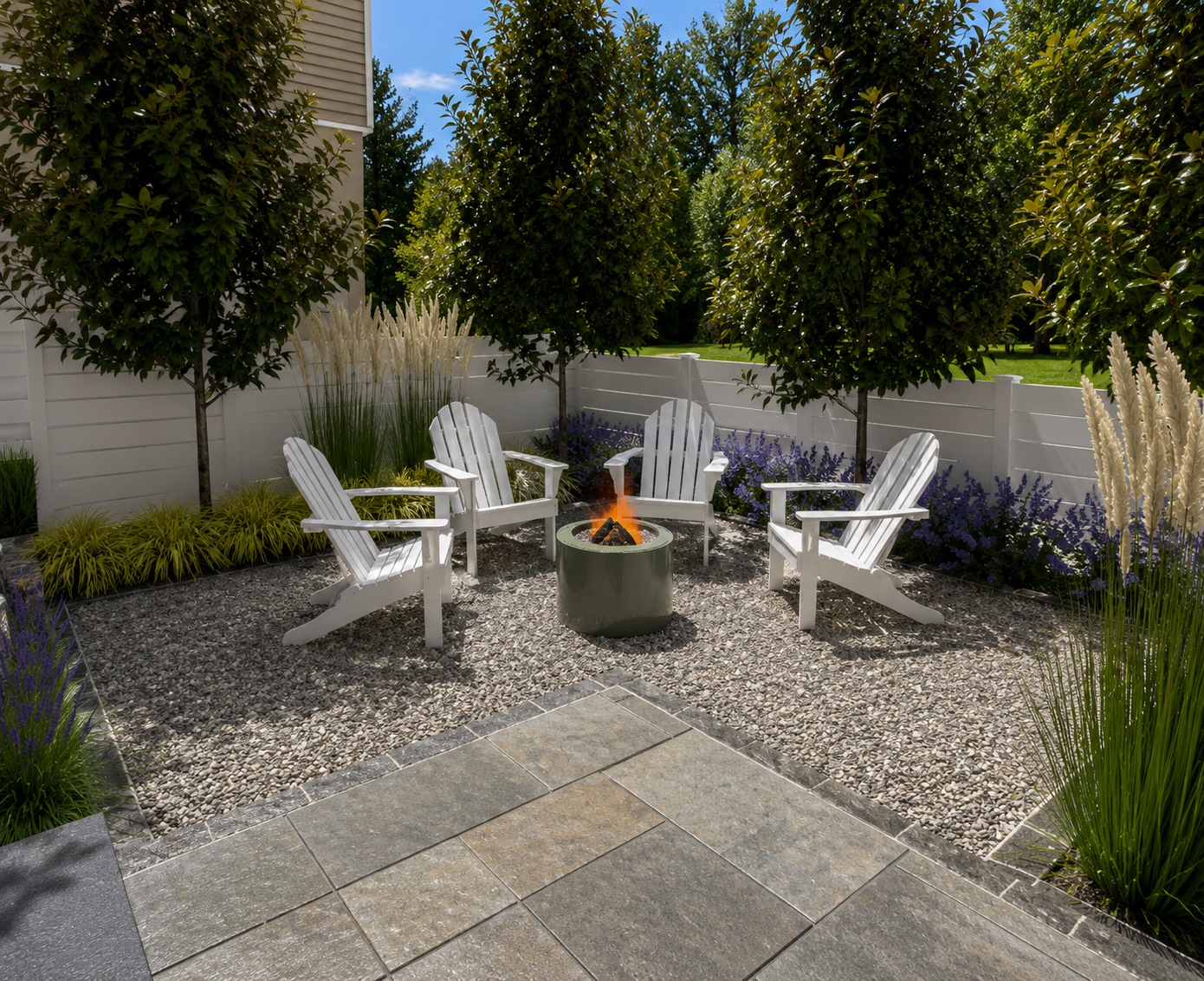
Design Agreements Are More Than Contracts
Many contractors think design agreements are simply paperwork.
In reality, they are powerful positioning tools.
A good design agreement:
Sets expectations
Defines scope
Establishes timelines
Clarifies revision limits
Protects intellectual property
Filters out unqualified leads
Reinforces professionalism
Most importantly, it communicates that your company operates differently from contractors still giving away free work.
Professional companies have professional processes.
Homeowners notice that.
The Biggest Fear Contractors Have About Charging for Designs
Most contractors worry about one thing:
“What if homeowners say no?”
Here’s the truth:
Some will.
But those homeowners were often unlikely to become profitable clients anyway.
The goal is not to maximize the number of consultations.
The goal is to maximize the number of profitable projects.
Those are very different things.
Contractors who transition to paid design models often discover:
Higher-quality leads
Larger project sizes
Better communication
Less ghosting
Faster decision-making
Higher average close rates
The companies growing fastest in today’s market are not the ones giving away the most work.
They’re the ones creating the clearest process and the strongest perceived value.
Recap
Landscape contractors often spend enormous amounts of time trying to improve lead generation when the bigger opportunity may already exist inside their current sales process.
Charging for design work changes the psychology of the entire client relationship.
It transforms homeowners from casual shoppers into committed participants. It creates trust earlier. It filters out low-quality leads. It increases perceived professionalism.
And most importantly—it significantly improves the likelihood that the homeowner moves forward with construction.
The companies dominating the next era of the landscape industry will not simply be the ones with the best craftsmanship.
They will be the companies with the best systems, the clearest processes, and the strongest ability to communicate value before construction ever begins.
About the Author
With a diverse background as an owner of both a landscape design/build business and landscape maintenance operation as well as a formal education in Landscape Design from Penn State, Kevin now spends his days helping SCAPES lead the charge in the internet landscape design space. The classic kid-mowing-lawns story turned into a passion for the landscape profession for Kevin, and you may even hear him tell you that landscaping is about all he is good for! Have a question about something you just read? Reach out to Kevin directly at kevin@scapesdesigns.com and he will undoubtedly prove how serious SCAPES is about delivering a delightfully personal experience.
